


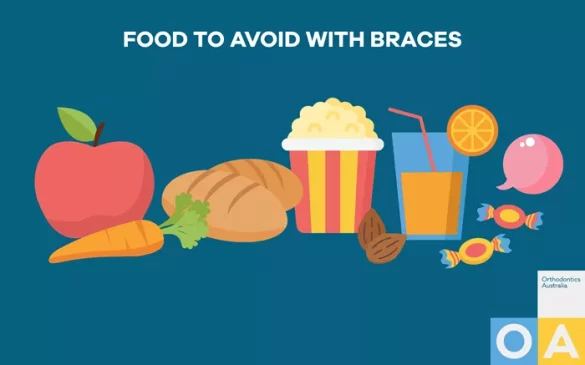
Wearing braces is a vital step toward achieving straight, healthy teeth and a confident smile. However, maintaining braces goes beyond regular visits to your orthodontist. Your daily diet plays a significant role in the success of your treatment. Certain foods can damage brackets and wires or increase the risk of gum disease, sensitive teeth, and tooth decay. In this article, we will discuss 10 foods that should be avoided during orthodontic treatment, offering clear, evidence-based explanations to help you care for your braces and oral health.
10 Foods to Avoid When Wearing Braces
1. Sticky Candies and Caramel
Sticky candies like caramel, toffee, and taffy may seem irresistible, but they are one of the worst choices when you have braces. These sweets easily cling to brackets and wires, increasing the risk of breakage. Furthermore, sugary residues can settle around the braces, promoting plaque buildup and gum disease. When sugar sits on your teeth for prolonged periods, it feeds harmful bacteria, leading to enamel erosion and cavities. For individuals with sensitive teeth, these sugary items can intensify discomfort and trigger pain. Choosing sugar-free gum or skipping sticky treats altogether is a safer approach for maintaining dental health while wearing braces.
2. Hard Nuts and Seeds
Although nuts are packed with nutrients, their hard texture makes them problematic for orthodontic patients. Biting into almonds, hazelnuts, or pumpkin seeds can cause brackets to snap off or wires to bend. This not only delays your treatment but also incurs additional costs and discomfort. Additionally, small particles from nuts can get lodged between brackets, making them difficult to clean and increasing the chance of gum inflammation. Patients with sensitive teeth may also experience pain or tenderness from the pressure exerted while chewing hard nuts. Instead, opt for nut butters or softer options like crushed or sliced almonds that can be incorporated into other foods safely.
3. Crunchy Raw Vegetables
Raw vegetables such as carrots, celery, and broccoli are excellent for overall health, but their firm texture can pose a risk for people with braces. Biting into hard veggies can lead to broken wires or dislodged brackets. While we do not recommend eliminating vegetables entirely, they should be cooked or steamed to make them softer and easier to chew. Soft vegetables are just as nutritious and less likely to damage orthodontic appliances. Additionally, consuming veggies in a safe form helps reduce the risk of tooth sensitivity and supports the prevention of gum disease.
4. Popcorn
Popcorn is a classic snack at movies and gatherings, but it can be hazardous for braces. The shells and unpopped kernels can become trapped between wires and brackets. This not only creates discomfort but also raises the risk of gum irritation and infection. In severe cases, hard kernels can break your braces. Also, poorly cleaned popcorn particles can contribute to plaque accumulation, leading to gum disease and tooth decay. Until your braces are removed, it’s best to avoid popcorn altogether or replace it with softer alternatives like puffed corn snacks.
5. Chewy Bread and Bagels
Thick and chewy bread like bagels, French bread, or pizza crusts require substantial force to bite and chew, which can put strain on your braces. This tension might cause wires to bend or brackets to come loose. In addition, chewy textures can stick to orthodontic appliances, making it hard to remove food debris even with meticulous brushing. Leftover particles serve as a breeding ground for bacteria, heightening the chance of sensitive teeth, plaque formation, and gum inflammation. For safety, choose softer bread options or cut tough bread into small, manageable pieces before consuming.
6. Hard Candy
Hard candies such as lollipops, peppermints, or jawbreakers should be completely avoided while wearing braces. These items are notorious for breaking orthodontic hardware. Even if you resist the urge to bite down, the candy’s prolonged exposure to your teeth creates an acidic environment that promotes tooth enamel erosion. When enamel is weakened, it contributes to sensitive teeth and increases susceptibility to cavities. Moreover, hard candies often contain high amounts of sugar, which promotes bacterial growth and the onset of gum disease. Instead of hard candies, choose sugar-free lozenges or fresh fruit slices for a sweet fix that won’t compromise your braces.
7. Ice
Chewing on ice cubes might seem harmless, but it’s one of the most common causes of broken braces. Ice is extremely hard and can snap wires or detach brackets. Even sucking on ice can be harmful, especially for those with sensitive teeth, as it may cause sharp pain due to the cold temperature and sudden thermal changes. Also, chewing on ice encourages bad habits that could continue even after braces are removed. It’s better to avoid ice altogether or consume beverages without ice to eliminate the temptation.
8. Corn on the Cob
Corn is healthy and delicious, but eating it straight from the cob can be risky for orthodontic patients. Biting into the cob can damage braces and loosen brackets. Corn kernels also tend to get stuck between braces, increasing the risk of bacterial growth and potential gum infection. Fortunately, you can still enjoy corn by removing the kernels from the cob before eating. This way, you retain the flavor and nutrition without jeopardizing your orthodontic hardware or causing irritation to already sensitive gums.
9. Sugary Drinks
Sugary drinks like sodas, energy drinks, and sweetened teas may seem harmless when consumed with a straw, but they are highly detrimental to dental health, especially with braces. These drinks coat the teeth with sugar and acid, which can seep under brackets and cause white spots on the enamel. Over time, this leads to permanent staining, sensitive teeth, and gum disease. Even sports drinks and flavored waters often contain hidden sugars and acids. Water and milk are better beverage choices for those with braces. If sugary drinks are consumed, rinse your mouth with water afterward and brush as soon as possible.
10. Chips and Crunchy Snacks
Chips, pretzels, and similar crunchy snacks are another category of food that can compromise the integrity of your braces.
These snacks can fracture wires and make orthodontic appliances less effective. Small pieces often lodge between teeth and brackets, making it difficult to clean and increasing the likelihood of plaque buildup and gum disease. Additionally, chips are often salty, which can dry out the mouth and reduce saliva flow—saliva being essential for neutralizing acid and washing away bacteria. If you’re craving something crunchy, try baked veggie chips or softer alternatives that are less damaging to your teeth and braces.
Additional Tips for Braces Wearers
In addition to avoiding harmful foods, there are several practices that can help maintain good oral health during orthodontic treatment:
Brush and floss after every meal to remove trapped food particles.
Use an orthodontic toothbrush or electric toothbrush for effective cleaning.
Rinse with a fluoride mouthwash to strengthen enamel and reduce sensitivity.
Visit your dentist and orthodontist regularly for checkups and cleanings.
Inform your dental provider if you experience sensitive teeth, bleeding gums, or persistent pain.
Conclusion
Wearing braces requires not just physical adjustments but also mindful dietary choices. The foods you consume can either support or hinder your orthodontic progress. By avoiding sticky, hard, and sugary foods, you minimize the risk of damage to your braces and reduce your chances of developing sensitive teeth, cavities, and gum disease. With the right precautions, you can maintain excellent oral hygiene and look forward to a beautiful, straight smile at the end of your treatment.