


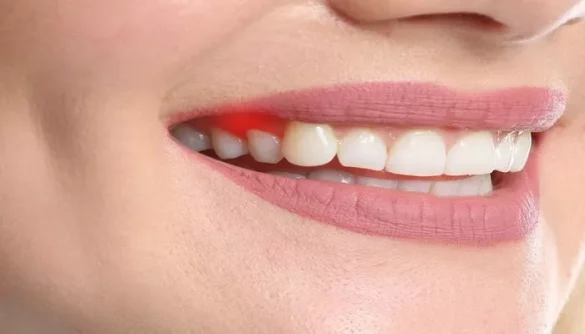
Swollen gums behind your molars can be painful, irritating, and concerning. This condition can stem from various dental health issues. Knowing the cause is essential for seeking the right treatment. Gum inflammation in this area can affect eating, brushing, and even speaking. It may also be a sign of an underlying dental condition that needs attention. This article outlines the four primary reasons why gums behind the molars become swollen and what you can do to manage and prevent it.
Reason 1: Pericoronitis Around a Wisdom Tooth
What Is Pericoronitis?
Pericoronitis is a common cause of gum swelling behind molars. It usually affects individuals whose wisdom teeth are partially erupted. When the gum flap over a partially erupted molar traps food or bacteria, it becomes inflamed and infected. This results in painful, swollen tissue around the back molars, especially the lower third molars.
Symptoms of Pericoronitis
- Swelling behind the last molar
- Pain when chewing or biting down
- Bad breath or a foul taste
- Difficulty opening the mouth
- Swollen lymph nodes in the neck
How to Treat It
Mild cases may be treated with saline rinses, over-the-counter pain relievers, and improved oral hygiene. More severe cases may require antibiotics or removal of the gum flap or wisdom tooth.
Reason 2: Gum Disease (Gingivitis or Periodontitis)
How Gum Disease Affects Back Molars
Gum disease is a progressive infection of the gum tissue caused by plaque and tartar buildup. Molars are more difficult to clean due to their position in the mouth. If oral hygiene is lacking, bacteria accumulate and lead to gum inflammation behind molars.
Signs of Gum Disease
- Swollen, tender, or bleeding gums
- Persistent bad breath
- Receding gums around molars
- Loose teeth or tooth loss in severe cases
Prevention and Treatment
Brushing twice a day, flossing, and professional cleanings are vital. In early stages (gingivitis), improved oral care can reverse the condition. In more advanced stages (periodontitis), deep cleaning or periodontal therapy is required. If left untreated, gum disease can lead to tooth and bone loss, and increase the risk of Sensitive Teeth.
Reason 3: Food Impaction Between Molars
Why Food Gets Stuck
Food particles often get trapped between molars, especially if there’s a space due to a missing tooth, a damaged filling, or gum recession. When food remains lodged in the area, it irritates the gums and leads to swelling and pain.
Signs of Food Impaction
- Localized swelling near the back teeth
- Bleeding when flossing or brushing
- Soreness or pressure between teeth
- Temporary Sensitive Teeth
Solutions and Prevention
Removing trapped food quickly using dental floss or a water flosser can prevent swelling. Dental checkups help identify areas prone to food impaction and allow for restoration or adjustment of dental work.
Reason 4: Trauma or Injury to Gum Tissue
How Gum Trauma Occurs
Accidental injuries, aggressive brushing, or hard foods can traumatize the gums behind molars. This damage results in inflammation, pain, and even infection if bacteria invade the injured tissue.
Common Causes of Trauma
- Brushing with a hard-bristled toothbrush
- Using toothpicks incorrectly
- Eating hard or crunchy foods
- Injury from dental appliances or restorations
Healing and Management
Use a soft-bristled toothbrush and avoid irritating foods. Saltwater rinses and oral gels can reduce inflammation and pain. If symptoms persist, consult a dentist to check for deeper injuries or infections.
How to Prevent Gum Swelling Behind Molars
Maintain Excellent Oral Hygiene
Brush thoroughly with fluoride toothpaste and a soft-bristled brush. Clean behind molars using dental floss or interdental brushes. Good oral hygiene prevents plaque buildup and reduces the risk of gum disease.
Visit Your Dentist Regularly
Routine cleanings and exams help catch problems early. Your dentist can identify signs of pericoronitis, gum disease, or poor dental work that could cause food impaction or trauma.
Use Gentle Oral Care Techniques
Avoid aggressive brushing. Use circular motions and hold your brush at a 45-degree angle to your gums. Gentle flossing is also crucial, especially around tight molars.
Stay Hydrated and Eat a Balanced Diet
Dry mouth can increase bacterial growth, leading to gum inflammation. Drink water regularly and consume foods rich in vitamins C and D, which support gum health.
When to See a Dentist Immediately
Signs You Shouldn’t Ignore
- Swelling that lasts longer than a few days
- Fever or pus around the swollen area
- Difficulty swallowing or breathing
- Severe pain in the jaw or gums
These signs may indicate a serious infection or abscess that needs urgent dental treatment. Delaying care could lead to complications or spread of the infection.
The Link Between Gum Health and Overall Health
Healthy gums contribute to your overall well-being. Research links chronic gum inflammation to conditions like diabetes, heart disease, and stroke. If swelling behind your molars is persistent, addressing it not only preserves your dental health but also helps protect your body from systemic issues.
Conclusion
Swollen gums behind the molars are not just a minor discomfort—they often point to underlying problems like Sensitive Teeth, food impaction, trauma, or gum disease. Understanding the root cause empowers you to take proactive steps.
Whether it’s improving your dental hygiene, seeing a dentist for treatment, or adopting preventive habits, early action can help you restore gum health and avoid more serious issues. Regular care and attention to symptoms are essential for maintaining strong, pain-free gums and molars.