


For many people facing tooth loss, dentures have long been the traditional solution. However, dentures come with some common drawbacks such as discomfort, issues with chewing, and problems related to sensitive teeth and gum disease. Fortunately, modern dental care offers several advanced options that can provide a better quality of life. This article explores five alternatives to dentures that are more comfortable, durable, and beneficial for oral health.
Why Look Beyond Dentures?
Dentures are removable dental appliances that replace missing teeth. While they can restore basic function and appearance, they often cause issues such as gum irritation, difficulty eating certain foods, and increased risk of infections. For people with sensitive teeth or existing gum disease, dentures can aggravate discomfort. Moreover, dentures may slip or cause speech problems.
5 Better Options Than Dentures You Must Know
Option 1: Dental Implants
What Are Dental Implants?
Dental implants are titanium posts surgically placed into the jawbone. These act as artificial tooth roots and provide a stable base for crowns, bridges, or implant-supported dentures. Because implants fuse with bone through osseointegration, they offer superior stability.
Benefits of Dental Implants
Long-lasting solution: Implants can last decades with proper care.
Bone preservation: They prevent bone loss, which often occurs with missing teeth.
Improved chewing: Implants restore biting force better than dentures.
Protect sensitive teeth: Since implants do not rely on adjacent teeth for support, they reduce stress on natural teeth that might be sensitive or vulnerable to gum disease.
Comfort and confidence: Implants feel natural and do not slip.
Considerations
Dental implants require a healthy jawbone and good overall health. The procedure involves surgery and healing time but is generally well-tolerated. People with uncontrolled gum disease may need treatment before implants.
Option 2: Fixed Dental Bridges
Understanding Fixed Bridges
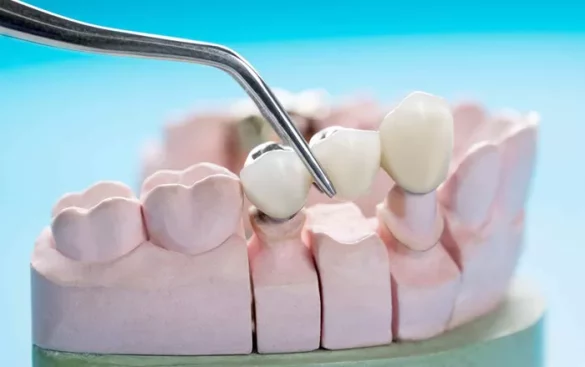
Fixed dental bridges use adjacent natural teeth as anchors to support one or more replacement teeth. The bridge is cemented permanently, restoring the dental arch without the need for removable devices.
Advantages of Bridges
Non-removable: Unlike dentures, fixed bridges stay in place.
Quick procedure: Bridges usually require fewer dental visits than implants.
Protect sensitive teeth: Properly designed bridges can shield sensitive teeth from excessive pressure.
Improved appearance and function: They help maintain facial shape and bite efficiency.
Limitations
Bridges depend on healthy adjacent teeth, which may require reshaping. This can sometimes weaken those teeth or increase risk of gum disease. Good oral hygiene is essential to prevent complications.
Option 3: Implant-Supported Dentures
What Are Implant-Supported Dentures?
These dentures attach securely to dental implants instead of resting directly on gums. This hybrid option combines advantages of both dentures and implants.
Benefits
Enhanced stability: Less slipping or movement compared to traditional dentures.
Better chewing ability: Users can eat a wider variety of foods comfortably.
Preserves bone: Implants stimulate the jawbone, reducing bone loss.
Reduces gum irritation: Since dentures do not rest directly on gums, discomfort in sensitive areas lessens.
Points to Note
This option requires enough bone density for implants and involves surgery. Maintenance includes cleaning both dentures and implants regularly to avoid infections or gum disease.
Option 4: Resin-Bonded Bridges (Maryland Bridges)
What Are Resin-Bonded Bridges?
This type of bridge uses a metal or ceramic framework bonded to the back of adjacent teeth with resin. It is less invasive since it does not require extensive reshaping of the supporting teeth.
Advantages
Conservative treatment: Minimal alteration of neighboring teeth.
Cost-effective: Usually less expensive than implants or traditional bridges.
Quick procedure: Can be completed faster than other options.
Protects sensitive teeth: Because it is minimally invasive, it is suitable for patients with mild sensitive teeth.
Drawbacks
Resin-bonded bridges are less durable and typically used for front teeth with less biting force. The bonding material may weaken over time, requiring replacement.
Option 5: Removable Partial Dentures
Understanding Removable Partial Dentures
Partial dentures replace some missing teeth while allowing you to keep your remaining natural teeth. They clip onto remaining teeth with metal clasps or precision attachments.
Why Choose Partial Dentures?
Affordable alternative: Less costly than implants or fixed bridges.
Non-invasive: No surgery or alteration of other teeth required.
Protects sensitive teeth: Partial dentures help distribute bite force evenly, which can benefit sensitive teeth and reduce gum stress.
Improved function: Restore ability to chew and speak more effectively than having gaps.
Limitations
Partial dentures can cause some irritation to gums and require careful cleaning to avoid gum disease. They may be less stable than fixed options and need periodic adjustment.
Key Considerations When Choosing an Alternative to Dentures
Each option has unique pros and cons. Consider the following before deciding:
Oral health condition: Presence of gum disease or sensitive teeth may influence suitability.
Bone density: Implants need adequate bone support.
Budget: Some options cost more upfront but offer better longevity.
Lifestyle: Consider comfort, appearance, and maintenance.
Dentist’s advice: A thorough dental evaluation is essential to select the best treatment.
Maintaining Oral Health With Any Replacement Option
Whether you choose implants, bridges, or partial dentures, good oral hygiene is vital. Sensitive teeth can become more problematic if plaque builds up around restorations. Gum disease can threaten the longevity of any dental appliance.
Regular brushing, flossing, and dental checkups help maintain healthy gums and teeth. Avoid habits that cause damage, such as smoking or chewing hard foods. Your dentist may recommend specialized cleaning techniques or products for sensitive areas.
Conclusion
While dentures have been the traditional solution for tooth loss, they are not always the best choice for everyone, especially those with sensitive teeth or gum disease. Alternatives such as dental implants, fixed bridges, implant-supported dentures, resin-bonded bridges, and removable partial dentures offer various advantages including better comfort, function, and oral health preservation.
Consult your dental professional to discuss which option suits your specific needs and condition. Choosing the right tooth replacement method can significantly enhance your quality of life, restore your smile, and protect your oral health for years to come.