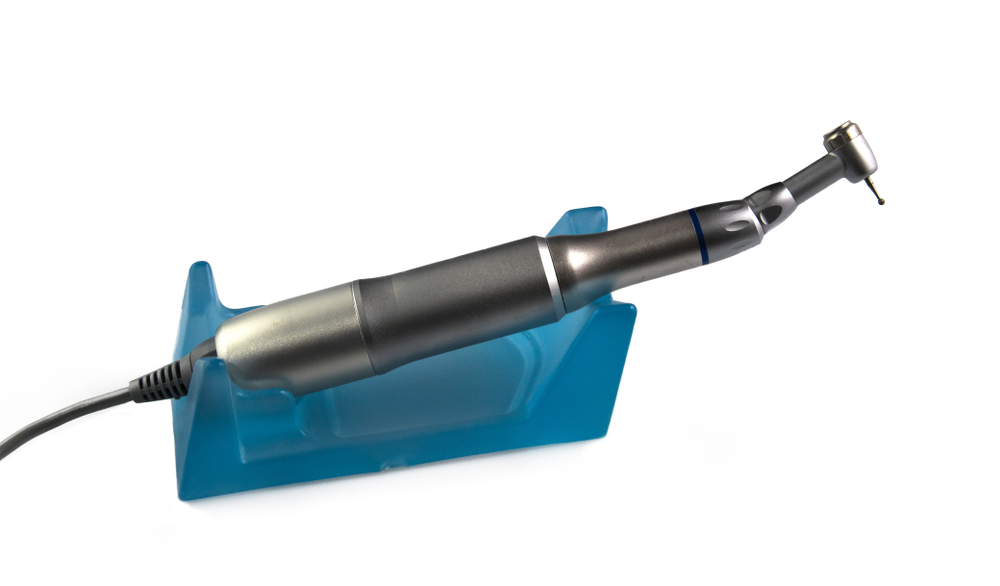
 Selecting the right electric handpiece is a critical decision for dental clinicians, impacting efficiency, comfort, and optimal patient care.
Here are 5 key considerations when navigating the choices:
Speed and Torque: The optimal electric handpiece should offer a range of speeds and torques to accommodate various procedures. Different tasks, from cavity preparation to polishing, require distinct settings for precision and effectiveness.
Ergonomics: A comfortable grip and balanced design are essential for extended use without causing hand fatigue. Ergonomic electric handpieces enhance control, reducing the risk of errors and promoting a smoother workflow.
Maintenance and Durability: Choose a handpiece with easy maintenance protocols and durable construction. Autoclavable components and simple disassembly aid in regular cleaning, and sturdy materials ensure a longer lifespan.
Compatibility and Versatility: Ensure that the handpiece is compatible with your existing equipment and procedures. Versatile handpieces that can adapt to various clinical situations provide more value for your investment.
Noise and Vibration: Quieter and less vibrational handpieces enable clinicians to maintain better control and accuracy during these procedures, while also contributing to a more comfortable experience for both clinicians and patients.


