Select Appropriate Polishing Instruments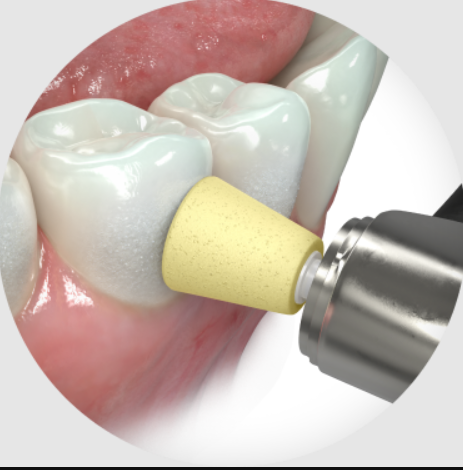 ,Choose the right polishing instruments based on the restorative material being used. Different materials, such as composite resins, ceramics, or metals, require specific polishing tools. For composite restorations, use flexible rubber points, cups, and discs with fine abrasive particles. For metal restorations, polishing burs and discs designed for metal alloys are some of the best options., ,Use a Sequential Polishing Technique,Follow a systematic and sequential polishing technique. Begin with coarse grit abrasives to remove any rough surfaces or irregularities on the restoration. Gradually progress through finer grits to achieve a smooth and glossy surface. This step-by-step approach helps achieve a highly polished finish without damaging the restoration., ,Use Water and Cooling,Always use water or a suitable cooling agent during the polishing process. This helps prevent overheating of the restoration and reduces the risk of thermal damage. Adequate cooling also helps flush away debris generated during the polishing process, maintaining a clear field of vision for the dentist and preventing damage to the restoration., ,Control Pressure,Control the pressure applied during polishing to avoid excessive wear and potential damage to the restoration. Using too much force can generate excessive heat and cause micro-cracks on the surface.,Maintain a light and consistent pressure to achieve a uniform polish, paying special attention to the manufacturer’s recommendations for pressure for different polishing instruments., ,Use Final High-Gloss Polishing System,Finish the polishing process with a high gloss polishing system. This step is crucial for achieving the desired esthetics and enhancing the longevity of the restoration. For the final polish, consider using a polishing paste or a diamond paste with a soft bristle brush to create a smooth and reflective surface on the restoration., ,Additionally, it’s important to stay updated on the latest materials and techniques in dental restoration polishing through continuous education and training. Following manufacturer guidelines and recommendations for specific materials is also key to successful polishing and ensuring the longevity of dental restorations.


