

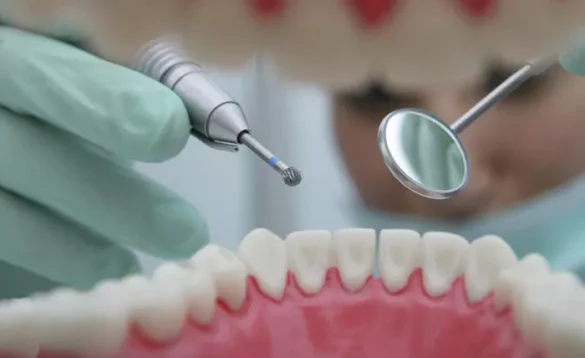
Visiting the dentist can sometimes be stressful, especially when you hear the sound of a dental drill. Many patients wonder why dentists drill before filling teeth instead of applying the filling directly. The process may feel uncomfortable, but it plays a vital role in protecting oral health. Drilling ensures that cavities are properly treated, sensitive teeth are safeguarded, and future complications such as gum disease are minimized. This article explains the five main reasons dentists drill before filling your teeth and why this step is essential in restorative dentistry.
5 Main Reasons Why Dentists Drill Before Filling Your Teeth
1. Removing Decayed Tooth Structure
The primary reason for drilling before placing a dental filling is to remove decayed tooth material. When bacteria feed on sugars in the mouth, they produce acids that erode enamel and dentin. This process creates cavities that can progress deeper into the tooth if not treated. Drilling removes the infected portions of the tooth, leaving behind only healthy tissue. Without this step, decay could remain trapped under the filling, allowing bacteria to spread and cause larger problems.
Why Removing Decay Matters
Leaving decay untreated risks further complications. Decay can spread to the inner pulp of the tooth, leading to infection, pain, and even the need for a root canal. A filling placed on top of decay would only mask the issue rather than eliminate it. By drilling, the dentist ensures that all damaged tissue is gone, providing a strong base for the filling material.
Preventing Sensitive Teeth
When decay progresses, it often exposes dentin, the layer beneath enamel. Dentin contains tiny tubules that connect to the tooth’s nerve, which can lead to tooth sensitivity. If not cleaned out, these exposed tubules can remain irritated. Drilling helps prevent sensitive teeth by removing compromised areas and sealing the surface with a durable filling.
2. Shaping the Cavity for a Strong Filling
Another key reason dentists drill is to shape the cavity so that the filling material can bond securely. A filling cannot simply be placed into a hole left by decay. Instead, the dentist must create a shape that supports the filling and prevents it from falling out under chewing pressure. This step ensures long-lasting dental restorations.
Creating Proper Angles
Fillings must be supported mechanically. Dentists use drills to form specific angles inside the cavity so the filling material locks into place. If the cavity walls are not prepared correctly, the filling may loosen or crack, leading to repeated treatments.
Improving Bite Function
Teeth must withstand daily forces of chewing and grinding. By drilling and shaping the cavity properly, dentists make sure the filling integrates smoothly with the tooth’s natural structure. This prevents uneven pressure points that could cause discomfort or premature wear.
3. Preventing Future Decay Under the Filling
If decay remains under a filling, bacteria can continue to spread unseen. This hidden decay is one of the main reasons fillings fail. Dentists drill to ensure a completely clean surface, which minimizes the risk of new cavities forming beneath the restoration. This step protects the tooth’s long-term health and reduces the chance of requiring more invasive treatments.
Sealing Out Bacteria
Once drilling removes decay, the dentist can seal the tooth with filling material. This creates a barrier that blocks bacteria from reentering the cleaned cavity. A well-drilled and well-sealed filling helps prevent recurring cavities and gum disease caused by bacterial buildup.
Extending the Life of Fillings
Fillings can last many years if the tooth is properly prepared beforehand. Without thorough drilling, fillings are more likely to break down prematurely. Proper cavity preparation ensures that the filling adheres tightly, extending its durability and effectiveness.
4. Ensuring Comfort and Pain Relief
While drilling may seem uncomfortable, it actually helps relieve pain caused by tooth decay. Cavities that reach the dentin or pulp can cause toothaches and sensitivity. By removing damaged tissue and sealing the area with a filling, the dentist reduces irritation and restores comfort.
Eliminating Nerve Irritation
When decay is left untreated, it often irritates the nerve of the tooth, leading to sharp pain or lingering sensitivity. Drilling removes the cause of this irritation, making it possible to restore comfort once the filling is placed.
Protecting Against Infection
If bacteria are not fully removed, infection may spread deeper, sometimes requiring antibiotics or root canal therapy. Drilling stops this progression early, ensuring that patients do not experience worsening symptoms or tooth loss.
5. Supporting Long-Term Oral Health
The final reason dentists drill before filling teeth is to support long-term oral health. This process ensures not only that cavities are properly treated but also that the tooth remains functional for years to come. Neglecting proper preparation could lead to repeated procedures, gum disease, and eventual tooth loss.
Maintaining Strong Teeth
Drilling preserves the healthy part of the tooth while eliminating only the diseased area. This balance helps the tooth maintain its strength and function, reducing the risk of fractures.
Preventing Gum Disease
Improperly filled teeth can trap bacteria and food debris along the gum line, which may contribute to gum disease. By drilling and shaping the cavity properly, dentists ensure that the filling does not create rough edges or gaps where bacteria can accumulate. This step lowers the risk of gingivitis and periodontitis.
Conclusion
Drilling before filling is not just a routine step—it is a crucial part of effective dental care. It removes decay, shapes the cavity, prevents future infection, relieves pain, and supports long-term oral health. While the sound of the drill may be unsettling, it represents a process that protects against cavities, gum disease, and sensitive teeth. The next time you sit in the dentist’s chair, remember that drilling is a key step toward restoring your smile and keeping your teeth healthy for the future.
