

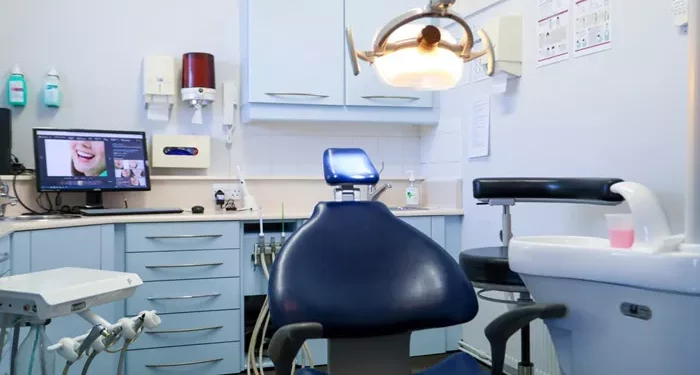
Teeth whitening is one of the most popular cosmetic dental procedures worldwide. Having a brighter, whiter smile can improve your confidence and overall appearance. However, achieving the desired results involves proper preparation, and there are certain things you should avoid doing before teeth whitening.
6 Things to Avoid Before Teeth Whitening
1. Don’t Skip a Dental Checkup

Before starting any teeth whitening treatment, it’s essential to have a professional dental checkup. A dentist can evaluate the overall health of your teeth and gums, identify any underlying issues, and recommend the most suitable whitening procedure for your condition.
Why is a Dental Checkup Necessary?
Skipping a dental checkup before whitening your teeth can lead to complications. For instance, if you have untreated cavities or gum disease, whitening treatments could aggravate these conditions. Additionally, if your teeth are not in good health, whitening may not be as effective. A professional evaluation ensures that your teeth are healthy enough to handle the whitening process, reducing the risk of discomfort or damage.
Key Points to Remember:
- Schedule a dental checkup before whitening your teeth.
- Address any cavities or gum disease before starting the treatment.
- Ensure you have no underlying oral health issues that could interfere with the whitening process.
2. Avoid Whitening If You Have Sensitive Teeth or Gums
If you suffer from tooth sensitivity or gum irritation, whitening treatments could worsen these conditions. Teeth whitening products typically contain bleaching agents, such as hydrogen peroxide, that may cause discomfort if your teeth or gums are already sensitive.
What Causes Tooth Sensitivity?
Tooth sensitivity occurs when the protective enamel on your teeth wears down, exposing the dentin underneath. The dentin contains tiny tubules that lead to nerves inside the tooth, causing pain or sensitivity when exposed to hot, cold, or acidic substances. If you have sensitive teeth, it’s important to consult with your dentist to determine whether whitening treatments are right for you.
How to Manage Sensitivity Before Whitening
If you’re concerned about sensitivity, your dentist may recommend using a desensitizing toothpaste or fluoride treatments prior to whitening. These products help strengthen the enamel and reduce sensitivity. In some cases, the dentist may advise postponing whitening until your teeth are less sensitive.
Key Points to Remember:
- If you have sensitive teeth or gums, consult with your dentist before whitening.
- Use desensitizing products to manage discomfort.
- Consider postponing whitening if sensitivity is severe.
3. Don’t Use Whitening Products at Home Without Professional Guidance

While over-the-counter teeth whitening products are widely available, they may not be suitable for everyone. These products can vary in strength, and using them incorrectly can cause damage to your teeth and gums.
Why Should You Avoid Over-the-Counter Products?
Whitening products found in stores often contain lower concentrations of bleaching agents than those used by professionals. While this might seem safer, these products can be less effective or cause uneven results. Additionally, improper use of at-home whitening products can lead to gum irritation, tooth sensitivity, and even enamel damage. It’s always better to seek professional advice before using any whitening products.
What’s the Safe Way to Use Whitening Products?
If you’re considering at-home whitening, discuss it with your dentist. They can recommend safe and effective products, such as custom-fitted trays, that are tailored to your specific needs. This ensures that the whitening process is effective and safe.
Key Points to Remember:
- Avoid using over-the-counter whitening products without professional guidance.
- Consult with your dentist to determine the best whitening option for your teeth.
- Ensure that any at-home whitening treatment is safe and effective.
4. Don’t Consume Staining Foods and Beverages
Before undergoing teeth whitening, it’s best to avoid foods and drinks that are known to stain teeth. Common culprits include coffee, tea, red wine, and certain berries. These substances can temporarily stain your teeth, making the whitening treatment less effective.
How Long Before Whitening Should You Avoid Staining Foods?
It’s ideal to avoid consuming staining foods and beverages for at least 24–48 hours before your whitening treatment. During this period, your teeth will be more porous and prone to absorbing pigments from foods and drinks. After whitening, it’s also important to avoid such substances to maintain your new white smile for as long as possible.
Key Points to Remember:
- Avoid staining foods and beverages before your whitening treatment.
- Minimize the consumption of staining substances for at least 24–48 hours before whitening.
- After whitening, be mindful of your diet to preserve the results.
5. Don’t Expect Immediate Results

Teeth whitening is a gradual process. Although you may see some improvement immediately after the treatment, the full effects typically take a few days to fully manifest. Expect your teeth to gradually become brighter over time as the bleaching agents continue to work.
How Long Will It Take to See Full Results?
For professional whitening treatments, results can typically be seen in 24 to 48 hours. However, it’s important to note that not all patients will achieve the same level of whiteness. The final result depends on various factors, including the type of stains, the strength of the whitening agent, and the individual’s natural tooth color.
Key Points to Remember:
- Be patient when waiting for full whitening results.
- Understand that whitening effects may take a few days to fully appear.
- Consult your dentist if you have concerns about the results.
6. Don’t Forget to Follow Aftercare Instructions
After your teeth whitening treatment, following proper aftercare is crucial to maintaining the results. This includes avoiding staining foods and beverages, as well as practicing good oral hygiene.
What Aftercare Is Needed After Teeth Whitening?
After whitening, your teeth may be more sensitive for a short period. Avoiding hot or cold foods and drinks during this time can help reduce discomfort. Additionally, following a consistent brushing and flossing routine will keep your teeth clean and help prevent new stains from forming. Your dentist may also recommend using a special toothpaste to help maintain the whitening effects.
Key Points to Remember:
- Follow your dentist’s aftercare instructions to preserve your results.
- Avoid staining foods and beverages after whitening.
- Maintain good oral hygiene practices to keep your teeth looking white.
Conclusion
Teeth whitening is an excellent way to enhance your smile, but it requires careful preparation. By avoiding certain mistakes, such as skipping a dental checkup, using over-the-counter whitening products incorrectly, and consuming staining foods, you can achieve the best possible results. Always consult with your dentist before starting any whitening treatment to ensure that your teeth and gums are healthy enough to handle the procedure. With proper care and attention, you can enjoy a bright, beautiful smile for years to come.
FAQs
Q1: How long before whitening should I stop using teeth whitening products?
A1: It’s best to stop using any teeth whitening products at least two weeks before undergoing professional whitening treatment. This allows your dentist to evaluate the current state of your teeth and ensures optimal results.
Q2: Can teeth whitening damage my enamel?
A2: When done correctly, teeth whitening is safe and will not damage enamel. However, overuse of whitening products or improper techniques can harm your enamel. Always consult with a dentist before starting any whitening procedure to ensure you’re using the safest method.
Q3: How often can I whiten my teeth?
A3: Whitening treatments should be spaced out to avoid damaging your teeth. It’s generally recommended to wait a few months between treatments, depending on the type of whitening method used. Your dentist can provide a personalized recommendation based on your specific needs.
Q4: Are there any side effects of teeth whitening?
A4: Some temporary side effects of teeth whitening include tooth sensitivity and gum irritation. These side effects are usually mild and subside within a few days. If you experience significant discomfort, consult your dentist for guidance.
