

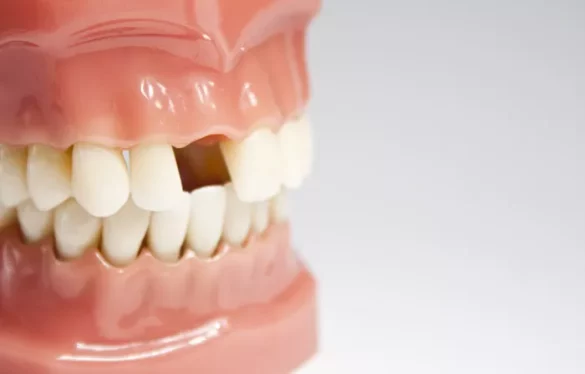
Temporary fillings are widely used in dentistry to protect teeth until a permanent solution is placed. They are particularly important for front teeth, where appearance and function matter most. Patients often need temporary fillings when they experience tooth decay, chipped enamel, or after root canal procedures. These materials help shield sensitive teeth, prevent bacterial invasion, and reduce the risk of gum disease until a dentist can provide permanent treatment.
Why Temporary Fillings Are Important for Front Teeth
The front teeth are the most visible part of a smile. Any damage, such as decay or cracks, can impact confidence and daily functions like speaking and chewing. A temporary filling helps maintain cosmetic appearance while also protecting inner tooth structures. Without this protection, a patient may develop further complications, including gum disease, dental infections, or heightened sensitivity.
Key Qualities of a Good Temporary Filling
A high-quality temporary filling must balance durability and aesthetics. For the front teeth, a natural look is critical. Patients also expect the filling to be safe, comfortable, and easy to replace when needed. Some important qualities include:
- Ability to protect against bacteria
- Resistance to chewing forces
- Easy application and removal
- Comfort for sensitive teeth
- Aesthetic compatibility with natural enamel
7 Best Temporary Filling for Front Tooth in 2025
1. Cavit Temporary Filling
Cavit is one of the most trusted dental materials for temporary fillings. It is premixed and easy to apply, making it suitable for both dental professionals and patients in emergencies. Cavit expands slightly when set, creating a strong seal against bacterial invasion. This helps prevent gum disease and further decay. Although Cavit is strong, it is not designed for long-term use. Its biggest advantage for front teeth is that it blends well with natural enamel, providing both protection and aesthetics.
2. Dental Cement (Zinc Oxide Eugenol)
Zinc oxide eugenol cement is commonly used as a temporary restorative material. Its soothing effect on sensitive teeth makes it ideal for patients experiencing discomfort. The eugenol component acts as a mild sedative on dental pulp, which reduces pain after procedures such as cavity cleaning. This type of cement is also antimicrobial, helping reduce the risk of gum disease. However, it is softer than other fillings and may not last as long in high-stress areas, though it works effectively on front teeth where chewing pressure is lower.
3. Glass Ionomer Temporary Filling
Glass ionomer is a versatile material that bonds chemically to tooth enamel. It is an excellent choice for front teeth because it releases fluoride, which helps prevent further decay. This fluoride release strengthens surrounding enamel and provides ongoing protection. Glass ionomer also adapts well to sensitive teeth. Although not as strong as composite fillings, its protective benefits and natural appearance make it a reliable temporary option.
4. Composite Resin-Based Temporary Filling
Composite resin is often used as a permanent filling, but temporary versions are also available. These materials are tooth-colored, making them one of the best options for front teeth from a cosmetic standpoint. Composite resins are more durable than most temporary materials, and they provide strong protection against bacterial infiltration. However, they require more precise placement and curing, which may limit their use outside professional dental settings. For patients concerned about appearance, composite resin remains a leading choice.
5. Temporary Filling Kits (Over-the-Counter Solutions)
Many patients rely on over-the-counter temporary filling kits when they cannot immediately visit a dentist. These kits typically contain premixed materials that can be shaped and applied directly to a cavity or chipped area. While not as durable as professional options, they serve as a vital short-term fix to protect against sensitivity and gum disease. They are especially useful for emergencies involving front teeth, where both comfort and appearance are a priority.
6. IRM (Intermediate Restorative Material)
IRM is a reinforced zinc oxide eugenol material that offers better durability compared to standard ZOE fillings. It is often used when a patient needs a longer-lasting temporary solution. IRM provides excellent protection for sensitive teeth and has antimicrobial benefits that reduce the risk of gum infections. Although not as aesthetic as composite resin, IRM remains a practical choice when both strength and temporary protection are required.
7. Acrylic-Based Temporary Restorations
Acrylic-based materials are sometimes used as temporary crowns or large restorations for front teeth. These restorations provide both strength and aesthetic coverage. They are especially helpful for patients awaiting permanent crowns or veneers. Acrylic restorations can withstand moderate chewing forces and prevent damage to underlying tooth structures.
Although they require professional fabrication, they are among the best temporary solutions for front teeth when appearance is critical.
When to Seek Professional Dental Care
Temporary fillings are not permanent solutions. Patients should always follow up with a dentist to receive long-term treatment. If left untreated, temporary fillings can wear down, leading to bacterial leakage, gum disease, or worsening sensitivity. Signs that require immediate dental attention include persistent pain, swelling, or visible damage to the filling.
Risks of Relying Too Long on Temporary Fillings
Relying on a temporary filling beyond its intended duration increases the risk of complications. The material may deteriorate, allowing bacteria to enter and cause infections. This can lead to conditions such as pulpitis, gum disease, or abscesses. For patients with sensitive teeth, the lack of proper protection can also intensify discomfort. Therefore, temporary fillings should always be viewed as a short-term measure until permanent treatment is possible.
Care Tips for Temporary Fillings
Patients should take special care of their temporary fillings, especially when placed on front teeth. Some useful tips include:
- Avoid biting into hard foods with the filled tooth
- Brush gently to prevent dislodging the material
- Use fluoride toothpaste to strengthen enamel
- Rinse with an antibacterial mouthwash to reduce gum disease risk
- Visit the dentist promptly for permanent restoration
Future of Temporary Dental Materials in 2025 and Beyond
Advancements in dental materials continue to improve the quality of temporary fillings. In 2025, many products are designed to combine durability, aesthetics, and antibacterial benefits. New research focuses on bioactive materials that not only protect but also encourage remineralization of tooth enamel. This innovation benefits patients with sensitive teeth and helps reduce long-term risks of gum disease.
Conclusion
The best temporary filling for front teeth depends on the patient’s needs, dental condition, and access to professional care. Cavit, zinc oxide eugenol, glass ionomer, composite resin, over-the-counter kits, IRM, and acrylic restorations all serve different roles in protecting teeth temporarily. Each option has strengths and limitations, but all provide essential protection for sensitive teeth and help prevent gum disease while awaiting permanent treatment. Patients should always remember that temporary fillings are not substitutes for professional care but are valuable tools in maintaining oral health until long-term solutions are applied.
