

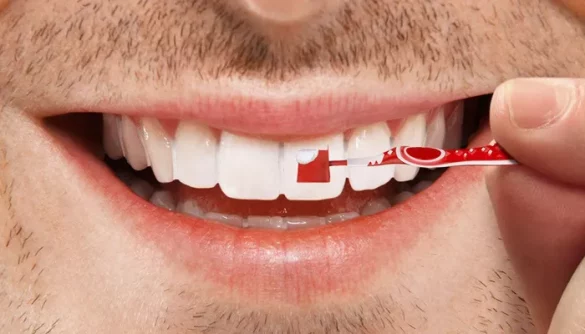
Many people experience teeth gaps, also known as diastemas. These gaps can appear between front teeth or other teeth in the dental arch. While small gaps may not cause problems, larger spaces can affect chewing, speech, and confidence. In 2025, dentistry offers multiple safe and effective options to close teeth gaps. The choice of treatment depends on the patient’s age, oral health, and personal preferences. Some treatments are cosmetic, while others provide long-term oral health benefits.
Why Teeth Gaps Need Treatment
Gaps between teeth are not always harmful, but they can increase the risk of oral issues. Food can become trapped in spaces, leading to gum disease and cavities. Patients with sensitive teeth may experience discomfort when food debris and plaque remain lodged between gaps. Closing gaps can improve oral hygiene and enhance aesthetics. Dentists consider the health of gums, teeth alignment, and jaw function before recommending gap filler options.
8 Best Teeth Gap Filler in 2025
1. Dental Bonding
Dental bonding is one of the most popular solutions for small to moderate teeth gaps. A tooth-colored resin is applied to the teeth and shaped to cover the space. The material is hardened with a special light and polished for a natural look. Dental bonding is affordable, quick, and minimally invasive. It is an ideal choice for patients with sensitive teeth because the procedure usually requires little to no enamel removal. However, bonding may need replacement after several years due to wear or staining.
Advantages of Dental Bonding
- Affordable and widely available.
- Quick treatment, often completed in one visit.
- Preserves natural tooth structure.
- Suitable for patients with gum disease who need a non-invasive option.
Limitations of Dental Bonding
- Less durable than veneers or crowns.
- May stain over time.
- Requires periodic touch-ups.
2. Porcelain Veneers
Porcelain veneers are thin shells that cover the front surface of teeth. They are custom-made to match the natural color of teeth and can close gaps while improving the overall smile. Veneers are stronger and longer-lasting than dental bonding. They are especially useful when gaps are combined with discoloration, uneven teeth, or chipped enamel. However, the procedure requires enamel removal, which may not be ideal for patients with very sensitive teeth.
Advantages of Porcelain Veneers
- Natural appearance.
- Long-lasting solution, often 10 to 15 years.
- Resistant to stains.
- Improves overall aesthetics.
Limitations of Porcelain Veneers
- Higher cost compared to bonding.
- Requires enamel removal.
- Not reversible once placed.
3. Dental Crowns
Dental crowns are caps that cover entire teeth. They can be used to close larger gaps and restore damaged teeth. Crowns are commonly made from porcelain, zirconia, or metal alloys. This treatment is ideal for patients who have gaps due to small or weak teeth. Crowns not only improve appearance but also strengthen teeth. However, the procedure involves more preparation compared to bonding or veneers.
Advantages of Dental Crowns
- Durable and strong.
- Restores function and appearance.
- Suitable for patients with weakened teeth.
- Long-lasting with proper care.
Limitations of Dental Crowns
– More invasive procedure.
– Higher cost.
– Requires significant enamel reduction.
4. Orthodontic Braces
Traditional braces remain a reliable method for closing teeth gaps. Braces gradually shift teeth into proper alignment using brackets and wires. This treatment is recommended for patients with multiple gaps or complex bite issues. While treatment duration may take 18 to 24 months, braces provide permanent results when combined with retainers. Patients with gum disease may need treatment before starting orthodontics.
Advantages of Orthodontic Braces
– Permanent results when maintained with retainers.
– Corrects bite problems along with gaps.
– Effective for all ages.
– Prevents long-term oral health issues.
Limitations of Orthodontic Braces
– Longer treatment duration.
– Requires good oral hygiene to prevent gum disease.
– May cause discomfort with adjustments.
5. Clear Aligners
Clear aligners, such as Invisalign, have become popular in 2025. They are removable trays that gradually move teeth into better positions. Clear aligners are nearly invisible, making them ideal for adults who want a discreet option. They can close gaps effectively and are more comfortable than traditional braces. Patients must wear aligners for 20 to 22 hours daily for best results.
Advantages of Clear Aligners
– Discreet and comfortable.
– Removable for eating and brushing.
– Shorter treatment time in mild cases.
– Suitable for patients with sensitive teeth.
Limitations of Clear Aligners
– Requires discipline to wear daily.
– Less effective for severe bite issues.
– Higher cost compared to braces.
6. Dental Implants
Dental implants are the gold standard for replacing missing teeth. If a tooth is missing, an implant can fill the gap permanently. The procedure involves placing a titanium post in the jawbone, which supports a crown. Implants help prevent bone loss and preserve facial structure. This option is highly durable but requires surgery and a healing period. Patients with gum disease need treatment before implant placement.
Advantages of Dental Implants
– Permanent and stable solution.
– Prevents jawbone loss.
– Natural look and feel.
– Improves chewing function.
Limitations of Dental Implants
– Surgical procedure with healing time.
– High cost compared to other options.
– Requires good bone density.
7. Dental Bridges
Dental bridges fill gaps by anchoring an artificial tooth to adjacent natural teeth or implants. This solution is common when one or two teeth are missing. Bridges restore function and appearance, and they are more affordable than implants. However, they require modification of neighboring teeth, which may not be suitable for all patients.
Advantages of Dental Bridges
– Quick procedure.
– Restores chewing ability.
– More affordable than implants.
– Improves smile aesthetics.
Limitations of Dental Bridges
– Involves altering nearby teeth.
– May need replacement after 10 years.
– Can trap food if not cleaned properly, increasing gum disease risk.
8. Composite Fillers
Composite fillers are used to close very small gaps. Dentists apply a tooth-colored composite material to reshape teeth and eliminate minor spaces. This is a quick, affordable, and minimally invasive procedure. It is suitable for patients with sensitive teeth and those who want a temporary or budget-friendly option. However, it may not be effective for large gaps.
Advantages of Composite Fillers
– Affordable and fast treatment.
– Suitable for small gaps.
– Minimally invasive.
– Safe for sensitive teeth.
Limitations of Composite Fillers
– Not durable for larger gaps.
– May discolor over time.
– Requires maintenance and replacement.
Choosing the Best Teeth Gap Filler in 2025
The right treatment depends on several factors: the size of the gap, oral health condition, patient’s age, and budget. Patients with gum disease need to treat inflammation before choosing cosmetic solutions. Sensitive teeth require minimally invasive treatments like bonding or composite fillers. Long-term solutions like implants or orthodontics may be better for those who want permanent results. A dentist can provide a personalized plan after a complete examination.
Conclusion
Teeth gap fillers in 2025 include a wide range of treatments, from quick solutions like bonding and composite fillers to long-term procedures such as implants and orthodontics. Each option has benefits and limitations. Closing gaps not only improves the appearance of a smile but also helps maintain healthy gums and prevent oral complications. Regular dental check-ups, good oral hygiene, and early treatment of gum disease ensure the best outcomes for patients seeking to close teeth gaps.
