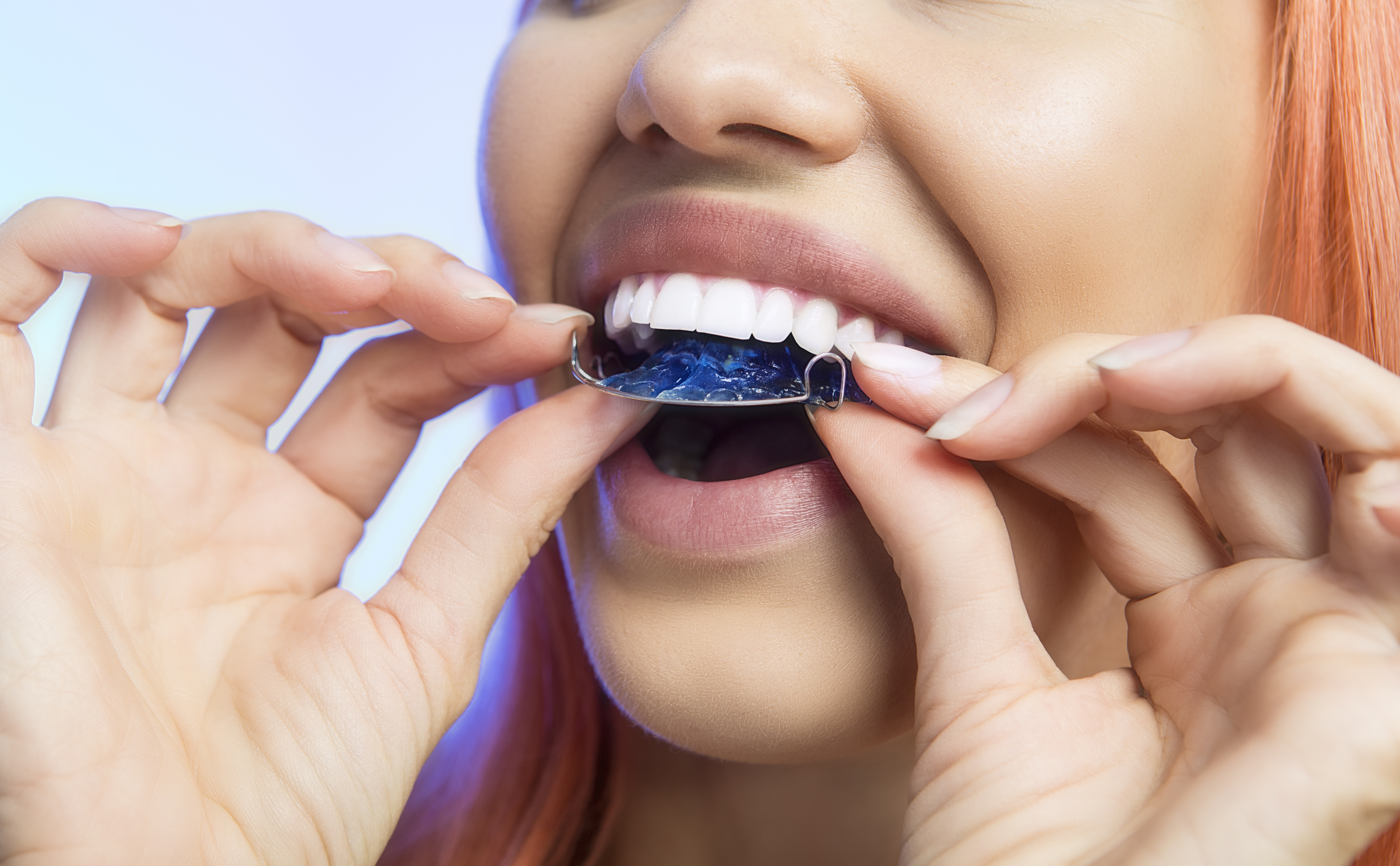
 Retention is the unsung hero of successful orthodontic treatment. Regardless of how ideal the alignment post-treatment may be, the long-term outcome hinges heavily on one critical factor: patient compliance with retainer wear. For dental professionals, ensuring patients understand and follow through with retainer use can make the difference between lasting results and relapse. This blog explores effective strategies—and common pitfalls—when it comes to encouraging patients to stay committed to their retention phase., ,Why Compliance Fails: Understanding the Patient Mindset
Before diving into strategies, it’s important to understand why patients (especially adolescents and young adults) often fall short on retainer use:, ,- Perceived end of treatment: Many patients mistakenly view debonding or the final aligner as the “finish line.”,
– Lack of symptoms: Without discomfort or noticeable changes, patients may not feel urgency to wear a retainer.,
– Inconvenience: Especially with removable retainers, it’s easy for wear to be forgotten—or intentionally skipped.,
By acknowledging these challenges, we can tailor communication and protocols to support better habits., ,Strategies to Boost Retainer Compliance,1. Set Clear Expectations Early
Start the conversation about retention during the active treatment phase—not after. Framing the retainer as part of the treatment plan, not a postscript, helps manage expectations., ,2. Written and Visual Instructions
Reinforce verbal guidance with handouts, retainer agreements, or even short instructional videos. Digital take-home material is especially useful for tech-savvy patients., ,3. Use of Retainer Tracking Apps
There are several apps available (like TrayMinder or DentalMonitoring) that help patients track wear time and send reminders. Recommending one can engage patients in a modern, familiar format., ,4. Regular Follow-Ups with Accountability
Schedule retainer check appointments at defined intervals. Patients are more likely to comply if they know their efforts (or lack thereof) will be evaluated., ,5. Personalized Risk Education
Patients respond to personal risk. Show intraoral photos or digital models to demonstrate potential relapse if compliance lapses. When patients see the stakes in their own mouths, they’re more motivated., ,Retainer compliance isn’t just about habits—it’s about communication, education, and ongoing support. By equipping patients with the tools and understanding they need, dental professionals can significantly reduce the risk of orthodontic relapse and preserve long-term treatment success.,


