

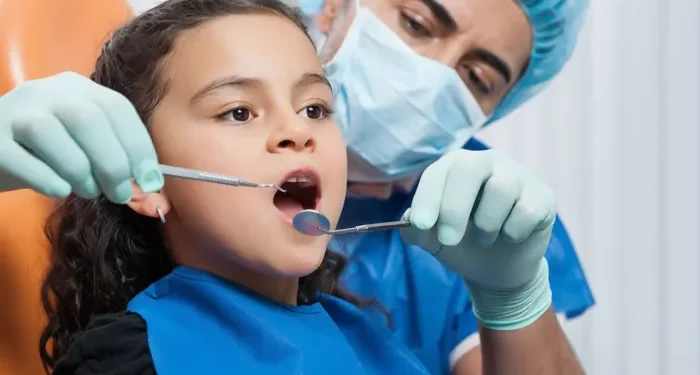
Many cancer patients in North Carolina face treatment delays not because of oncologist availability, but due to difficulties in accessing timely dental care. This issue is especially critical for those with head and neck cancers, as dental problems need to be addressed before starting radiation or chemotherapy. Without a dental clearance to rule out infection risks, cancer treatment can become unsafe, potentially leading to serious complications and even higher chances of death if delayed for several weeks.
Accessing dental clearance is not straightforward for many North Carolina residents. Although a law passed in 2021 requires coverage for medically necessary dental care for cancer patients and Medicaid offers some dental benefits, in reality, these measures are often insufficient. Many dentists in the state do not accept Medicaid, and definitions of what services qualify as “medically necessary” vary among private insurers. There is also no guaranteed timeline for how quickly patients should receive clearance. Eastern North Carolina, for instance, is served by only one oral medicine specialist, increasing the wait time for appointments.
These problems are reflected in troubling cancer trends. Statistics show that rural regions like eastern North Carolina have some of the highest rates of oral and throat cancers in the country. A significant majority of cases—over two-thirds—are diagnosed at late stages, which is above the national average. Data from the National Institutes of Health make clear that every week of treatment delay can strongly affect a patient’s chances of survival, and those facing the most barriers tend to be from underserved communities.
Patients in rural areas often have fewer dental providers nearby. Medicaid users may struggle to find a participating dentist, and some patients lack transportation, which leads to missed appointments and longer waits. Every obstacle—from referral processes to insurance denials—can translate into real harm for those needing urgent cancer therapy.
Experts suggest several solutions. Hospitals and cancer centers can link with dental clinics to speed up pre-treatment evaluations. States could improve Medicaid reimbursement, motivating more dentists to participate. Dental schools can prioritize urgent cases, and tele-dentistry might help with basic screenings to reduce unnecessary visits. These changes would treat dental care as an essential part of overall cancer treatment, preventing delays and giving all patients a better chance to recover.
Tags: dental care Read More