

Medical researchers at the University of Sharjah have found that garlic extract mouthwash offers antimicrobial effects on par with widely used antiseptics like chlorhexidine. The findings, published in the Journal of Herbal Medicine, suggest garlic may serve as a natural alternative in oral care.
The systematic review analyzed clinical studies comparing garlic extract and chlorhexidine. Using PRISMA 2020 guidelines and the PICO framework, the team screened 402 articles, ultimately including five randomized controlled trials and clinical studies with low-to-moderate bias.
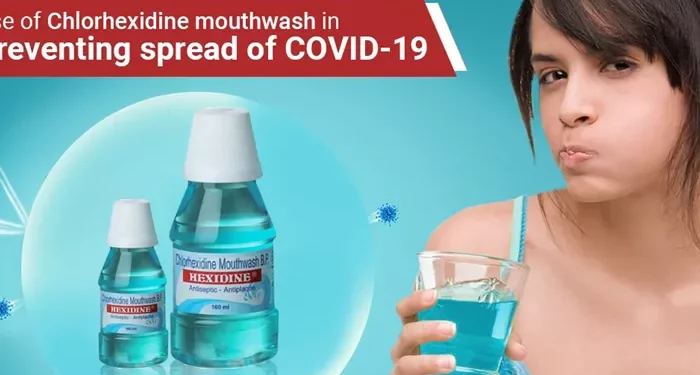
Results showed that higher concentrations of garlic extract were similarly effective in reducing bacterial counts. Some studies favored chlorhexidine for maintaining plaque and salivary pH, while others reported garlic extract outperforming it at specific concentrations. However, garlic-based mouthwash often caused more discomfort, including a burning sensation and strong odor.
“Chlorhexidine remains the gold standard but comes with side effects and concerns over antimicrobial resistance,” the researchers noted. Garlic, known for its allicin content, has long been recognized for antibacterial and antifungal properties.
Despite mild side effects, the study supports garlic extract’s potential as a viable alternative for managing gingivitis, dental caries, periodontal disease, and halitosis. The authors call for further trials with larger patient groups and extended follow-up to validate garlic’s clinical efficacy.
Global interest in herbal oral care is rising. Garlic extract products are widely available over the counter, contrasting with prescription-only synthetic agents. In 2024, global garlic production reached 30 million metric tons, with China accounting for nearly 80%, and the extract market valued at over $15 billion.
While laboratory evidence for garlic’s antimicrobial effects is strong, the review highlights a lack of standardized clinical studies, leaving gaps in evidence-based application. Still, garlic extract mouthwash represents a promising natural alternative for oral health care.