

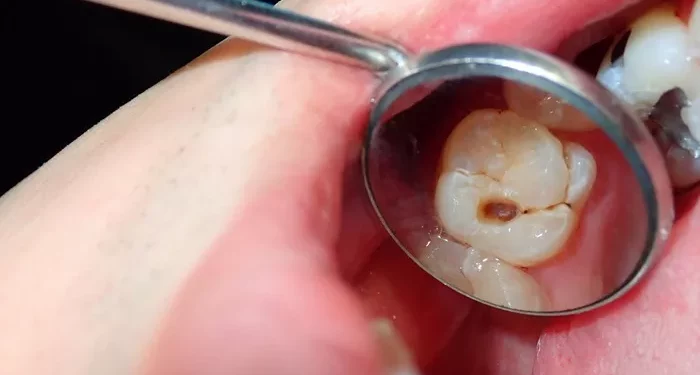
A new national survey shows England’s adult oral health has deteriorated, with more adults now showing obvious tooth decay than at any point since the late 1990s.
The Adult Oral Health Survey 2023, published on 9 December, found more than one in five adults in England have at least one tooth with obvious decay. When teeth with non-cavitated decay extending into the inner dentine are included, the share rises to 41% of dentate adults.
The report says the prevalence of obvious decay fell markedly between 1998 and 2009 but has since climbed. Between 2009 and 2023 the rate increased by 13%, a shift the authors call “almost a reversal of the previous improvement,” bringing 2023 figures closer to 1998 levels.
The survey was carried out between June 2023 and April 2024 on a representative sample of people aged 16 and older in England.
Key findings
65% of adults reported visiting a dentist at least once in a two-year period; 35% went less often or only when they had tooth or denture problems.
71% of dentate adults showed some tooth wear somewhere in the mouth.
65% rated their oral health as good or very good; 24% said fair; 11% said bad or very bad.
Large numbers reported negative impacts on quality of life: 49% experienced an occasional or more frequent oral impact, 43% said oral health affected their daily life, and 22% reported a severe oral impact.
Reaction from the profession was blunt. British Dental Association chair Eddie Crouch warned that “hard-won gains on oral health are going into reverse” and urged government to “double down — and deliver promised reforms and vital investment.” He said without real commitment, NHS dentistry’s future is at risk and health inequalities will deepen.
Nigel Carter, chief executive of the Oral Health Foundation, called the figures “a stark warning” and described the return to late-1990s decay levels as “simply unacceptable and entirely preventable.”
Carter urged national action to make healthier choices easier, improve access to dental care and tackle widening inequalities, saying failure to act risks “a generation living with worse oral health than their parents and grandparents.”