


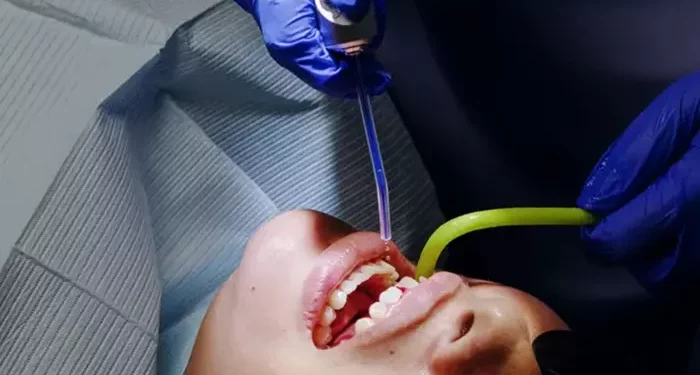
SAN FRANCISCO — In 15 years as a dental hygienist, Elena has cleaned the teeth of Fortune 500 executives, cab drivers between fares and cancer patients awaiting chemotherapy.
She used only her first name to avoid employment repercussions. She trained for a different career — fashion — but the 2008 recession pushed her into dentistry for stability. Now she plans to leave the field.
The Bay Area’s supply of dental hygienists is shrinking, even as demand rises. There is roughly one hygienist for every 2.5 dentists in the region, while most practices operate best with three to four hygienists per dentist.
Between 2019 and 2023, the number of registered dental hygienists in seven Bay Area counties fell 8.6%, from 3,262 to 2,980, while the state’s total number of licenses rose by 426, according to the California Department of Consumer Affairs.
Higher pay has not solved the problem. Revelio Labs estimates Bay Area hygienists earn about $69 an hour — roughly $142,751 a year for full-time work — a wage well above the regional median. Still, many hygienists remain part time and lack employer-sponsored benefits.
“Once you’re paid top dollar for being a hygienist in the Bay Area, that’s it,” said Karen Markopoulos, a San Francisco hygienist. “It caps out at a certain point, so there’s no real upward mobility.”
The job’s physical toll and workplace conditions drive many away. Hygienists commonly suffer carpal tunnel and repetitive strain injuries from hours of awkward positions and repetitive wrist movements. To manage pain, some buy ergonomic tools or pay out of pocket for therapy; others cut hours and forfeit benefits.
The workforce is also demographically lopsided. Nationally, women make up 94% of registered dental hygienists but only 38.8% of dentists, a disparity rooted in the profession’s history.
Part-time schedules are common and often necessary for caregiving or to reduce physical strain, but they also make it harder for workers to qualify for health insurance, sick leave and retirement plans — benefits more routinely available in similar healthcare professions.
Many hygienists complain of unsustainable workloads as dentists try to increase patient throughput. “Some hygienists are seen as divas or prima donnas just for asking for fair hours or better instruments or more time with their patients,” said Katie, a Santa Cruz hygienist who also provided only her first name. She has moved into public health, citing greater job satisfaction at a community clinic serving Medi-Cal patients.
The shortage affects patients, too. Longer waits and reduced access to routine preventive care mean dental work falls to less-qualified staff or is postponed, potentially worsening outcomes and increasing the need for costly procedures.
Some hygienists are preparing exit strategies. Elena is pursuing a master’s in nutrition, teaching hygiene courses and networking with industry firms. Her story reflects a broader shift: a traditionally stable career is losing appeal amid physical strain, scant benefits and limited advancement — conditions that complicate coverage and access under current Dental Insurance frameworks.