


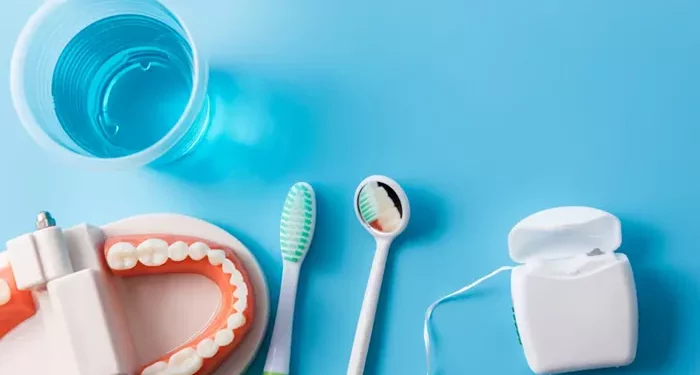
Even with diligent brushing and mouthwash use, plaque and bacteria can linger between teeth. Dentists emphasize that daily flossing is crucial, as it reaches areas a toothbrush cannot. A key warning sign that flossing habits may need improvement? Foul-smelling dental floss.
“If the floss smells bad, it can indicate plaque buildup, trapped food, or gum inflammation,” said Dr. Natalie Jeong, chair of periodontology at Tufts University School of Dental Medicine.
The Role of Flossing
Brushing twice daily effectively cleans tooth surfaces but cannot fully reach the tight spaces between teeth. Over time, leftover food and plaque harden into tartar, which can trigger gum disease.
Flossing removes debris between teeth and under the gum line. “Brushing without flossing is like washing only the front and back of a dish but not the sides,” Jeong explained.
Research confirms that regular flossing reduces gingival inflammation, tooth decay, and tooth loss, according to Dr. Marisol Tellez Merchan, chair of oral health sciences at Temple University.
What Stinky Floss Indicates
A noticeable odor on dental floss usually points to lingering bacteria or trapped food. A mild smell after infrequent flossing or recent meals is normal. Persistent strong odors, however, may suggest ineffective brushing or flossing.
“Smelly floss or food debris is a sign you may need to floss more thoroughly or even brush again,” Merchan said. Occasional sniffing of the floss can provide insights into oral health, though it is not required every time.
If floss consistently smells foul despite regular oral hygiene, experts advise seeing a dentist or periodontist. Persistent odor could signal gum disease, such as gingivitis or periodontitis, or decay beneath fillings or crowns.
How to Floss Effectively
Dentists recommend flossing at least once daily, preferably at night. Jeong advises using about 18 inches of floss, wrapping it around the middle fingers, and sliding a clean section between each tooth and under the gum line.
For those who find daily flossing challenging, even three times per week is better than none.