


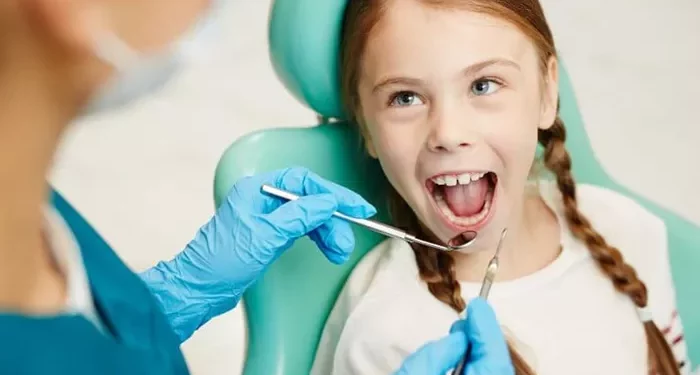
More than eight million Americans have intellectual or developmental disabilities, and maintaining good oral health can be challenging. Studies show that people with disabilities often experience poorer oral health than the general population.
However, with the right support, people with special health care needs (SHCN) can manage their dental care with greater confidence.
People with disabilities or their caregivers often deal with multiple health factors that make oral hygiene challenging and sometimes overlooked. This neglect can lead to serious complications, such as tooth decay or gum disease.
To ensure optimal oral health, people with SHCN should carefully select a dental plan, understand its additional benefits, and choose a provider who can collaborate on a personalized care plan.
Dental visits can be challenging for people with SHCN. Calling ahead to discuss specific needs can make appointments more efficient. Planning with the dental professional ensures appropriate adjustments are made to the environment.
Careful care may include extending chair time, reducing the anesthetic dose, or using nitrous oxide to accommodate sensory differences, behavioral issues, or other barriers to treatment.
Dr. Greg Theis, Vice President and Chief Dental Officer at Delta Dental of Wisconsin, emphasized, “Dental professionals have a responsibility to provide comfort and care for all patients, regardless of disability. Finding the right partner is crucial for maintaining long-term oral health.”
In addition to regular dental exams, people with SHCN can benefit from improved home care tools and routines.
Specialized toothbrushes, water flossers, and fluoride products help keep teeth strong, especially for those with limited motor skills.
Delta Dental of Wisconsin offers SHCN benefits to support better dental management. Services include:
Additional appointments, consultations, and exams to help patients prepare for successful appointments.
Up to four dental cleanings per year to reduce plaque and maintain oral health.
Treatment modifications, such as extended chair time and reduced anesthesia doses, to accommodate sensory or behavioral challenges.
Managing oral health can be challenging for people with disabilities. By choosing the right plan, working with a knowledgeable provider, having regular exams, and using the appropriate tools at home, people with SHCN can achieve better dental outcomes.