

It’s time to re-examine your oral hygiene.
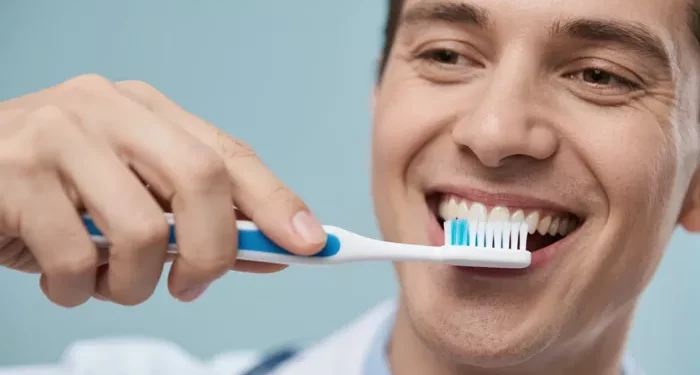
For years, many Americans have been misled to use the wrong brushing tools and methods, which has damaged their teeth. Chicago dentist Dr. Joy Boscozim pointed out that this rough cleaning method does more harm than good.
“It is a common misconception that hard-bristled brushes are cleaner, but in fact, this will gradually wear away the enamel,” Boscozim said. This condition is called “toothbrush wear”, which makes teeth more brittle, thinner, and yellow in color, especially at the edge of the gums.
What’s more serious is that brushing hard can also cause gum irritation or even atrophy, exposing the roots of the teeth and giving the illusion that “the more you brush your teeth, the longer they are.”
“Since the 1950s, toothbrush manufacturers have introduced softer nylon bristles, but many people still prefer medium-hard or even hard bristles,” Boscozim told The Washington Post.
If you like the feeling of bristles being “more present,” she recommends choosing an electric toothbrush, such as the Sonicare series. “They have soft bristles, but because they have a two-minute timer, you can brush more thoroughly and have a more intense brushing experience.”
According to data, the average American brushes his teeth for only 37 seconds a day, far less than the two minutes recommended by dental experts. Boscozim pointed out that many patients have been instilled with incorrect oral care concepts since childhood, and these habits even continue into adulthood and even old age.
Common misconceptions include:
The harder the toothbrush, the better;
Not flossing properly;
Not going to the dentist unless you have a toothache;
No need to see a dentist when baby teeth grow;
Proactively removing all teeth to prevent toothache;
In some parts of the South, the practice of wearing full dentures at the age of 16 still exists.
In fact, dental knowledge has advanced significantly since the late 1990s. For example, it used to be believed that fluoride only prevented bacterial erosion by binding to calcium on the surface of tooth enamel.
But now science shows that fluoride can also prevent the loss of trace elements inside the teeth, help maintain tooth “remineralization”, and make teeth stronger.
In addition, there are some old ideas that need to be broken, such as “brushing teeth once a day is enough” or “brushing teeth before breakfast”. Boskozim emphasized that the real purpose of brushing teeth is to reduce oral bacteria and remove residual food to prevent tooth decay and plaque. Therefore, brushing teeth after meals is more conducive to oral health.
In short, it’s time to abandon old habits and adopt scientific, gentle and effective brushing methods to protect your smile.