


Every night, many families have to go through a “teeth-brushing battle”. Although parents have tried everything from playing parenting podcasts, buying Bluey cartoon character toothbrushes, to letting their children watch the Heeler family to distract their attention, the end result is often unsatisfactory.
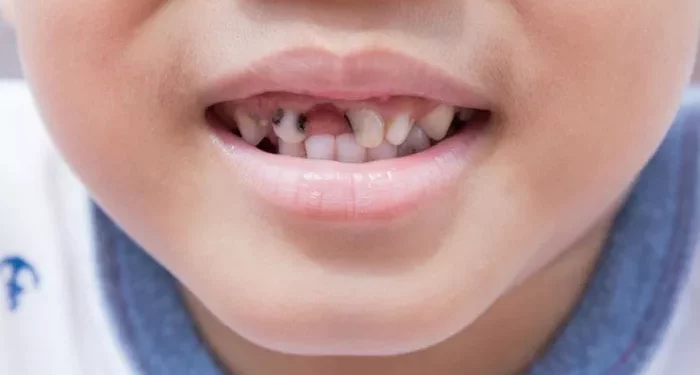
Tooth decay is getting worse among Australian children. Data shows that 4 out of 10 children have dental problems before going to school. Many parents don’t know that children should start seeing a dentist from the age of one, and worrying about their children’s fear and high costs also become barriers to seeing a dentist.
Tim Keys, a pediatric dentist on the Sunshine Coast and head of policy at the Australian Academy of Children’s Dentistry, said bluntly: “Brushing children’s teeth is a terrible thing.” He reminded parents that they should start brushing their children’s teeth with fluoride toothpaste from the time their first tooth grows, and take their children to the dentist between the ages of 1 and 2.
“About one in five children have enamel defects, and the earlier you get professional advice, the more likely your child will suffer from dental problems later in life,” he said. He also called for an update to Australia’s fluoride guidelines, saying current recommendations may be “too lenient” than in other countries.
Even conscientious parents can’t completely avoid tooth decay. Jill Tomlinson, a hand surgeon and former president of the Australian Medical Association in Victoria, is a mother of three who has been personally supervising her children’s tooth brushing with her husband. But during a routine check-up before her daughter went to school, she still found a cavity in her tooth.
“I feel guilty and feel bad about the child’s possible future treatment,” she said. Although the dentist explained that the dental problems might be caused by poor development, she still felt a certain responsibility.
In her view, it’s not “bad parents” but “we are all trying our best.”
High costs are also an important factor that prevents children from seeing a dentist. Currently, only a very small number of Australian children can get dental services through health insurance, and politicians are promising to increase coverage every year.
Harleen Kumar, director of pediatric dentistry at Sydney Dental Hospital, pointed out that the increase in hidden sugars in children’s diets is another major cause of tooth decay. Packaged flavored yogurts, fruit juices and sugary cereals are all “culprits” of tooth decay.
She called for clearer labeling of sugar content on food packaging, such as clearly marking the number of teaspoons of sugar per 100 grams on cereal boxes, and making clearer daily sugar intake recommendations.
Jilen Patel, a scholar at the University of Western Australia and consultant pediatric dentist at Perth Children’s Hospital, pointed out that existing data shows that 42% of Australian children suffer from tooth decay before school, but he believes that the real number is higher. The most serious 10% of the population bears nearly half of the tooth decay burden.
“We often see two or three-year-old children hospitalized for severe tooth decay in the hospital, sometimes up to 25 a day.” He said. This shows that we are already behind in prevention.
So, when should children start brushing their teeth independently? Dr. Kumar says that children don’t have enough hand coordination to brush their teeth properly until they can tie their own shoes. Until then, parents must intervene and supervise.
She also emphasizes a key point that is often overlooked: “Spit out the foam, but don’t rinse your mouth” after brushing your teeth. This way, the fluoride in the toothpaste has a chance to play a more lasting protective role.
As for the amount of toothpaste to use, Kumar recommends: a rice-sized amount for children under six years old and a pea-sized amount for children over six years old.
Even 10-year-olds sometimes need reminders and supervision. Kumar admits that her daughter is already 10 years old, but sometimes she still misses some areas. She said: “Children always want to deal with things quickly, and we tend to overlook details, especially when there are multiple children in the family.”