


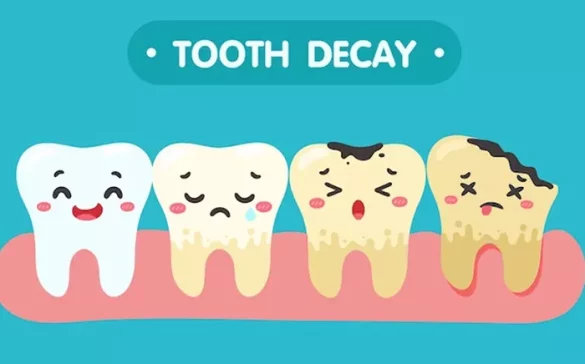
Tooth decay, also known as dental caries or cavities, remains one of the most common oral health problems worldwide. It results from the breakdown of tooth enamel caused by acids produced by bacteria in plaque. If left untreated, tooth decay can progress to sensitive teeth, gum disease, and eventually tooth loss. Fortunately, modern dental science and preventive care techniques in 2025 offer effective ways to reverse early tooth decay and maintain healthy teeth. This article explores the top 10 best ways to reverse tooth decay with detailed explanations, backed by current research and clinical practices.
1. Effective Use of Fluoride Treatments
How Fluoride Works to Remineralize Teeth
Fluoride is a mineral that plays a critical role in strengthening tooth enamel. It helps reverse early decay by promoting remineralization — the process by which minerals lost from the enamel are restored. Professional fluoride varnishes or gels applied by dental experts can penetrate weak enamel areas, making teeth more resistant to acid attacks from plaque bacteria. Over-the-counter fluoride toothpaste and mouth rinses also contribute to daily enamel repair.
Application and Frequency
For those at higher risk of tooth decay or with early signs of cavities, dentists recommend fluoride treatments every 3 to 6 months. Home use of fluoride toothpaste twice daily and fluoride mouthwash once daily enhances enamel protection and helps reduce the chance of developing sensitive teeth linked to enamel erosion.
2. Maintaining Excellent Oral Hygiene
Brushing and Flossing Techniques
Proper oral hygiene is foundational in reversing tooth decay. Brushing teeth twice daily with a soft-bristled toothbrush and fluoride toothpaste removes plaque — the sticky film of bacteria that produces acid. Flossing daily cleans the interdental spaces where toothbrushes can’t reach, preventing gum disease and decay between teeth.
Choosing the Right Tools
Electric toothbrushes with pressure sensors can improve plaque removal and reduce gum trauma. Interdental brushes or water flossers provide alternatives for effective cleaning between teeth, especially for patients with sensitive teeth or gum inflammation.
3. Dietary Modifications to Reduce Acid Exposure
Limiting Sugary and Acidic Foods
The primary cause of tooth decay is acid production by bacteria feeding on sugars in the diet. Reducing consumption of sugary snacks, sodas, fruit juices, and acidic foods (like citrus) lowers acid attacks on enamel. Frequent snacking should be avoided, as it prolongs acid exposure and hampers enamel repair.
Incorporating Tooth-Friendly Foods
Foods rich in calcium, phosphate, and vitamins help strengthen teeth naturally. Dairy products like cheese and yogurt neutralize acids and promote remineralization. Crunchy vegetables stimulate saliva production, which acts as a natural buffer against acids and supplies minerals essential for enamel repair.
4. Use of Remineralizing Agents Beyond Fluoride
Casein Phosphopeptide-Amorphous Calcium Phosphate (CPP-ACP)
CPP-ACP is a milk-derived compound that stabilizes calcium and phosphate ions and delivers them to tooth surfaces. Clinical studies show it enhances enamel remineralization, especially when combined with fluoride. Products containing CPP-ACP, like special dental creams, are recommended for patients with early decay or sensitive teeth.
Other Emerging Agents
New remineralizing agents, such as bioactive glass and nanohydroxyapatite, are gaining attention for their ability to repair enamel micro-defects and reduce dentin hypersensitivity. These agents work by filling microscopic gaps and supporting natural mineral replacement processes.
5. Professional Dental Cleanings and Early Intervention
Importance of Regular Dental Check-Ups
Routine dental visits allow early detection of tooth decay before it progresses. Professional cleanings remove hardened plaque (calculus) that can harbor bacteria, reducing gum inflammation and risk of gum disease. Early-stage cavities can sometimes be arrested or reversed through minimally invasive treatments during these visits.
Minimally Invasive Treatments
Techniques like resin infiltration or sealants can block acid penetration into enamel pores, stopping decay progression. Dentists may also recommend customized fluoride trays for home use, enhancing fluoride contact with vulnerable tooth areas.
6. Managing Sensitive Teeth to Support Recovery
Connection Between Sensitivity and Decay
Sensitive teeth often indicate enamel erosion or gum recession exposing dentin, a porous layer beneath enamel. Managing sensitivity is vital to patient comfort and maintaining proper oral care routines that promote remineralization. Ignoring sensitivity may lead to neglect of oral hygiene and worsening decay.
Treatment Options
Desensitizing toothpaste containing potassium nitrate or strontium chloride helps block nerve signals and reduce sensitivity. Professional applications of fluoride varnish or bonding agents protect exposed dentin. Addressing underlying gum disease through scaling and root planing also helps reduce sensitivity caused by inflamed gums.
7. Enhancing Saliva Flow and Quality
Role of Saliva in Oral Health
Saliva acts as a natural defense against tooth decay by neutralizing acids, washing away food particles, and supplying minerals for enamel repair. Low saliva flow (xerostomia) increases risk of decay, sensitivity, and gum disease. Promoting saliva production is a key strategy in reversing tooth decay.
Methods to Stimulate Saliva
Chewing sugar-free gum, especially those containing xylitol, stimulates saliva and inhibits decay-causing bacteria. Staying well-hydrated, avoiding tobacco and alcohol, and using saliva substitutes can improve saliva quality. Dentists may recommend prescription medications to stimulate saliva for patients with chronic dry mouth.
8. Sealants to Protect Vulnerable Tooth Surfaces
What Are Dental Sealants?
Sealants are thin protective coatings applied on chewing surfaces of molars and premolars. They fill pits and fissures that are hard to clean and prone to plaque accumulation. Sealants act as physical barriers, preventing acid penetration and halting decay in its early stages.
Who Benefits Most?
Children and adults with deep grooves or early signs of decay benefit from sealants. The procedure is painless, quick, and can be combined with fluoride treatments for enhanced protection.
9. Avoiding Harmful Habits That Accelerate Decay
Habits That Impact Tooth Health
Frequent consumption of sugary drinks, tobacco use, and excessive alcohol intake damage enamel and reduce the mouth’s ability to fight bacteria. Nail biting, chewing on hard objects, and improper use of teeth as tools increase risk of cracks and chips, creating entry points for decay.
Behavioral Changes for Prevention
Limiting sugary snacks and drinks, quitting smoking, and moderating alcohol consumption are crucial for oral health. Using teeth only for chewing food and protecting teeth with mouthguards during sports prevents physical damage and decay progression.
10. Emerging Technologies and Personalized Dental Care
Role of Artificial Intelligence and Diagnostics
Advances in AI-powered imaging and diagnostics help dentists detect tooth decay at microscopic levels. Early detection enables customized treatment plans that focus on reversing decay before invasive procedures become necessary.
Tailored Preventive Strategies
Personalized oral care recommendations based on genetic, dietary, and lifestyle factors enhance effectiveness. Products with specific formulations target individual needs such as sensitive teeth or gum disease, optimizing the reversal process.
Conclusion
Reversing tooth decay in 2025 is achievable through a combination of fluoride use, good oral hygiene, dietary control, professional care, and the latest dental technologies. Addressing sensitive teeth and gum disease as part of this holistic strategy improves patient comfort and oral health outcomes. Consistent implementation of these top 10 best practices empowers individuals to maintain strong, healthy teeth and prevent the progression of decay.