


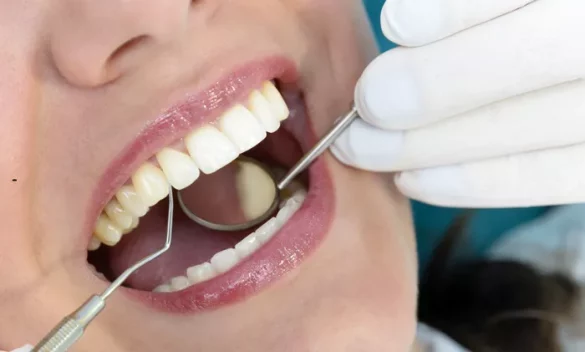
A cavity at the gum line is a common dental issue that often goes unnoticed until it causes discomfort. It occurs when tooth decay develops at the junction where the tooth meets the gum. This location makes it prone to unique challenges and symptoms.
Understanding what a cavity at the gum line looks like is important for early detection and treatment. It helps prevent further dental problems such as gum disease and tooth sensitivity.
What Is A Cavity at the Gum Line?
Definition and Location
A cavity at the gum line, also called a root surface cavity or cervical caries, develops on the part of the tooth near or just below the gum margin. Unlike typical cavities that affect the crown of the tooth, this type targets the tooth’s neck area where enamel is thinner and sometimes exposed due to gum recession.
Why is This Area Vulnerable?
The gum line is vulnerable because it often has less enamel protection. When gums recede, the softer dentin underneath is exposed. This exposed dentin decays faster than enamel, making cavities at this site more aggressive and harder to notice early.
Visual Signs of a Cavity at the Gum Line
Color Changes
One of the first signs of a cavity at the gum line is discoloration. The affected area may appear as a small spot or patch that is:
White or chalky: Early demineralization causes the tooth surface to lose its shine and look whitish.
Yellowish or brown: As decay progresses, stains develop due to bacterial activity and food debris accumulation.
Dark brown or black: Advanced decay can turn the area dark, signaling deeper damage.
Texture and Surface Changes
The surface of the tooth at the gum line may feel rough or sticky when touched with the tongue or dental instruments. You might notice:
- Small pits or holes forming near the gum margin.
- A softened or crumbly texture indicating enamel breakdown.
- Visible cracks or grooves developing as decay worsens.
Swelling or Gum Changes Around the Cavity
Since the cavity is close to the gums, you may observe mild gum inflammation or swelling around the affected site. This can cause redness or tenderness, signaling early gum disease developing alongside the cavity.
Symptoms Associated with Cavities at the Gum Line
Tooth Sensitivity
Sensitive teeth is a common symptom when a cavity forms at the gum line. You might experience sharp pain or discomfort when consuming:
- Hot or cold foods and drinks.
- Sweet or acidic substances.
- Cold air or even brushing near the affected area.
This sensitivity occurs because the decay exposes dentin tubules, which connect to nerve endings inside the tooth.
Discomfort or Pain
Pain might start as mild and intermittent but can become persistent as the cavity progresses. You may notice:
- Dull aching near the gum line.
- Pain when biting or chewing.
- Sharp jolts of pain triggered by temperature changes.
Gum Bleeding and Irritation
The proximity of the cavity to the gums may lead to bleeding during brushing or flossing. This bleeding is often linked to gum irritation and early gum disease caused by plaque accumulation near the cavity.
How to Diagnose a Cavity at the Gum Line
Professional Dental Examination
Dental professionals use visual inspection combined with tactile probing to detect cavities at the gum line. They look for color changes, soft spots, and any surface irregularities.
X-rays and Imaging
Since some cavities at the gum line may be hidden beneath the gums or difficult to see, dental X-rays help identify decay extending below the gum margin or between teeth.
Patient Symptoms and History
Your dentist will also ask about symptoms such as sensitive teeth, gum bleeding, and pain patterns to aid diagnosis.
Causes and Risk Factors of Cavities at the Gum Line
Poor Oral Hygiene
Inadequate brushing and flossing allow plaque and bacteria to accumulate near the gum line, promoting decay.
Gum Recession
Receding gums expose dentin surfaces that are less resistant to acid attack compared to enamel.
Diet High in Sugars and Acids
Frequent consumption of sugary and acidic foods increases the risk of cavity formation.
Brushing Technique
Aggressive brushing with a hard-bristled toothbrush can cause gum recession, increasing vulnerability at the gum line.
Dry Mouth
Reduced saliva flow lowers the mouth’s ability to neutralize acids and wash away food debris.
Complications of Untreated Cavities at the Gum Line
Progression to Deeper Decay
If untreated, the cavity will extend deeper into the tooth root, potentially reaching the pulp and causing infection.
Increased Risk of Gum Disease
The decay and bacterial buildup near the gum line can worsen gum disease, leading to gingivitis or periodontitis.
Tooth Sensitivity and Pain Worsening
The exposed dentin and infection cause increasing sensitivity and severe pain, affecting daily life.
Tooth Mobility and Loss
Advanced decay combined with gum disease can weaken tooth support, leading to loosening or tooth loss.
Treatment Options for Cavities at the Gum Line
Early-Stage Treatment
Fluoride treatments and improved oral hygiene may help remineralize early lesions.
Restorative Procedures
For more advanced cavities, dentists typically use fillings to restore the tooth’s structure. Materials used include composite resin that matches the tooth color.
Gum Care and Management
Treating any accompanying gum disease is critical. This may involve professional cleaning, scaling, and root planing to remove plaque and tartar.
Severe Cases
If the decay reaches the pulp, root canal treatment might be necessary. In cases of severe damage, extraction may be the last resort.
Preventing Cavities at the Gum Line
Maintain Good Oral Hygiene
Brush twice daily with a soft-bristled toothbrush and fluoride toothpaste. Pay attention to the gum line area to remove plaque.
Use Proper Brushing Techniques
A gentle circular brushing motion protects gums and cleans the gum line effectively.
Floss Daily
Flossing removes food particles and plaque from between teeth and near the gums, preventing decay and gum inflammation.
Regular Dental Checkups
Visit your dentist every six months for professional cleaning and early detection of any problems.
Healthy Diet
Limit sugary and acidic foods and drinks to reduce the risk of decay.
Manage Dry Mouth
Stay hydrated and discuss with your dentist if medications or conditions reduce saliva flow.
Conclusion
A cavity at the gum line can look like a discoloration or rough spot near the gum margin. It often causes sensitive teeth and can lead to gum disease if untreated. Early detection through careful observation and regular dental visits is crucial. Good oral hygiene, proper brushing, and a balanced diet help prevent cavities at this vulnerable site. If you notice any signs of decay near your gums, consult your dentist promptly to avoid serious complications.