


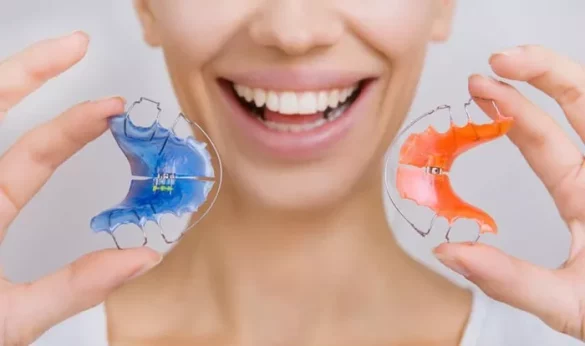
After months or even years of wearing braces, many patients look forward to finally seeing their perfect smile. However, the journey does not end when the braces come off. Retainers play a critical role in maintaining the new position of your teeth and ensuring long-term dental health. Choosing the right retainer is essential not only to keep your teeth straight but also to prevent dental issues like gum disease and sensitivity.
Why Are Retainers Necessary After Braces?
Once braces are removed, your teeth tend to shift back to their original positions. This is due to the elasticity of the surrounding gums and bone structure. Retainers help stabilize your teeth by holding them in place until your bone and gums adapt to the new alignment. Without retainers, relapse is common, causing misalignment and potentially worsening gum disease or increasing tooth sensitivity.
Types of Retainers and Their Advantages
1. Hawley Retainers
The Hawley retainer is a classic removable option made of a metal wire that wraps around the front teeth and an acrylic plate that sits against the roof of the mouth or along the inside of the lower teeth.
Durability: Hawley retainers are strong and long-lasting.
Adjustability: The wire can be adjusted by an orthodontist for minor tooth movements.
Cleaning: Easy to clean since it is removable.
Considerations: Some find the metal wire uncomfortable or cosmetically unappealing.
2. Clear Plastic Retainers (Essix Retainers)
Essix retainers are transparent, removable retainers molded to fit tightly over the teeth. They are popular because of their near invisibility.
Aesthetics: Virtually invisible, ideal for adults and teens.
Comfort: Lightweight and comfortable to wear.
Limitations: Less durable than Hawley retainers and may crack or wear out faster.
Hygiene: Must be cleaned regularly to prevent buildup that can lead to gum irritation or disease.
3. Fixed (Permanent) Retainers
These retainers consist of a thin wire bonded to the back of the front teeth. They are not removable and provide continuous support.
Effectiveness: Excellent for preventing tooth movement, especially for lower front teeth.
Compliance: No need to remember to wear them daily.
Hygiene Concerns: Require careful brushing and flossing to avoid plaque buildup that can cause gum disease or tooth sensitivity.
Repair: May occasionally need professional maintenance if the wire detaches.
How to Choose the Best Retainer for You
Choosing the best retainer depends on several factors including lifestyle, dental health, and orthodontist recommendations.
Consider Your Oral Health
If you have a history of gum disease or sensitive teeth, some retainers may be better suited for you. For example, removable retainers allow for better oral hygiene since you can clean your teeth and gums thoroughly. Fixed retainers, while effective, require extra care to prevent plaque buildup around the wire.
Evaluate Comfort and Convenience
Some patients find fixed retainers easier since they don’t need to remember to wear them. Others prefer removable retainers for the freedom to eat and brush without obstruction. Clear plastic retainers offer comfort and aesthetics, but may not last as long and can cause sensitivity if worn too long without breaks.
Assess Your Commitment
Removable retainers require discipline to wear as directed, often full-time initially, then nightly. Fixed retainers offer constant support but require excellent hygiene to prevent gum problems. Discuss your daily routine and habits with your orthodontist to find the best match.
Taking Care of Your Retainer to Protect Teeth and Gums
Proper care of retainers is essential to avoid problems like gum disease and sensitive teeth. Bacteria can accumulate on retainers and irritate your gums or lead to cavities if not cleaned regularly.
Cleaning Removable Retainers
Remove the retainer before eating and brush it gently with a toothbrush and mild soap or toothpaste. Avoid hot water, which can warp the plastic. Use specialized cleaning tablets once a week to kill bacteria and prevent odors.
Cleaning Fixed Retainers
Use floss threaders or interdental brushes to clean around the bonded wire carefully. Regular dental checkups and professional cleanings help prevent plaque buildup that can cause gum disease and tooth sensitivity.
Manage Sensitive Teeth While Wearing Retainers
Retainers should not cause pain, but sometimes sensitivity can occur due to pressure or improper fit. Talk to your orthodontist if you experience discomfort. Using toothpaste for sensitive teeth can help ease minor sensitivity issues.
Common Problems With Retainers and How to Fix Them
Retainer Damage or Loss
Removable retainers are prone to cracking or loss. Always store your retainer in its case when not in use to avoid damage or accidental disposal.
Gum Irritation and Inflammation
Poor retainer hygiene can cause gum irritation, swelling, or even gum disease. Maintain strict cleaning routines and consult your dentist if irritation persists.
Teeth Shifting Despite Retainer Use
If you notice your teeth moving, the retainer might not fit properly anymore. See your orthodontist promptly to adjust or replace it.
Retainers and Gum Disease: What You Need to Know
Gum disease can affect anyone, but wearing retainers improperly or neglecting oral hygiene can increase your risk. Bacteria trapped under retainers or around fixed wires can inflame gums and cause bleeding, swelling, or worse. This is why good oral care, regular dental visits, and proper retainer cleaning are critical for both your smile and overall health.
Tips for Maintaining Healthy Teeth and Gums With Retainers
Brush teeth twice daily with fluoride toothpaste, especially around retainers.
Floss daily using floss threaders if you have a fixed retainer.
Remove and clean removable retainers daily.
Visit your dentist regularly for professional cleanings and checkups.
Use mouthwash to reduce bacteria and freshen breath.
Avoid sugary or acidic foods that can worsen tooth sensitivity or damage enamel.
How Long Should You Wear a Retainer After Braces?
Most orthodontists recommend full-time retainer wear for the first 3 to 6 months after braces removal, then switching to nighttime wear indefinitely. Teeth can shift throughout life due to natural aging and jaw changes, so retainers may be needed long-term to maintain your smile and prevent relapse.
Consult Your Orthodontist Regularly
Every patient’s needs differ. Your orthodontist will guide you on the best type of retainer, how often to wear it, and when adjustments or replacements are needed. Regular checkups ensure your retainer fits well and your oral health stays optimal.
Conclusion
Choosing the best retainer depends on your dental health, lifestyle, and orthodontic advice. Whether you opt for a Hawley, clear plastic, or fixed retainer, the goal is to keep your teeth aligned and protect your gums and teeth from disease and sensitivity. Proper care, cleaning, and regular dental visits are key to a healthy, lasting smile.