


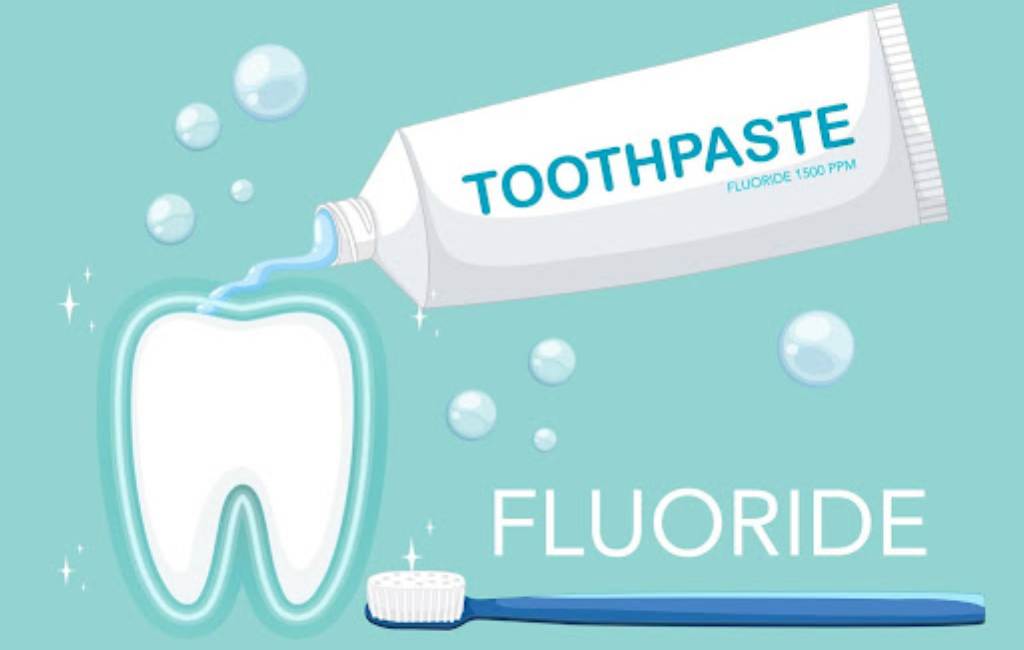
For decades, fluoride has been a topic of public debate. Despite the controversy, dentists and major health organizations worldwide continue to stand by its benefits for oral health. You’ll find it added to many public water supplies and, most commonly, in your toothpaste.
So, what’s the real story? Is fluoride a helpful mineral or a harmful additive? This post will explain what fluoride is, how it works, and why it remains a cornerstone of preventive dental care. We’ll look at the science-backed benefits, potential risks, and help you understand if fluoride toothpaste is the right choice for you and your family.
What Is Fluoride and How Does It Work?
Fluoride is a naturally occurring mineral found in soil, rocks, and water sources like rivers and oceans. Its powerful effect on dental health was discovered in the early 20th century when researchers noticed that communities with naturally higher levels of fluoride in their drinking water had significantly fewer cavities.
This discovery led to the practice of community water fluoridation and the addition of fluoride to dental products. But how does it protect your teeth?
Your teeth are constantly engaged in a battle of demineralization and remineralization. When you eat sugary and acidic foods, the bacteria in your mouth produce acids that strip minerals (like calcium and phosphate) from your tooth enamel. This is demineralization, and it weakens your teeth, making them vulnerable to decay.
Fluoride helps by tipping the scales in favor of remineralization. It works in two main ways:
- It strengthens enamel: When fluoride is present in your saliva, it gets incorporated into the surface of your teeth, creating a new, more acid-resistant crystal structure called fluorapatite. This makes your enamel harder and less susceptible to acid attacks.
- It reverses early decay: Fluoride helps replenish the lost calcium and phosphate, effectively reversing the early stages of tooth decay before a cavity can form.
When you use fluoride in toothpaste, you’re delivering this protective mineral directly to the surface of your teeth, bolstering their natural defense system every time you brush.
The Benefits of Fluoride for Your Teeth
The evidence supporting fluoride’s role in oral health is overwhelming. Major health bodies, including the American Dental Association (ADA), the Centers for Disease Control and Prevention (CDC), and the World Health Organization (WHO), all endorse its use for preventing tooth decay.
Here are the key fluoride benefits for teeth:
- Prevents Cavities: This is fluoride’s most well-known benefit. The CDC has called community water fluoridation one of the 10 great public health achievements of the 20th century because of its dramatic impact on reducing cavities, especially in children.
- Strengthens Enamel: Fluoride makes teeth more resilient against the daily barrage of acids from food and drinks. This is particularly important for people with naturally weaker enamel or those at high risk for decay.
- Reverses Early Tooth Decay: Before a cavity fully forms, it often starts as a small, demineralized spot on the tooth. Fluoride can help remineralize these weak spots, stopping decay in its tracks.
Is Fluoride Toothpaste Safe?
With so many benefits, why is there any debate about its safety? Most concerns stem from the risks of overexposure. However, when it comes to toothpaste, the consensus is clear: fluoride toothpaste safety is well-established when used as directed.
The American Dental Association only places its Seal of Acceptance on toothpastes that contain fluoride, as this is the only ingredient proven to actively prevent cavities. The amount of fluoride in ADA-accepted toothpaste is carefully regulated to be effective without posing a risk to your health. For the vast majority of people, the daily use of fluoride toothpaste is a safe and essential part of a healthy oral hygiene routine.
Potential Fluoride Side Effects from Overexposure
Like many minerals essential for our health (such as iron or calcium), too much fluoride can have negative effects. It’s important to understand that these fluoride side effects are typically associated with consuming fluoride in excessive amounts over a long period, not from the topical application of toothpaste as directed.
- Dental Fluorosis: This condition affects the appearance of tooth enamel and occurs when children consume too much fluoride while their permanent teeth are still developing under the gums (usually under age 8). It typically appears as faint white lines or spots on the teeth. In most cases, it is very mild and only noticeable to a dental professional. Severe fluorosis is rare in the United States.
- Skeletal Fluorosis: This is a rare and severe bone disease caused by long-term exposure to extremely high levels of fluoride, usually from contaminated drinking water in specific parts of the world. It is not a risk associated with using fluoride toothpaste in North America.
- Stomach Upset: Swallowing a large amount of toothpaste at once can cause nausea or an upset stomach. This is why it’s crucial to supervise young children while brushing and teach them to spit out the toothpaste.
It’s also worth noting that many exaggerated claims linking fluoride to serious health problems lack scientific support. The established, peer-reviewed evidence continues to confirm that fluoride, when used appropriately, is a safe and effective public health measure.
Fluoride vs. Non-Fluoride Toothpaste
The toothpaste aisle offers more choices than ever, including a growing number of fluoride-free options. So, what’s the difference when comparing fluoride vs. non-fluoride toothpaste?
- Fluoride Toothpaste: Contains the only active ingredient scientifically proven to prevent and reverse early tooth decay. It is the standard recommendation from dentists for most patients.
- Non-Fluoride Toothpaste: Relies on other ingredients like xylitol, charcoal, or essential oils to clean teeth and freshen breath. While these can help remove plaque, they do not offer the same enamel-strengthening and cavity-fighting power as fluoride.
Non-fluoride toothpaste might be a suitable choice in a few specific situations, such as for toddlers under the age of 2 or for individuals with a rare fluoride allergy. However, for most children and adults, a fluoride toothpaste is the superior choice for preventing cavities.
Who Should Use Fluoride Toothpaste?
Fluoride toothpaste is recommended for almost everyone, but it is particularly beneficial for:
- Children: As soon as a child’s first tooth appears, the ADA recommends brushing with a tiny smear of fluoride toothpaste (the size of a grain of rice). Once a child is 3 years old, this can be increased to a pea-sized amount.
- Adults at High Risk for Cavities: Factors like a diet high in sugar, dry mouth (which reduces protective saliva), or a history of frequent cavities make fluoride toothpaste essential.
- Individuals with Weak Enamel or Sensitivity: Fluoride can help strengthen enamel and reduce tooth sensitivity by protecting the tooth structure.
A Foundation for a Healthy Smile
Fluoride remains one of the most effective tools we have in the fight against tooth decay. When used correctly in products like toothpaste, it is safe, effective, and recommended by dental professionals around the world. The benefits of strengthening your teeth and preventing painful, costly cavities far outweigh the minimal risks, which are easily managed with proper use.
If you have specific concerns about your oral health or are unsure which toothpaste is right for you, the best next step is to talk to your dentist. They can assess your individual needs and help you build a dental care routine that keeps your smile bright and healthy for years to come.
Frequently Asked Questions
Is fluoride safe in toothpaste?
Yes, fluoride is safe and effective when used as directed in toothpaste. The amount is regulated by health authorities like the FDA, and the American Dental Association only gives its Seal of Acceptance to fluoride toothpastes.
What are the side effects of fluoride?
The most common side effect is dental fluorosis, which causes faint white spots on teeth and results from consuming too much fluoride as a child. This is primarily a cosmetic issue and can be prevented by using the recommended amount of toothpaste. Other side effects are extremely rare and associated with ingesting very high levels of fluoride.
Can too much fluoride harm your health?
Yes, ingesting extremely high levels of fluoride over a long period can be harmful, potentially leading to a rare bone condition called skeletal fluorosis. However, this is not a risk associated with using fluoride toothpaste as intended.
Should kids use fluoride toothpaste?
Yes. The ADA recommends using a rice-sized smear of fluoride toothpaste for children under 3 and a pea-sized amount for children ages 3 to 6. Parents should supervise brushing to ensure children spit out the toothpaste instead of swallowing it.
Should kids use fluoride toothpaste?
For preventing cavities, fluoride toothpaste is scientifically proven to be better. Non-fluoride toothpastes can clean teeth but lack the enamel-strengthening properties of fluoride, making them less effective at fighting tooth decay.