


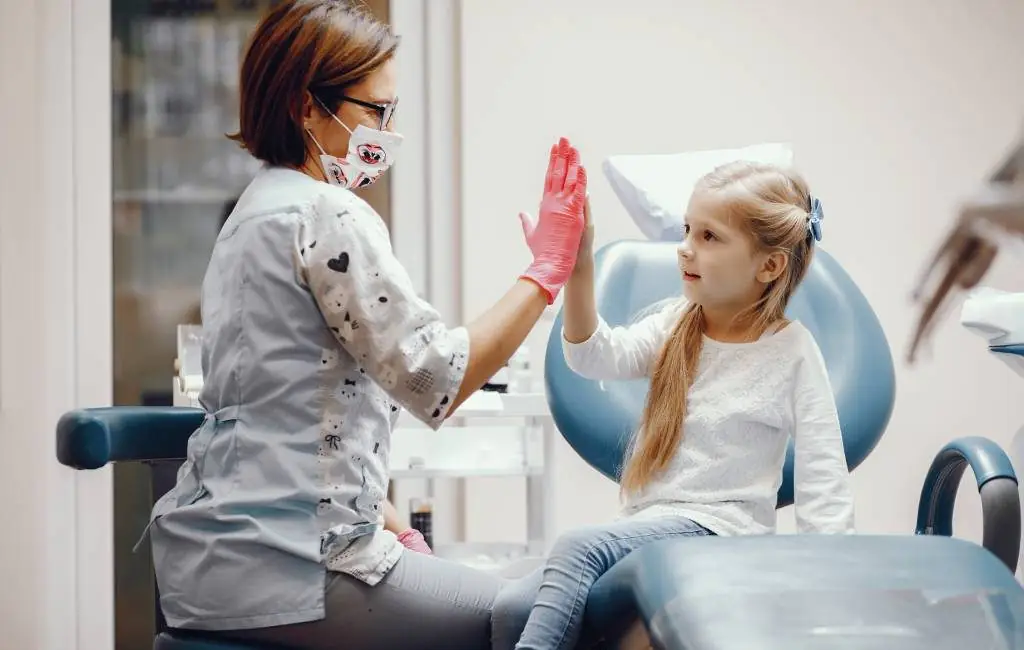
Good oral health is a foundation for your child’s overall well-being, yet many kids face preventable dental problems that can affect their health, confidence, and ability to eat or speak properly. Understanding these common issues and how to prevent them is key to raising healthy, cavity-free kids.
This blog dives into the most common dental issues children face, like cavities, gum disease, and misaligned teeth, as well as tools you can use to prevent them. By the end, you’ll have actionable steps to keep your child’s smile bright and healthy.
Common Dental Issues in Children
Tooth Decay (Cavities)
Tooth decay is by far the most common dental problem in children, with studies showing that nearly 1 in 5 children aged 5–11 have untreated cavities. Dental cavities develop when plaque—a sticky film of bacteria—builds up on teeth, producing acid that erodes the enamel. This is often caused by sugary snacks, poor oral hygiene, or a lack of fluoride.
- Signs: Sensitivity to hot or cold, pain in the teeth, or visible holes.
- Key takeaway: Untreated cavities can lead to infections and more complex issues, so early intervention is critical.
Gum Disease (Gingivitis)
While gum disease is often associated with adults, children aren’t immune. Gingivitis—the early stage of gum disease—occurs when plaque builds up along the gumline, causing inflammation and redness.
- Signs: Swollen or bleeding gums, especially after brushing.
- Key takeaway: Consistent brushing and flossing can usually reverse gingivitis in its early stages.
Tooth Sensitivity
Sensitive teeth can cause discomfort when eating or drinking hot, cold, sugary, or acidic foods. This issue may develop due to thinning enamel, cavities, or gum recession.
- Signs: Complaints of pain when consuming certain foods or drinks.
- Key takeaway: Addressing enamel erosion and maintaining oral hygiene can help reduce sensitivity.
Misaligned Teeth (Malocclusion)
Many children deal with alignment issues, often because of thumb-sucking, genetics, or premature tooth loss. Malocclusion, or misaligned teeth, can affect chewing and speaking and sometimes lead to jaw pain.
- Signs: Overbites, underbites, or visibly crooked teeth.
- Key takeaway: Early orthodontic assessments can identify alignment issues and potentially reduce treatment time later.
Thumb-Sucking and Pacifier Dependence
While it’s normal for babies and toddlers to suck their thumbs or use pacifiers, prolonged dependence can impact the growth and alignment of teeth as well as the jaw structure.
- Signs: Protruding front teeth or an open bite.
- Key takeaway: Breaking these habits by age 3 is crucial for healthy oral development.
Early Tooth Loss
Children occasionally lose their baby teeth prematurely due to decay, injury, or other conditions. Early tooth loss can lead to problems such as misalignment when permanent teeth come in.
- Signs: Missing teeth before the expected age.
- Key takeaway: Preventive dental care and using space maintainers can address this issue.
Dental Trauma (Chipped or Knocked-Out Teeth)
Active kids engage in sports and play, making falls and accidents common causes of dental trauma. A chipped or knocked-out tooth can lead to pain, infection, or even long-term aesthetic concerns.
- Signs: Pain, visible cracks, or missing teeth.
- Key takeaway: Teach your children to use mouthguards when participating in sports.
Bad Breath (Halitosis)
Bad breath in kids is often temporary, caused by a food choice (hello, onions!) or dry mouth. However, in some cases, it may point to an underlying dental or medical issue.
- Signs: Persistent bad breath despite regular brushing.
- Key takeaway: Proper brushing and flossing often resolve this problem.
Teeth Grinding (Bruxism)
Grinding teeth during sleep is common in children and may be linked to stress, misaligned teeth, or even sleep disorders. It can lead to enamel wear, headaches, and jaw pain.
- Signs: Complaints of jaw pain or squeaking sounds at night.
- Key takeaway: Consult a dentist if the behavior persists or causes damage to teeth.
How to Prevent Common Dental Issues in Children
Prevention is better than cure. Here are steps to ensure your child develops healthy dental habits early on:
1. Establish a Proper Oral Hygiene Routine
- Teach your kids to brush twice daily for two minutes using fluoride toothpaste.
- Introduce flossing once their teeth start touching.
Fun tip: Use a timer or a catchy toothbrushing song to make it enjoyable!
2. Encourage Healthy Eating Habits
- Cut back on sugary snacks and drinks, which can lead to cavities.
- Offer teeth-friendly snacks like cheese, apples, and carrots that naturally clean teeth.
3. Regular Dental Check-Ups
Schedule dental visits every six months. These appointments help catch issues early, and most dentists offer cleanings that promote oral health.
4. Fluoride Treatments and Sealants
Ask your dentist about fluoride treatments and dental sealants.
- Fluoride treatments strengthen enamel and reduce cavity risk.
- Sealants provide a protective coating over molars to guard against decay.
5. Breaking Harmful Oral Habits
Help your child break thumb-sucking and pacifier habits early.
Pro-tips include:
- Creating a reward system for reducing these habits.
- Providing comfort items like soft toys to replace the pacifier or thumb.
6. Using Mouthguards for Protection
If your child plays contact sports, invest in a high-quality mouthguard to protect their teeth from trauma.
Take Action for Your Child’s Dental Health
Your child’s smile can last a lifetime—but it starts with good habits today. By addressing common dental issues and prioritizing prevention, you can set your child up for a future of confident, pain-free smiles.
For more tips, check out our other articles or schedule an appointment with your dentist in Leawood to discuss your child’s specific needs.
Frequently Asked Questions
1.When should my child first visit the dentist?
Children should see a dentist by their first birthday or within six months of their first tooth appearing.
2. Can baby teeth decay affect permanent teeth?
Yes. Untreated decay in baby teeth can lead to infections that may affect the development of permanent teeth.
3. How can I make brushing less stressful for my child?
Use fun apps, colorful toothbrushes featuring their favorite characters, or positive reinforcement like stickers to make brushing enjoyable.
4. Are fruit juices bad for my child’s teeth?
Many fruit juices are high in sugar and can cause cavities. Opt for water or milk, and if juice is given, it’s best to dilute it and serve it with meals.