


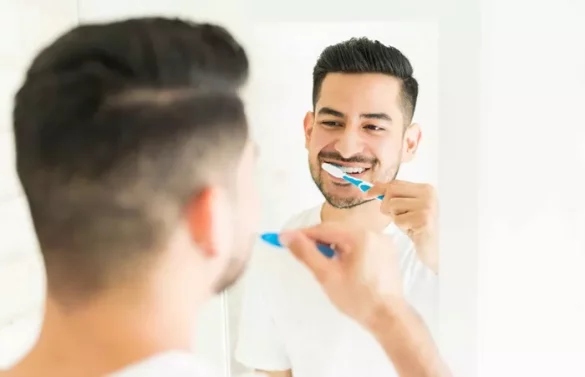
Many of us brush our teeth every morning, but are we doing it at the right time? According to dental experts, there is an ideal moment to brush that can better protect your oral health.
“Brushing your teeth in the morning isn’t just about fresh breath,” says Anjali Rajpal, DMD, founder of Beverly Hills Dental Arts. “It’s a vital step to safeguard both your oral and overall health.”
Research increasingly shows that good dental care affects more than just your mouth. “Oral health is closely linked to overall wellness,” explains Steven J. Katz, DDS, MS, president of the American Association of Endodontists. “Brushing, flossing, and regular dental visits help protect your heart, lungs, brain, and more.”
Before reaching for your toothbrush, consider these expert tips to optimize your morning routine and brush at the perfect time.
Should You Brush Before or After Breakfast?
Both Dr. Rajpal and Dr. Katz agree: if you brush only once in the morning, do it right after waking up, before eating.
“Brushing first thing removes plaque and bacteria that accumulate overnight,” Dr. Katz says. During sleep, saliva production decreases. Without saliva to rinse away bacteria, harmful germs build up on your teeth.
“If plaque stays on your teeth, it can cause tooth decay and gum disease,” Dr. Katz warns. This is especially true if you breathe through your mouth while sleeping. Mouth breathing dries out tissues and promotes plaque buildup, making morning brushing even more critical.
Brushing before breakfast also “coats your teeth with protective minerals like fluoride, calcium phosphate, or hydroxyapatite found in toothpaste,” says Dr. Rajpal. This protective layer guards your teeth against acid attacks from sugary or acidic foods you might eat for breakfast.
How to Improve Your Brushing Technique
Take your oral care further with these expert tips:
Floss first. Dr. Katz recommends flossing before brushing. Studies show flossing first removes more plaque and allows fluoride to reach between teeth better.
Don’t rush. “Most people brush for 30 to 45 seconds, but a full two minutes is needed to clean all tooth surfaces properly,” Dr. Rajpal advises. Use a timer or play a song to pace yourself.
Angle your brush. Hold your toothbrush at a 45-degree angle toward your gumline. This position cleans the area where plaque accumulates, where teeth meet gums. Don’t forget to brush your tongue as well.
Choose the right brush. A $3 manual brush can outperform an expensive electric one if used properly. However, electric brushes often have timers and pressure sensors that protect your gums.
Skip rinsing immediately. After brushing, spit out toothpaste but avoid rinsing with water. This leaves fluoride on your teeth longer, helping strengthen enamel.
Replace brushes regularly. Change your toothbrush or electric brush head every three months or sooner if bristles are frayed. Store your brush upright in open air, not in a closed case where bacteria thrive.