


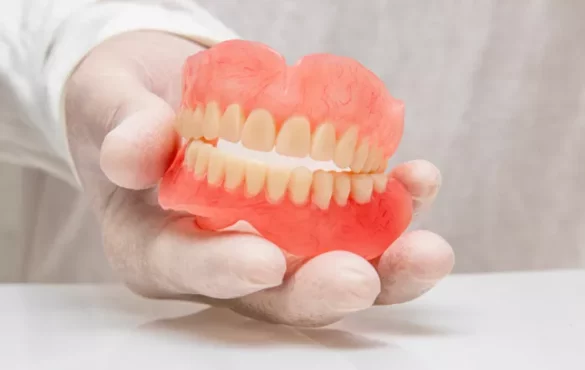
Dental implants are a long-term solution for missing teeth. They are designed to stay in place for many years. However, there are cases where implants may need to be removed. This may occur due to infection, implant failure, or changes in a patient’s dental needs. In such cases, dentures can be a viable replacement. This article explores the process of removing implants and replacing them with dentures, covering procedures, recovery, and patient considerations.
Why Implants Might Need Removal
Dental implants are typically successful. Success rates are over 95% in healthy patients. Despite this, some situations can lead to implant removal:
1. Peri-implantitis
Peri-implantitis is an infection around the implant. It causes inflammation, bone loss, and can compromise implant stability. If untreated, the implant may fail and require removal.
2. Implant Failure
Although rare, implants can fail due to poor osseointegration, excessive force, or underlying medical conditions such as diabetes. Failed implants are usually loose and cannot function properly.
3. Changes in Oral Health
Sometimes, changes in oral structure, such as bone loss or gum recession, can make implants unsuitable. Patients may prefer removable dentures in these cases for flexibility and comfort.
Evaluation Before Removal
Before removing implants, a dentist or oral surgeon will perform a thorough evaluation. This may include:
- Dental X-rays or 3D imaging to assess bone structure.
- Evaluation of gum tissue health.
- Assessment of overall oral hygiene and medical history.
- Discussion of patient preferences and prosthetic options.
The Implant Removal Procedure
Removing a dental implant is a surgical process. It is usually performed under local anesthesia. In some cases, sedation may be used. The procedure steps include:
1. Incision and Access
The dentist makes an incision in the gum to expose the implant. Surrounding bone and tissue are carefully assessed to minimize damage.
2. Loosening the Implant
Specialized dental tools are used to gently loosen the implant. The goal is to preserve as much bone as possible for future prosthetic support or denture fitting.
3. Removal and Cleaning
Once loosened, the implant is removed. The site is thoroughly cleaned to remove any infected tissue or debris.
4. Suturing and Healing
The gums are sutured, and healing begins. Postoperative care includes antibiotics, pain management, and oral hygiene instructions. Healing can take several weeks, depending on the patient’s health and bone quality.
Can Dental Implants Be Removed and Replaced with Dentures
After implants are removed and the site heals, dentures can be considered. Dentures are removable prosthetics that replace missing teeth. There are several options:
1. Complete Dentures
Complete dentures replace all teeth in the upper or lower jaw. They rest on the gums and are supported by suction or adhesive. Bone loss from implant removal can affect fit, so proper impression and adjustment are critical.
2. Partial Dentures
Partial dentures replace only some missing teeth. They clip onto remaining natural teeth. If other implants remain healthy, they may serve as anchors for partial dentures.
3. Implant-Supported Dentures
In some cases, new implants can be placed to support dentures. These provide stability while still being removable. This option may not be suitable immediately after implant removal due to healing requirements.
Fitting and Adjusting Dentures
Denture fitting is a multi-step process. It involves:
- Taking detailed impressions of gums and remaining teeth.
- Creating a denture base and aligning teeth properly.
- Adjusting the denture for comfort, speech, and bite alignment.
Follow-up visits are essential to correct sore spots, ensure proper function, and maintain oral health.
Recovery and Oral Care
Recovery after implant removal and denture placement involves several stages:
1. Initial Healing
Gum tissue heals within 2-3 weeks. Pain, swelling, and minor bleeding are common. Cold compresses and prescribed medication help manage discomfort.
2. Long-Term Care
Once dentures are in place, oral care includes:
- Cleaning dentures daily with a soft brush and denture cleaner.
- Rinsing mouth and gums to prevent infection.
- Regular dental check-ups for denture adjustment and oral health monitoring.
Advantages of Replacing Implants with Dentures
While dental implants are permanent, dentures offer several benefits in certain situations:
- Flexibility: Dentures can be removed for cleaning or comfort.
- Cost: Dentures are generally less expensive than replacing multiple implants.
- Adaptability: Dentures can accommodate changes in the mouth over time.
Potential Challenges
Transitioning from implants to dentures also has challenges:
- Bone resorption after implant removal can affect denture fit.
- Speech and chewing may require adaptation.
- Partial or complete dentures need periodic adjustments.
Patient Considerations and Consultation
Patients should discuss all options with their dentist. Considerations include:
- Overall oral and systemic health.
- Number and condition of remaining teeth.
- Preferences for removable vs. fixed prosthetics.
- Budget and long-term maintenance.
Conclusion
Dental implants can be removed and replaced with dentures when necessary. The process involves careful evaluation, surgical removal, healing, and precise denture fitting. While implants offer permanent solutions, dentures provide a flexible and cost-effective alternative. Consulting with a qualified dental professional ensures the best outcome, tailored to individual needs and oral health.