


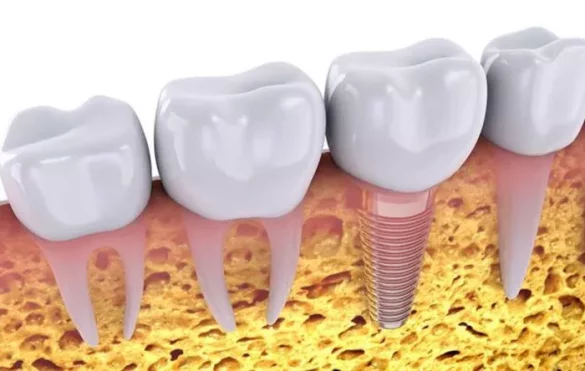
Peri-implantitis is a serious dental condition that affects the tissues surrounding a dental implant. It is similar to gum disease, which affects natural teeth, but occurs specifically around implants. Understanding what peri-implantitis looks like is crucial for early detection and treatment. Left untreated, it can lead to implant failure.
Understanding Peri-Implantitis
Peri-implantitis is an inflammatory process that affects the gum tissue and bone around a dental implant. The condition often begins with plaque buildup. Plaque is a sticky film of bacteria that can cause gum irritation and lead to infection. Unlike sensitive teeth, which may react to temperature changes or pressure, peri-implantitis involves actual tissue damage around the implant.
Difference Between Peri-Implantitis and Peri-Implant Mucositis
Peri-implant mucositis is an early stage of implant-related inflammation. It causes redness and swelling but does not involve bone loss. Peri-implantitis, however, progresses to affect the supporting bone, making it a more serious condition. Both conditions are similar to gum disease but peri-implantitis requires urgent dental attention.
Visual Signs of Peri-Implantitis
Recognizing peri-implantitis early can prevent severe complications. Common visual signs include:
Red or Swollen Gums Around the Implant
Healthy gums are pink and firm. In peri-implantitis, gums surrounding the implant may appear red or inflamed. Swelling often occurs due to infection, similar to advanced gum disease. Patients may notice that the gum tissue around the implant bleeds easily when brushing or flossing.
Gum Recession Around the Implant
Gum recession occurs when the gum tissue pulls away from the implant surface. This exposes the implant and sometimes part of the metal post. Receding gums are often a sign of chronic peri-implantitis and are similar to the gum recession seen in severe periodontitis. Recession can make the implant more vulnerable to infection.
Pus or Discharge
In some cases, peri-implantitis leads to the formation of pus around the implant. This discharge indicates an active infection. It may have a foul odor and cause discomfort. Pus is a strong warning that the infection has advanced beyond simple inflammation and requires immediate professional care.
Bone Loss Around the Implant
Bone loss is a key characteristic of peri-implantitis. Dental X-rays can reveal the loss of bone support around the implant. This weakening of the jawbone may lead to implant instability. Bone loss differentiates peri-implantitis from milder gum issues such as sensitive teeth or simple gingivitis.
Implant Mobility
An implant should feel stable and firmly integrated with the jawbone. In peri-implantitis, mobility may develop due to bone deterioration. Even slight movement of the implant is a serious sign and should be addressed immediately by a dental professional.
Symptoms Patients May Notice
Besides visual signs, patients may experience certain sensations:
Sensitivity Around the Implant
Although dental implants do not have nerves like natural teeth, the surrounding gums can become sensitive. Patients may notice discomfort when chewing or brushing. This sensitivity is different from sensitive teeth, which usually respond to hot or cold stimuli.
Persistent Bad Taste or Odor
Infections caused by peri-implantitis may produce a persistent bad taste or odor in the mouth. This symptom often accompanies pus formation and indicates bacterial activity around the implant.
Discomfort or Pain
Pain is not always present in early peri-implantitis, but as the condition worsens, discomfort during eating or speaking can develop. Pain is usually localized to the implant area and is often mistaken for minor gum irritation initially.
Stages of Peri-Implantitis
Early Stage
The early stage resembles gum inflammation. Gums appear red and swollen. Patients may notice slight bleeding when brushing. Bone is usually still intact. This stage is reversible if detected early and treated promptly.
Moderate Stage
Moderate peri-implantitis involves both gum inflammation and early bone loss. Gums may start to recede, and some pus formation may occur. Patients may feel mild discomfort or sensitivity. X-rays reveal partial bone loss around the implant.
Advanced Stage
Advanced peri-implantitis causes significant bone loss and implant mobility. Gums are severely inflamed and may bleed spontaneously. Infection may spread, causing pain and foul odor. At this stage, implant removal is sometimes necessary.
Risk Factors for Peri-Implantitis
Several factors increase the likelihood of developing peri-implantitis. Key risk factors include:
Poor Oral Hygiene
Failure to maintain proper oral hygiene can lead to plaque accumulation around the implant. Brushing, flossing, and professional dental cleanings are essential to prevent infection. Plaque buildup is the main cause of gum disease and peri-implantitis.
Smoking
Smoking decreases blood flow to the gums and slows healing. Smokers are at higher risk for both gum disease and peri-implantitis. Nicotine and other chemicals in cigarettes weaken the body’s defense against infection.
Preexisting Gum Disease
Patients with a history of periodontitis are more prone to peri-implantitis. Gum disease can weaken the supporting structures of teeth and implants. Regular dental checkups help monitor and manage this risk.
Diabetes and Other Medical Conditions
Systemic conditions like diabetes can impair healing and increase susceptibility to infections. Patients with diabetes are more likely to develop peri-implantitis if blood sugar is not well controlled.
Prevention and Early Detection
Preventing peri-implantitis is easier than treating it. Strategies include:
Maintaining Oral Hygiene
Brush twice daily and floss around implants carefully. Use interdental brushes to clean hard-to-reach areas. Good oral hygiene reduces plaque and bacterial growth.
Regular Dental Checkups
Schedule dental visits at least every six months. Dental professionals can detect early signs of peri-implantitis through clinical examination and X-rays.
Professional Cleaning
Professional cleanings remove plaque and tartar that are difficult to eliminate at home. Special instruments are used to avoid damaging the implant surface while cleaning.
Healthy Lifestyle Choices
Avoid smoking and maintain a balanced diet. Controlling systemic conditions such as diabetes can significantly reduce the risk of peri-implantitis.
Treatment Options
Treatment depends on the stage of peri-implantitis and severity of bone loss:
Non-Surgical Treatment
Early peri-implantitis can sometimes be treated with non-surgical methods. Scaling and root planing remove bacterial deposits. Antimicrobial rinses may be prescribed to reduce infection. Patients must also improve home oral care practices.
Surgical Treatment
Moderate to advanced peri-implantitis often requires surgical intervention. Procedures include flap surgery to access and clean infected areas. Bone grafts may be used to restore lost bone. Soft tissue grafts can improve gum coverage around the implant.
Implant Removal
In severe cases, the implant may need to be removed. After removal, the site must heal before considering a new implant. Early detection can prevent this outcome.
Conclusion
Peri-implantitis is a serious condition that can affect the success of dental implants. Recognizing its signs, such as red and swollen gums, gum recession, pus formation, bone loss, and implant mobility, is essential. Regular dental visits, proper oral hygiene, and healthy lifestyle choices are key to prevention. Early intervention can protect both the implant and surrounding tissues, ensuring long-term oral health. If you notice symptoms of peri-implantitis, consult a dental professional promptly to prevent further complications.