


Cavities are a common dental problem that can affect people of all ages. When tooth enamel is damaged by decay, a small hole or opening forms. This is what dentists call a cavity. If left untreated, cavities may lead to serious oral health issues such as gum disease, tooth infection, or even tooth loss. Many people wonder what they can use to cover a cavity, especially when immediate dental care is not available. In this article, we will explore temporary measures, professional dental treatments, and prevention strategies. The goal is to provide clear, simple, and reliable guidance on managing cavities and protecting your teeth.
Understanding What a Cavity Is
A cavity begins with the demineralization of tooth enamel caused by plaque buildup. Plaque is a sticky film of bacteria that thrives on sugars and starches left on teeth after eating. When these bacteria produce acids, the enamel weakens. Over time, this can form small holes or larger openings. Cavities may cause sensitive teeth, pain when chewing, or visible dark spots on the surface of a tooth. If not managed properly, the decay can progress into the dentin and pulp, causing infection and more severe complications.
Why Covering a Cavity Is Important
Covering a cavity is not the same as curing it. Only a dentist can remove decay and restore the tooth. However, covering a cavity temporarily can protect the tooth from food debris, reduce discomfort, and prevent bacteria from spreading further. If the cavity is left open, you may experience worsening pain, gum irritation, or increased risk of abscess formation. Therefore, understanding what you can use to cover a cavity is essential until you are able to visit a dental professional.
Temporary Options to Cover a Cavity at Home
While professional care is always the best option, there are temporary materials and methods you can use at home if immediate treatment is not possible. These solutions provide short-term protection but should not replace dental visits.
Dental Wax
Dental wax is often available in pharmacies and can be used to cover cavities or cracks in teeth. It creates a smooth surface that prevents food particles from lodging into the cavity. It also reduces irritation to the tongue or cheeks. Dental wax is easy to mold and place over the affected area, but it should be replaced regularly.
Temporary Filling Kits
Some drugstores sell over-the-counter temporary filling kits. These products contain dental cement that hardens when placed inside a cavity. The cement covers the hole and provides temporary relief from sensitive teeth. Temporary fillings usually last a few days to a couple of weeks, giving you time to schedule a dental appointment.
Cotton or Gauze
In an emergency, placing a small piece of clean cotton or gauze inside the cavity can provide temporary coverage. This prevents food and bacteria from entering the hole. However, cotton should be changed often, and this method is not a long-term solution.
Clove Oil Application
Clove oil has natural analgesic and antibacterial properties. Soaking a cotton ball in clove oil and placing it gently in the cavity can reduce pain and create a protective barrier. While this does not physically cover the cavity like wax or cement, it does soothe irritation and slow bacterial growth.
Professional Dental Treatments to Cover a Cavity
Temporary solutions provide only short-lived protection. A dentist must treat the cavity properly to stop decay and restore the tooth’s structure. Here are the most common dental treatments used to cover and repair cavities:
Dental Fillings
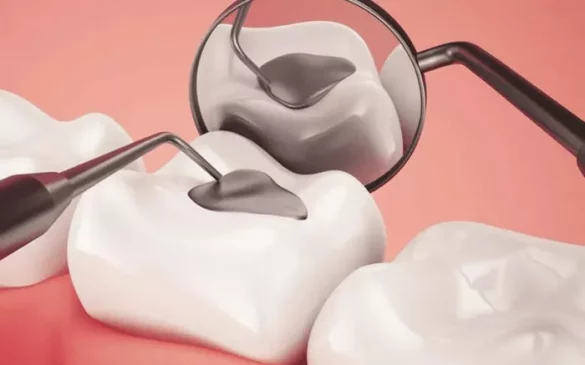
The most common treatment for cavities is a dental filling. The dentist removes decayed tissue and fills the cavity with materials such as composite resin, amalgam, gold, or porcelain. Composite fillings are popular because they match the natural tooth color. Amalgam fillings are durable and cost-effective. This method restores chewing function and prevents further decay.
Inlays and Onlays
For larger cavities that are too big for standard fillings, inlays and onlays are used. These are custom-made restorations created in a dental lab. Inlays fit inside the chewing surface of a tooth, while onlays extend over the cusps. Both options provide long-lasting strength and protection.
Dental Crowns
When a cavity is extensive and weakens the tooth structure, a dental crown may be necessary. A crown is a cap that covers the entire tooth above the gum line. It restores strength, shape, and appearance. Crowns are usually made of porcelain, ceramic, or metal. They provide permanent coverage for severely damaged teeth.
Root Canal with Crown
If decay reaches the pulp of the tooth, infection may occur. A root canal is performed to remove infected tissue and save the tooth. After cleaning and sealing the canals, a crown is placed over the tooth for full coverage. This is often the last step before extraction becomes necessary.
Tooth Extraction and Replacement
In cases where the cavity is too severe to treat, extraction may be the only option. The missing tooth can then be replaced with a dental implant, bridge, or partial denture. While this does not cover a cavity directly, it restores oral function and prevents problems such as gum disease or shifting of adjacent teeth.
Risks of Leaving a Cavity Uncovered
Ignoring a cavity or leaving it uncovered can cause several problems. Bacteria can spread deeper into the tooth, leading to infection and abscess formation. Gum disease may also develop as bacteria accumulate along the gumline. Sensitive teeth may worsen as the enamel and dentin erode further. Eventually, tooth loss may occur, requiring more complex and expensive treatment. Covering a cavity, even temporarily, can help reduce these risks until professional care is available.
How Cavities Relate to Gum Disease
Cavities and gum disease often occur together. Poor oral hygiene leads to plaque buildup, which not only damages tooth enamel but also irritates the gums. If plaque is not removed, gingivitis can develop, which may progress into periodontitis. When cavities are left untreated, food particles and bacteria can spread to the gums, increasing inflammation. Covering cavities helps reduce the impact of bacteria on surrounding gum tissue, lowering the risk of gum disease.
Preventing Cavities Before They Form
While it is useful to know what can be used to cover a cavity, prevention is always better. Adopting good oral hygiene habits is key to avoiding tooth decay. Here are effective preventive measures:
Brushing and Flossing
Brush your teeth at least twice a day with fluoride toothpaste. Floss daily to remove plaque and food particles from between teeth where brushes cannot reach. This reduces the risk of cavities and gum disease.
Regular Dental Checkups
Visiting your dentist every six months allows early detection of cavities. Professional cleaning removes hardened plaque (tartar) that causes tooth decay and gum disease. Early treatment is less invasive and more cost-effective.
Healthy Diet Choices
Limit sugary and starchy foods, as they feed bacteria that produce acid. Eat more calcium-rich foods to strengthen enamel. Drinking water after meals can help wash away food particles and bacteria.
Fluoride Treatments and Sealants
Dentists often recommend fluoride treatments for patients with a high risk of cavities. Fluoride strengthens enamel and prevents decay. Sealants are thin protective coatings applied to the chewing surfaces of molars. They create a barrier against bacteria and food particles.
Managing Sensitive Teeth Caused by Cavities
Cavities often cause sensitive teeth because dentin and nerves are exposed. Using desensitizing toothpaste can reduce discomfort. Avoiding very hot, cold, or sweet foods may also help. Covering the cavity temporarily with wax or dental cement can shield sensitive areas. However, long-term relief requires proper dental treatment to repair the cavity.
When to See a Dentist Immediately
While temporary solutions provide short-term relief, certain symptoms require urgent dental care. You should see a dentist immediately if you experience:
- Severe toothache that does not go away
- Swelling in the gums or face
- Pus or discharge near the tooth
- Fever associated with dental pain
- A broken filling or crown exposing the cavity again
Delaying treatment may lead to life-threatening infections or systemic complications.
Conclusion
Knowing what you can use to cover a cavity is valuable for temporary relief and protection. Options such as dental wax, temporary filling kits, and clove oil can shield the tooth until professional care is available. However, these are not permanent solutions. Only a dentist can remove decay and restore the tooth using fillings, crowns, or root canal therapy. Covering a cavity