


Tobacco use can lead to unsightly stains on dentures, affecting both appearance and oral health. Dentures, whether full or partial, are prone to discoloration from nicotine and tar. Persistent stains can also contribute to plaque buildup, bad breath, and even increase the risk of gum disease. Understanding safe and effective cleaning methods is essential for denture wearers.
Understanding the Causes of Staining
Nicotine and Tar
Nicotine and tar from cigarettes or chewing tobacco penetrate the porous surface of dentures. These compounds can darken the material over time, leading to yellow or brown discoloration. Unlike natural teeth, dentures do not have enamel, making stains harder to remove without proper care.
Poor Cleaning Habits
Failure to clean dentures regularly allows tobacco residue to accumulate. Rinsing dentures briefly after meals is not enough. Without thorough cleaning, stains can become permanent and affect the overall hygiene of your mouth.
Impact on Oral Health
Stained dentures may not only look unsightly but also create a breeding ground for bacteria. This increases the likelihood of gum disease and infections. Individuals with sensitive teeth or pre-existing oral conditions are at higher risk of discomfort when using poorly maintained dentures.
Daily Cleaning Routine for Dentures
Rinse After Eating
Always rinse your dentures after meals to remove loose food particles and reduce the buildup of tobacco stains. Use lukewarm water rather than hot water, which can warp the denture material.
Brushing Techniques
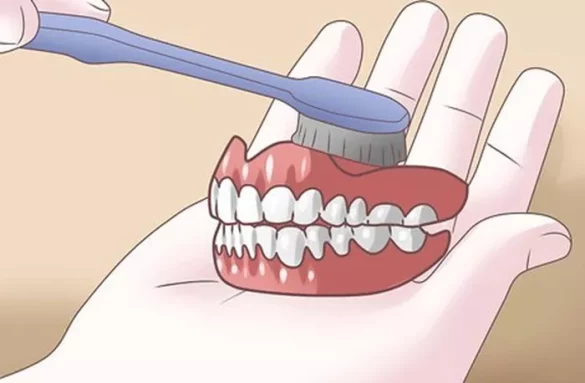
Use a soft-bristled brush specifically designed for dentures. Avoid regular toothpaste, which may be too abrasive and cause scratches. Brush gently on all surfaces, including the areas that touch your gums, to prevent plaque and bacterial growth.
Soaking Dentures Overnight
Soak dentures in a mild denture cleaner overnight. This helps remove stubborn stains and maintains the shape and hygiene of the dentures. Do not use bleach unless recommended by a dentist, as it can weaken denture material.
Step-by-Step Guide to Remove Tobacco Stains
Step 1: Rinse and Inspect
Remove your dentures and rinse them thoroughly under lukewarm water. Check for visible tobacco stains, cracks, or areas that require extra attention.
Step 2: Prepare Cleaning Solution
Use a commercial denture cleaner or prepare a solution using a mild dish soap and warm water. Avoid harsh chemicals that may damage the denture acrylic.
Step 3: Brush Thoroughly
Dip your denture brush in the cleaning solution and scrub all surfaces gently. Pay close attention to areas that touch the gums, as these regions are prone to plaque and gum disease. Use circular motions to lift stains without scratching the material.
Step 4: Use Stain-Removing Tablets
For deep stains, consider using denture cleaning tablets. Dissolve the tablet in water and soak your dentures according to the instructions. This process helps remove nicotine and tar buildup more effectively than brushing alone.
Step 5: Rinse and Dry
After soaking, rinse dentures thoroughly to remove any residual cleaner. Gently pat dry with a soft cloth. Never use abrasive materials, as they can create micro-scratches that attract more stains.
Step 6: Repeat if Necessary
Persistent tobacco stains may require repeated cleaning sessions. Avoid excessive scrubbing, which can damage the denture surface. Consistent maintenance is key to long-term stain prevention.
Additional Tips for Maintaining Denture Hygiene
Avoid Smoking Immediately After Cleaning
Smoking immediately after cleaning reintroduces tar and nicotine to the freshly cleaned surface. Waiting at least 30 minutes allows dentures to maintain their cleanliness for longer.
Regular Dental Check-Ups
Visit your dentist regularly for professional cleaning and inspection. Dentists can remove stubborn stains and check for signs of gum disease or irritation from poorly fitting dentures.
Handle Dentures Carefully
Dentures are delicate and can break if dropped. Always clean them over a sink filled with water or a soft towel to prevent accidental damage.
Watch for Sensitive Areas
If you experience discomfort or sensitive teeth while wearing dentures, consult your dentist. Ill-fitting dentures may need adjustment, and excessive pressure can exacerbate staining and oral issues.
Natural Remedies for Tobacco Stains
Baking Soda Paste
Mix baking soda with water to form a paste. Apply it gently to denture surfaces to remove light stains. Baking soda acts as a mild abrasive that lifts discoloration without damaging the acrylic.
White Vinegar Soak
Soak dentures in a solution of white vinegar and water for 30 minutes. Vinegar helps dissolve mineral deposits and light stains, restoring a cleaner appearance. Always rinse thoroughly afterward to remove residual acidity.
Lemon Juice Solution
Lemon juice mixed with water can act as a natural stain remover. However, prolonged exposure may weaken denture material, so limit soaking to short intervals and rinse thoroughly.
Preventing Future Tobacco Stains
Quit or Reduce Tobacco Use
The most effective way to prevent denture stains is to reduce or quit tobacco use. This not only protects dentures but also improves overall oral health and reduces the risk of gum disease and oral cancer.
Maintain Consistent Cleaning
Daily cleaning prevents stain accumulation. Regular brushing, soaking, and periodic use of denture tablets keep your dentures looking fresh and minimize long-term damage.
Use Protective Products
Consider using denture-protective sprays or rinses designed to repel stains. These products create a barrier that reduces adherence of nicotine and tar.
When to Seek Professional Help
Persistent Stains
If tobacco stains remain despite regular cleaning, a dental professional can perform deep cleaning and polishing. Attempting aggressive home treatments may damage dentures permanently.
Signs of Gum Disease
Red, swollen, or bleeding gums indicate potential gum disease. Persistent stains can contribute to bacterial growth. Schedule an appointment for evaluation and treatment if symptoms appear.
Broken or Ill-Fitting Dentures
Cracks, chips, or poor fit can make cleaning difficult and promote further staining. Dentists can repair or adjust dentures to ensure proper hygiene and comfort.
Conclusion
Removing tobacco stains from dentures is essential for both aesthetics and oral health. Following a step-by-step cleaning routine, using proper products, and consulting your dentist when necessary can maintain a bright smile. Daily care prevents gum disease, reduces discomfort for sensitive teeth, and extends the life of your dentures. By combining routine maintenance with lifestyle changes, denture wearers can enjoy cleaner, healthier, and more comfortable prosthetics.