


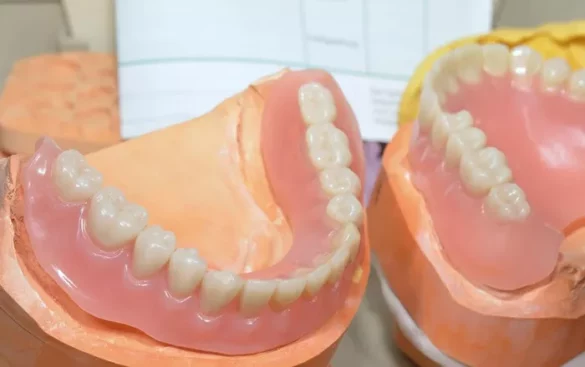
Dentures are removable appliances designed to replace missing teeth. They help restore the ability to chew, speak, and maintain facial structure. However, wearing dentures can sometimes lead to discomfort, including dry mouth. Dry mouth, also known as xerostomia, occurs when salivary glands do not produce enough saliva to keep the mouth moist. This condition can affect oral health, making it more prone to gum disease, sensitive teeth, and infections.
Understanding Dry Mouth
Dry mouth occurs when the oral cavity lacks sufficient saliva. Saliva is essential for neutralizing acids, washing away food particles, and maintaining the overall health of gums and teeth. Reduced saliva can lead to:
Increased risk of gum disease: Without adequate saliva, plaque builds up faster, causing irritation and inflammation.
Sensitive teeth: Lack of moisture exposes dentin, leading to discomfort when consuming hot, cold, or sweet foods.
Difficulty in chewing and swallowing: Saliva acts as a lubricant for the tongue and oral tissues, aiding in food movement.
Why Dentures Can Cause Dry Mouth
Reduced Salivary Flow
Dentures cover the roof of the mouth and other sensitive tissues. This coverage can reduce the natural stimulation of salivary glands. When glands are less stimulated, saliva production decreases, leading to dry mouth.
Friction and Irritation
Ill-fitting dentures can rub against the gums, causing friction and minor trauma. This irritation may alter the moisture levels in the mouth. Chronic rubbing can also increase the risk of gum disease and inflammation.
Material and Design Factors
Some denture materials, like certain acrylics, may absorb moisture or create a barrier between the tongue and palate. This can reduce saliva contact and exacerbate dryness. Flexible dentures, while more comfortable, may still cover large areas of the oral cavity, affecting moisture levels.
Impact of Age and Medications
Many denture wearers are older adults. Aging naturally decreases saliva production. Additionally, medications for chronic illnesses, such as antihypertensives, antidepressants, and antihistamines, can worsen xerostomia. When combined with dentures, these factors increase the likelihood of dry mouth.
Signs and Symptoms of Dry Mouth in Denture Wearers
Recognizing dry mouth early is crucial for preventing complications. Symptoms may include:
- Sticky or burning sensation in the mouth
- Difficulty speaking or swallowing
- Cracked lips and dry tongue
- Bad breath (halitosis) due to bacterial buildup
- Increased sensitivity of teeth and gums
Complications Associated with Dry Mouth and Dentures
Increased Risk of Gum Disease
Saliva helps wash away plaque and bacteria. In its absence, denture wearers are more susceptible to gingivitis and periodontitis. Inflamed gums can make wearing dentures uncomfortable, creating a cycle of irritation and dryness.
Oral Infections
Dry conditions in the mouth create a favorable environment for fungal infections, such as oral candidiasis. Dentures that are not cleaned properly may harbor pathogens, further increasing infection risk.
Tooth Sensitivity
When saliva is insufficient, the protective layer of the teeth is compromised. This can lead to heightened sensitivity, especially around areas where natural teeth remain or where dentures exert pressure.
Strategies to Manage Dry Mouth with Dentures
Maintain Hydration
Drinking water throughout the day is essential. Small sips between meals help keep oral tissues moist and reduce discomfort associated with dry mouth.
Use Saliva Substitutes
Over-the-counter saliva substitutes and mouth rinses can temporarily relieve dryness. Look for products containing xylitol to stimulate saliva and protect against gum disease.
Regular Denture Cleaning
Cleaning dentures daily helps prevent plaque buildup and fungal growth. Use a soft-bristled brush and non-abrasive cleanser. Remove dentures overnight to allow gums and palate to recover and maintain natural moisture levels.
Check Denture Fit
Ill-fitting dentures exacerbate dryness and irritation. Schedule regular dental checkups to adjust or reline dentures. Properly fitting dentures minimize friction and encourage natural saliva flow.
Stimulate Saliva Naturally
Chewing sugar-free gum or sucking on sugar-free lozenges can promote salivary gland activity. Avoid caffeinated or alcoholic beverages that may dry the mouth further.
Address Underlying Health Issues
Some causes of dry mouth are systemic, such as diabetes, Sjögren’s syndrome, or medication side effects. Consult a dentist or physician to manage these conditions effectively.
Professional Dental Care for Denture Wearers
Routine Dental Visits
Regular dental checkups help monitor the health of gums, remaining teeth, and dentures. Dentists can detect early signs of gum disease or fungal infections caused by dry mouth.
Specialized Denture Advice
Dentists may recommend flexible dentures or specific lining materials to reduce irritation and preserve moisture. Personalized advice ensures dentures do not compromise oral health or exacerbate xerostomia.
Oral Moisturizing Techniques
Dental professionals can suggest in-office treatments for dry mouth, such as fluoride varnishes, saliva-stimulating sprays, or prescription medications that increase saliva production.
Lifestyle Tips for Reducing Dry Mouth
- Maintain a balanced diet rich in water and fibrous foods.
- Avoid smoking, which reduces salivary flow and irritates oral tissues.
- Practice good oral hygiene with soft-bristled brushes and non-alcoholic mouth rinses.
- Remove dentures at night to allow gums and palate to recover.
- Chew sugar-free gum to stimulate saliva.
Conclusion
Wearing dentures can contribute to dry mouth, especially when combined with aging, medications, or ill-fitting appliances.
Dry mouth increases the risk of gum disease, sensitive teeth, oral infections, and discomfort. Fortunately, with proper denture care, hydration, saliva substitutes, and regular dental checkups, dry mouth can be managed effectively. Patients should work closely with their dental professionals to ensure dentures enhance oral function without compromising oral moisture or overall oral health.