


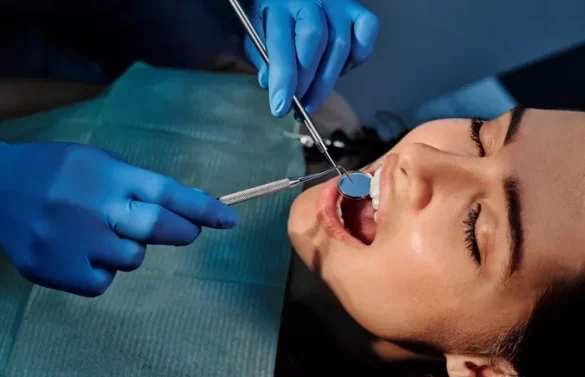
Dental fillings are a common treatment used to restore teeth affected by cavities or decay. They help prevent further damage, reduce sensitivity, and restore normal function. Traditional fillings often involve local anesthesia to minimize pain.
However, many patients wonder if it is possible to have a filling without an injection, especially if they have sensitive teeth or anxiety about needles.
Why Dentists Use Injections for Fillings
Local anesthesia is administered through an injection to numb the tooth and surrounding tissues. This ensures that the patient does not feel pain during the drilling or filling process. The main reasons for using injections include:
Preventing pain during decay removal.
Reducing stress and discomfort for patients with sensitive teeth.
Allowing dentists to work more efficiently without interruptions.
Alternatives to Injections for Dental Fillings
For patients seeking a filling without an injection, several alternatives are available. These options depend on the extent of decay, the location of the cavity, and individual pain tolerance.
Topical Anesthetics
Topical anesthetics are gels or liquids applied directly to the gums or tooth surface. They can numb the area slightly but are less effective than injections for deep decay. They are most suitable for shallow cavities or minor procedures.
Laser Dentistry
Laser dentistry is a modern technique that can remove decayed tissue with minimal discomfort. Lasers reduce the need for traditional drilling and may allow fillings without injections. Patients often report less pain and faster recovery. However, not all dental offices have laser technology, and it may be more expensive.
Air Abrasion
Air abrasion uses a stream of fine particles to remove decay. It is quieter than a drill and usually causes less pain, making it possible to perform some fillings without anesthesia. This method is generally limited to small cavities and may not be suitable for deep decay or areas near sensitive teeth.
Chewing Wax or Sedation Techniques
Some patients with severe anxiety or fear of injections may benefit from sedation options such as nitrous oxide (laughing gas). This approach does not eliminate the need for anesthesia in all cases but can make the experience more comfortable.
Factors Affecting Pain During Fillings
The ability to have a filling without an injection depends on multiple factors:
Depth of the Cavity: Shallow cavities often require less invasive treatment and may be suitable for topical anesthesia.
Location of the Tooth: Molars and teeth near nerves can be more sensitive, often necessitating an injection.
Patient Sensitivity:Individuals with sensitive teeth may feel discomfort even during minor procedures.
Presence of Gum Disease: Inflammation or infection in the gums can increase pain during treatment, making injections necessary.
Risks of Avoiding Injections
While avoiding injections can seem appealing, there are potential risks:
Increased Pain: Inadequate pain control can make the procedure uncomfortable and stressful.
Movement During Treatment: Pain can cause sudden movements, increasing the risk of injury to the tooth or surrounding tissue.
Incomplete Removal of Decay: Patients may flinch during drilling, leading to incomplete decay removal and compromised fillings.
Types of Fillings Suitable for Non-Injection Procedures
Some dental materials and techniques can be used with minimal discomfort, making non-injection fillings feasible in select cases:
Glass Ionomer Fillings
Glass ionomer fillings release fluoride and bond well to the tooth surface. They can be applied with minimal drilling and may require only topical anesthesia for small cavities.
Composite Resin Fillings
Composite fillings are tooth-colored and versatile. For minor decay, dentists can sometimes prepare the cavity with air abrasion or laser techniques, reducing or eliminating the need for injections.
Resin-Modified Materials
These materials combine benefits of composites and glass ionomer. They are suitable for non-load-bearing areas and shallow cavities, making them candidates for injection-free procedures.
Managing Sensitive Teeth During Fillings
Patients with sensitive teeth require special care. Even minor fillings can cause discomfort without proper numbing. Strategies to reduce pain include:
- Using desensitizing toothpaste before the procedure.
- Applying topical anesthetics or numbing gels.
- Scheduling shorter treatment sessions to reduce discomfort.
- Choosing air abrasion or laser techniques over traditional drilling.
Gum Disease Considerations
Gum disease can complicate fillings. Inflamed or infected gums are more sensitive and prone to bleeding. In cases of moderate to severe gum disease, injections may be necessary to ensure patient comfort. Non-injection options are best for patients with healthy gums and minimal decay.
Patient Anxiety and Pain Management
Fear of injections is common. Dentists may employ several strategies to reduce anxiety and discomfort:
- Topical numbing gels applied before the procedure.
- Distraction techniques such as music or guided breathing.
- Use of nitrous oxide for mild sedation.
- Gradual desensitization for patients undergoing repeated procedures.
Preparation Before a Filling Without Injection
To improve the chances of a comfortable, injection-free filling, patients can take certain steps:
Maintain good oral hygiene to minimize decay and gum inflammation.
Avoid sugary foods and beverages that may exacerbate cavities.
Discuss all pain management options with your dentist in advance.
Schedule the procedure at a time when you feel relaxed and rested.
Conclusion
Having a filling without an injection is possible in certain cases, particularly for small, shallow cavities or patients with low sensitivity. Alternatives such as topical anesthetics, laser dentistry, and air abrasion offer options for needle-free treatments. However, deeper decay, sensitive teeth, or gum disease may still require local anesthesia for effective and safe treatment. Always consult with your dentist to assess the best approach, ensuring comfort and optimal dental health.