


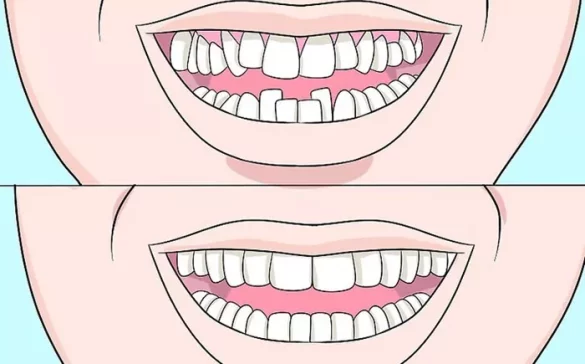
An overbite is a common dental condition where the upper front teeth overlap the lower front teeth excessively when the mouth is closed. It is a type of malocclusion, which refers to the misalignment of teeth and jaws. Overbites can range from mild to severe and can affect both aesthetics and oral health.
Understanding what an overbite means is important for maintaining proper dental function. Issues such as Sensitive Teeth, difficulty chewing, and even speech problems can arise if left untreated.
Types of Overbites
Vertical Overbite
A vertical overbite occurs when the upper teeth cover a significant portion of the lower teeth vertically. Mild cases are often cosmetic, but severe vertical overbites can damage the teeth and gums over time.
Horizontal Overbite (Overjet)
In a horizontal overbite, also called an overjet, the upper teeth extend far beyond the lower teeth horizontally. This type may lead to increased risk of trauma to the front teeth and jaw discomfort.
Deep Bite
A deep bite is a more severe form of overbite where the upper teeth almost completely cover the lower teeth. Deep bites can cause Sensitive Teeth due to constant pressure on the lower teeth and gums.
Causes of Overbites
Genetics
Many overbites are inherited. Jaw size, shape, and tooth alignment can pass down from parents, making some individuals more prone to this condition.
Childhood Habits
Prolonged thumb sucking, pacifier use, or bottle feeding can contribute to the development of an overbite in children. These habits push the teeth forward and affect jaw alignment over time.
Jaw Growth Problems
Discrepancies in the growth of the upper and lower jaw can lead to overbites. If the upper jaw grows faster than the lower jaw, the upper teeth may protrude excessively.
Tooth Loss or Misalignment
Missing teeth or untreated dental issues can worsen overbites. Crowded or misaligned teeth can push the upper teeth forward, leading to a noticeable overbite.
Signs and Symptoms
Visible Appearance
One of the most noticeable signs of an overbite is that the upper front teeth overlap the lower front teeth significantly. In severe cases, the lower teeth may be almost hidden when the mouth is closed.
Jaw Pain and Discomfort
Overbites can cause jaw strain and temporomandibular joint (TMJ) disorders. Patients may experience clicking, popping, or pain when opening and closing their mouth.
Tooth Wear and Sensitive Teeth
Excessive overlap can wear down enamel over time. This can lead to Sensitive Teeth, making hot, cold, or sweet foods uncomfortable to eat.
Gum Problems
In some cases, overbites can cause gum recession or inflammation. The lower teeth may press into the gums behind the upper teeth, increasing the risk of gum disease.
Difficulty Chewing and Speaking
Severe overbites can interfere with normal chewing and speech. This may result in fatigue while eating and minor speech impediments, particularly with sounds like “s” and “th.”
Diagnosis of Overbites
Dental Examination
A dentist will examine the alignment of teeth and jaws. They will check how the upper and lower teeth come together when the mouth is closed.
X-Rays and Imaging
X-rays or 3D scans can provide detailed images of the teeth and jawbone. This helps in assessing the severity of the overbite and planning appropriate treatment.
Functional Assessment
Doctors may evaluate bite function and jaw movement. This ensures that any treatment addresses not only appearance but also functional problems like chewing and jaw pain.
Treatment Options
Orthodontic Braces
Traditional braces are commonly used to correct overbites. Brackets and wires gradually move the teeth into proper alignment. Treatment duration usually ranges from 12 to 24 months depending on severity.
Clear Aligners
Clear aligners like Invisalign can also treat overbites. These removable trays are discreet and can be more comfortable than traditional braces. Patients should wear them 20–22 hours a day for optimal results.
Jaw Surgery
In severe cases, surgery may be necessary. Orthognathic surgery can reposition the jaws to correct deep overbites. This is often combined with braces for a complete solution.
Tooth Extraction
Sometimes, removing certain teeth is necessary to create space for proper alignment. This is particularly common when overbites are caused by overcrowding.
Preventive Measures and Home Care
Maintaining good oral hygiene is critical. Regular brushing, flossing, and dental check-ups help prevent Sensitive Teeth and gum problems associated with overbites. Avoiding prolonged thumb sucking in children can also reduce risk.
Complications of Untreated Overbites
Dental Erosion
Chronic overbites can lead to enamel wear, making teeth more prone to cavities and Sensitive Teeth.
Gum Disease
Overlapping teeth can trap plaque and bacteria, increasing the risk of gum disease. This can lead to bleeding gums, bad breath, and even tooth loss.
Jaw Disorders
Untreated overbites may contribute to TMJ disorders, causing pain, headaches, and difficulty chewing.
When to See a Dentist
If you notice that your upper teeth significantly overlap your lower teeth, or you experience Sensitive Teeth, jaw pain, or difficulty chewing, it is important to consult a dentist. Early evaluation can prevent long-term complications and make treatment more effective.
Conclusion
An overbite is more than a cosmetic issue. It can affect your oral health, cause Sensitive Teeth, and lead to jaw or gum problems if left untreated. Understanding the causes, symptoms, and treatment options is crucial for maintaining a healthy, functional smile. Regular dental check-ups and early intervention are key to managing overbites effectively.