


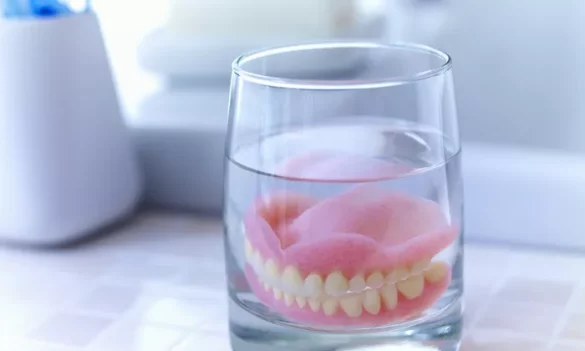
Dentures are a vital solution for replacing missing teeth and restoring a natural smile. Proper care of dentures is essential to maintain oral health, prevent gum disease, and avoid issues such as Sensitive Teeth. When dentures are not in use, their storage plays a crucial role in preserving their shape, functionality, and hygiene. Neglecting proper storage can lead to warping, bacterial growth, and discomfort when wearing them again. This article provides a comprehensive guide on how to store dentures safely when they are not being worn.
Why Proper Denture Storage Matters
Storing dentures correctly is important for several reasons. First, dentures are often made from acrylic materials that can dry out and become brittle if not kept in the right environment. Second, improper storage can allow bacteria and fungi to accumulate on the dentures, increasing the risk of gum disease and oral infections. Finally, storing dentures improperly can lead to warping, making them uncomfortable or even unusable. Understanding these risks helps denture wearers prioritize proper care and storage techniques.
Keep Dentures Moist
Dentures need to remain moist to maintain their shape and flexibility. Acrylic dentures can dry out and warp if left exposed to air for extended periods. When not in use, dentures should be stored in a container filled with water or a specialized denture-soaking solution. Avoid using hot water, as high temperatures can damage the denture material.
Using Water
Simply placing dentures in a container of cool or lukewarm water is an effective and straightforward method. Ensure the container is clean and has a lid to prevent contamination. Change the water daily to prevent bacterial growth and maintain hygiene.
Denture Soaking Solutions
Commercial denture-soaking solutions provide added benefits. These solutions can remove stains, kill bacteria, and reduce odor. Follow the instructions on the product label and avoid over-soaking, which may weaken the denture over time.
Clean Dentures Before Storing
Before placing dentures in storage, it is essential to clean them thoroughly. Residual food particles can promote bacterial growth and contribute to gum disease. Use a soft-bristled denture brush and a non-abrasive cleanser designed specifically for dentures. Avoid using regular toothpaste, as it may scratch the surface and harbor bacteria.
Steps for Cleaning
Rinse dentures under running water to remove loose debris.
Brush gently with a denture cleaner and a soft brush, covering all surfaces.
Rinse thoroughly to remove any cleanser residue.
Optional: Soak in a denture solution for additional disinfection.
Use a Protective Denture Case
When dentures are not in use, storing them in a protective case prevents physical damage. Dentures are delicate and can crack or chip if dropped. A hard or padded denture case offers protection from accidental falls and keeps the dentures safe from pets or children.
Choosing the Right Case
Select a case that fits the dentures comfortably without forcing them in. Some cases have compartments to keep soaking solution separate, which can be convenient for daily cleaning routines.
Keep Dentures Away from Extreme Temperatures
Heat and cold can damage dentures. Avoid placing dentures near heaters, direct sunlight, or freezing temperatures. Acrylic dentures can warp in heat and become brittle in extreme cold. Storing dentures in a stable, room-temperature environment ensures their longevity and maintains comfort when wearing them.
Nighttime Denture Care
Many dental professionals recommend removing dentures at night. This allows the gums to rest and reduces the risk of irritation or gum disease. Before bedtime, clean the dentures and place them in a soaking solution or water container. This practice also helps prevent Sensitive Teeth issues caused by constant pressure from dentures.
Traveling with Dentures
Proper storage is equally important during travel. Use a dedicated denture case with a secure lid. Bring a small bottle of soaking solution or clean water to maintain moisture. Avoid wrapping dentures in tissue or paper towels, as this can lead to breakage or contamination.
Monitor Denture Condition Regularly
Regular inspection of dentures is critical. Look for signs of wear, cracks, discoloration, or an improper fit. Addressing these issues early prevents further damage and maintains oral health. If dentures become loose, they can irritate the gums and increase the risk of gum disease or pressure sores.
Professional Dental Check-Ups
Even with proper storage, regular dental visits are necessary. Dentists can professionally clean dentures, check the fit, and identify early signs of Sensitive Teeth or gum disease. Routine check-ups also allow adjustments to prevent discomfort or oral health problems.
Avoid Common Mistakes
Several storage mistakes can harm dentures:
- Leaving dentures dry: This causes warping and cracks.
- Using hot water: Can distort denture shape.
- Storing in toothpaste or harsh chemicals: Abrasives can damage the surface.
- Skipping cleaning before storage: Leads to bacterial buildup and odors.
Conclusion
Proper denture storage is a simple but essential part of oral care. Keeping dentures clean, moist, and protected prevents damage and promotes oral health. Consistent habits reduce the risk of gum disease, irritation, and Sensitive Teeth. By following these best practices, denture wearers can enjoy comfort, hygiene, and long-lasting use of their dental appliances.