


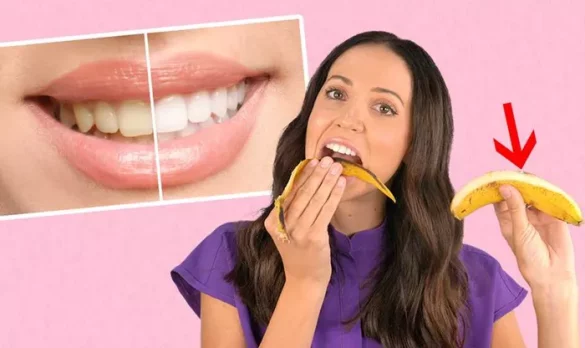
Maintaining a bright smile is a common goal for many people. Traditional whitening methods include professional treatments and chemical-based products. However, natural remedies have gained popularity, with banana peels emerging as a surprising option. This article explores the scientific basis, practical application, and limitations of using banana peels for teeth whitening.
The Composition of Banana Peels
Essential Minerals in Banana Peels
Banana peels contain several minerals that can influence tooth health and appearance. Notably, they have potassium, magnesium, and manganese. These minerals are thought to strengthen tooth enamel, making teeth more resistant to stains. When applied topically, the minerals may create a mild abrasive effect that contributes to a brighter appearance.
Organic Compounds and Their Effects
Banana peels also contain polyphenols and antioxidants. These compounds help in neutralizing harmful free radicals in the mouth. Free radicals can weaken enamel and promote discoloration over time. By mitigating their effects, the compounds in banana peels may support overall oral health and contribute indirectly to whiter teeth.
How Banana Peels Interact with Tooth Enamel
Role of Enamel Remineralization
Tooth enamel is the outermost layer of teeth, providing protection against decay and staining. The minerals in banana peels may contribute to remineralization. Remineralization strengthens enamel, making it more resistant to stains caused by food, drinks, and environmental factors.
Surface Stain Reduction
Applying banana peels directly to teeth can create a subtle polishing effect. While this does not bleach teeth chemically, it can remove superficial stains. The texture of the peel, combined with minerals, gently rubs the enamel surface, reducing discoloration over time.
Why Do Banana Peels Whiten Teeth?
Research Studies
Scientific literature on banana peels as a teeth-whitening agent is limited but growing. Some small studies indicate that the minerals and compounds in the peel may help reduce plaque buildup and surface staining. However, these studies are preliminary, and more rigorous clinical trials are needed to confirm efficacy.
Comparison with Conventional Whitening
Compared to chemical whitening agents like hydrogen peroxide or carbamide peroxide, banana peels are far less aggressive. They do not penetrate enamel to remove deeper stains. Instead, they offer a mild, natural alternative for gradual whitening with minimal risk of sensitivity or enamel damage.
How to Use Banana Peels for Teeth Whitening
Step-by-Step Application
1. Select a ripe banana with a soft, yellow peel.
2. Peel the banana and rub the inner side of the peel gently against your teeth.
3. Continue rubbing for 2–3 minutes to allow minerals to interact with enamel.
4. Leave the residue on teeth for an additional 5–10 minutes.
5. Rinse thoroughly with water and brush as usual.
Frequency and Duration
For optimal results, it is recommended to use banana peels 3–4 times per week. Visible changes may occur over several weeks, depending on the initial condition of the teeth and the consistency of use.
Potential Benefits of Using Banana Peels
Natural and Safe
Banana peels are non-toxic and free from harsh chemicals. This makes them a safe option for individuals with sensitive teeth or gums. Unlike some whitening gels, they do not increase enamel erosion or tooth sensitivity.
Supports Oral Health
In addition to cosmetic benefits, the nutrients in banana peels may support overall oral health. Minerals like magnesium and potassium can strengthen enamel, while antioxidants reduce oxidative stress in oral tissues. These effects contribute to healthier teeth over time.
Cost-Effective Solution
Using banana peels is an inexpensive method for teeth whitening. Most households already consume bananas, making this a convenient and affordable option compared to professional whitening treatments.
Limitations and Considerations
Effectiveness on Deep Stains
Banana peels primarily address surface-level discoloration. Stubborn stains caused by tobacco, coffee, or intrinsic factors may require professional treatments. Expectations should be realistic, as banana peels offer gradual and mild whitening rather than dramatic results.
Risk of Bacterial Contamination
Freshly handled banana peels can carry bacteria. It is important to wash hands before use and avoid consuming the peel in this context. Always rinse the mouth thoroughly after application to maintain oral hygiene.
Limited Scientific Evidence
While anecdotal reports are positive, strong clinical evidence is still limited. Dental professionals recommend using banana peels as a supplementary approach rather than a replacement for conventional oral care.
Integrating Banana Peels into a Whitening Routine
Combination with Brushing and Flossing
Banana peels are most effective when combined with regular oral hygiene practices. Brushing twice daily with fluoride toothpaste and daily flossing ensures the removal of plaque and surface stains, enhancing the subtle effects of the banana peel.
Dietary and Lifestyle Factors
Limiting staining foods and drinks, such as coffee, tea, and red wine, supports the whitening process. Maintaining hydration and using a straw for acidic beverages can further protect enamel and prolong results.
Conclusion
Banana peels provide a natural, safe, and cost-effective method for mild teeth whitening. Rich in minerals and antioxidants, they can strengthen enamel and reduce surface stains. While results are gradual and evidence is limited, they represent a low-risk adjunct to conventional oral care. For those seeking brighter teeth without harsh chemicals, banana peels offer a promising option worth considering.