


Tooth extraction is a common dental procedure. It involves removing a tooth due to decay, infection, or trauma. After extraction, the body starts a natural healing process. The jawbone where the tooth was removed undergoes changes. Many patients wonder if the bone will fill in naturally after extraction. Understanding this process is crucial for maintaining oral health and planning for future treatments such as dental implants.
The Role of Bone in the Jaw
The jawbone supports teeth and maintains facial structure. Each tooth root sits in a socket called an alveolus. The bone around the tooth is called alveolar bone. When a tooth is lost, the alveolar bone loses stimulation. This can lead to bone resorption, a natural process where bone density and volume decrease over time.
Initial Healing After Extraction
Immediately after extraction, the body forms a blood clot in the socket. This clot is essential for healing. It protects the bone and nerve endings and provides a foundation for new tissue growth. Within a few days, the gum tissue begins to close over the socket, forming soft tissue coverage.
Bone Remodeling and Natural Filling
Osteogenesis in the Socket
Bone healing involves a process called osteogenesis. Osteoblasts, the bone-forming cells, start creating new bone tissue. This new bone gradually fills the extraction socket. The process begins at the base of the socket and progresses toward the surface. However, the new bone is often less dense and smaller in volume than the original bone.
Timeline of Bone Healing
Bone healing is a gradual process. Within the first week, the blood clot stabilizes. By two to four weeks, early bone formation begins. At six to eight weeks, the socket starts to show mineralized bone. Complete bone fill can take three to six months, depending on factors such as age, health, and the size of the extraction site. In some cases, the bone may never fully return to its original shape or volume.
Factors Affecting Bone Fill
Several factors influence bone healing after tooth extraction:
- Age: Younger patients generally heal faster.
- General health: Conditions like diabetes can slow bone regeneration.
- Smoking: Reduces blood flow and impairs healing.
- Infection: Can disrupt bone formation.
- Socket size and location: Larger or molar sockets may require more time to heal.
Bone Grafting: Enhancing Natural Healing
What Is Bone Grafting?
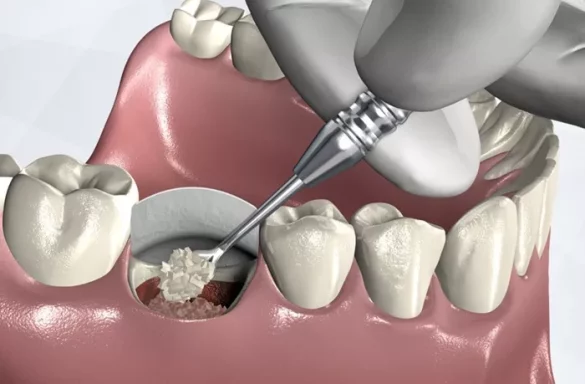
Bone grafting is a dental procedure that helps preserve the jawbone after extraction. The dentist places bone material into the empty socket. This material can be natural, synthetic, or from a donor. Bone grafting provides a scaffold for new bone growth. It can prevent bone loss and prepare the site for dental implants.
Benefits of Bone Grafting
- Maintains jawbone volume and shape.
- Supports gum tissue and facial aesthetics.
- Increases the success rate of future dental implants.
- Reduces the risk of bone resorption after extraction.
When Is Bone Grafting Recommended?
Bone grafting is often suggested in cases of:
- Large tooth extractions or multiple teeth removed.
- Patients planning for dental implants.
- Severe bone loss or thin jawbone.
- Infections or periodontal disease that may reduce bone healing.
Post-Extraction Care for Bone Health
Immediate Care
Proper care after extraction can improve bone healing. Patients should:
- Avoid disturbing the blood clot.
- Follow prescribed medication, including pain relief and antibiotics.
- Maintain oral hygiene without disrupting the extraction site.
Lifestyle Factors
Lifestyle choices can affect bone regeneration. Avoid smoking, limit alcohol, and eat a diet rich in calcium and vitamin D. These factors support bone health and accelerate healing.
Monitoring Healing
Regular dental check-ups help monitor bone regeneration. X-rays can show bone fill over time. Early detection of complications ensures better outcomes.
Dental Implants and Bone Preservation
Importance of Bone for Implants
Dental implants require sufficient bone to anchor the implant. If natural bone fill is insufficient, implants may fail. Bone grafting or sinus lifts can provide the needed volume.
Timing of Implants
Implants can be placed immediately after extraction or after healing. Immediate implants reduce bone loss, while delayed placement may require additional grafting if the bone has resorbed.
Natural Limitations of Bone Fill
Volume Loss After Extraction
Even with natural healing, some bone loss is inevitable. The alveolar ridge tends to shrink in width and height. Studies show up to 50% of bone width can be lost within the first year after extraction. Height loss is usually less, but noticeable over time.
Long-Term Effects
Bone loss can affect adjacent teeth, gum support, and facial appearance. Jawbone shrinkage may lead to a sunken facial profile. Restoring bone with grafts or implants can help maintain function and aesthetics.
Conclusion
Bone does partially fill in after tooth extraction, but the process is gradual and often incomplete. Several factors influence healing, including age, health, and socket size. Natural bone regeneration may not restore the original volume, making bone grafting or implants important for long-term oral health. Post-extraction care and lifestyle choices play a vital role in supporting bone healing. Consulting a dentist is essential to plan for bone preservation and maintain oral function and facial structure.