


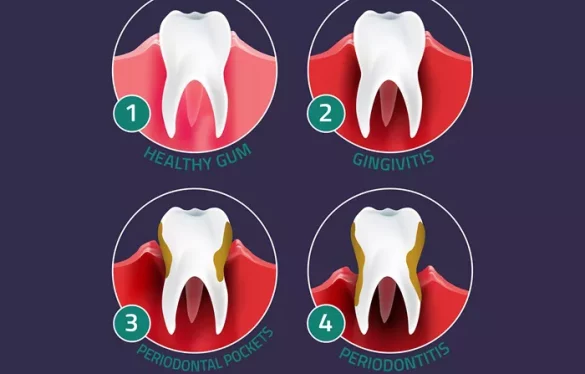
Stage 4 gum disease, also known as advanced periodontitis, is the most severe form of periodontal disease. At this stage, the infection has caused significant damage to the gums, teeth, and supporting bone. Patients may experience loose teeth, gum recession, severe bleeding, and persistent bad breath. The disease can lead to tooth loss if untreated.
Causes of Stage 4 Gum Disease
Stage 4 gum disease develops over years due to poor oral hygiene, smoking, certain medical conditions such as diabetes, and genetic predisposition. Plaque and tartar buildup harbor harmful bacteria that attack the gum tissues and bone. Chronic inflammation further accelerates tissue destruction.
Symptoms to Recognize
Signs of stage 4 gum disease include persistent bad breath, red or swollen gums, bleeding while brushing, receding gums, tooth mobility, pus around teeth, and changes in bite alignment. Recognizing these symptoms early is crucial for intervention.
Is Stage 4 Gum Disease Reversible?
The Reality of Reversing Stage 4 Periodontitis
Stage 4 gum disease cannot be completely reversed because significant tissue and bone loss has already occurred. While early stages of gum disease can be reversed through proper oral care and professional treatment, advanced periodontitis often requires interventions to stop progression and manage damage.
Goals of Treatment
The primary goals for stage 4 gum disease treatment are to control infection, prevent further damage, reduce tooth mobility, and maintain oral function. Complete regeneration of lost bone and gum tissue is rarely possible, but modern dental techniques can restore oral health to a functional level.
Treatment Options for Stage 4 Gum Disease
Scaling and Root Planing
Scaling and root planing is a deep cleaning procedure performed by a dentist or periodontist. It removes plaque and tartar from below the gum line and smooths the root surfaces. While this procedure helps control infection, it cannot restore lost bone.
Antibiotic Therapy
Antibiotics may be prescribed to reduce bacterial load in the mouth. These can be systemic or locally applied directly to gum pockets. Antibiotic therapy is an adjunct to mechanical cleaning and helps reduce inflammation.
Periodontal Surgery
In advanced cases, surgical intervention may be necessary. Procedures include flap surgery, bone grafting, and guided tissue regeneration. These aim to repair damaged structures, reduce pocket depth, and stabilize teeth. While surgery cannot fully reverse stage 4 gum disease, it can significantly improve oral function.
Tooth Extraction and Replacement
When teeth are severely loose or damaged, extraction may be required. Options for replacement include dental implants, bridges, or dentures. These solutions restore aesthetics and chewing function but do not reverse the original disease.
Lifestyle Changes to Support Treatment
Improved Oral Hygiene
Maintaining excellent oral hygiene is critical. Brush at least twice daily, floss daily, and use an antibacterial mouthwash. Proper hygiene helps prevent reinfection and slows disease progression.
Diet and Nutrition
Eat a balanced diet rich in vitamins C and D, calcium, and protein to support gum and bone health. Avoid excessive sugar and acidic foods, which encourage bacterial growth.
Quit Smoking
Smoking significantly worsens gum disease by reducing blood flow and impairing healing. Quitting smoking can enhance treatment outcomes and improve gum health.
Regular Dental Checkups
Frequent visits to a dentist or periodontist are essential. Professional cleaning, monitoring of gum condition, and early intervention for new problems help maintain oral health in advanced periodontitis patients.
Advanced Therapies and Regeneration Techniques
Bone Grafting
Bone grafting can restore some lost bone to support teeth and reduce mobility. Donor bone or synthetic materials are used to promote bone regeneration. While it does not fully reverse stage 4 damage, it stabilizes affected teeth.
Guided Tissue Regeneration
This procedure uses a membrane to encourage gum and bone growth in affected areas. It can improve the attachment of gum tissue to teeth and reduce pocket depth.
Laser Therapy
Lasers can remove infected tissue, reduce bacteria, and stimulate healing. Laser therapy may be used alongside conventional treatments to enhance outcomes.
Preventing Progression of Gum Disease
Consistent Home Care
Even after advanced treatment, maintaining home care is vital. Brushing, flossing, and mouthwash use should become a routine. Neglecting oral hygiene can lead to relapse.
Monitoring Risk Factors
Address systemic conditions such as diabetes or immune disorders. Manage stress and ensure a healthy lifestyle. Controlling risk factors can prevent further deterioration.
Early Intervention in Future Cases
Stage 4 gum disease highlights the importance of early detection. Regular dental visits and prompt treatment of mild gum disease can prevent progression to severe stages.
Prognosis and Long-Term Outlook
Managing Expectations
While stage 4 gum disease cannot be fully reversed, proper treatment can preserve teeth, restore function, and improve quality of life. Patients who follow treatment plans, practice excellent oral hygiene, and manage risk factors can achieve stable oral health.
Importance of Continuous Care
Ongoing care with a dental professional is essential. Regular monitoring allows early intervention if the disease progresses.
Compliance with treatment plans significantly improves long-term prognosis.
Conclusion
Stage 4 gum disease is a severe and irreversible condition. Complete reversal is not possible due to extensive tissue and bone loss. However, modern dental treatments, lifestyle changes, and consistent oral care can control the disease, stabilize teeth, and improve oral health. Patients must work closely with their dentist or periodontist to manage this advanced form of periodontitis and maintain long-term oral function.