


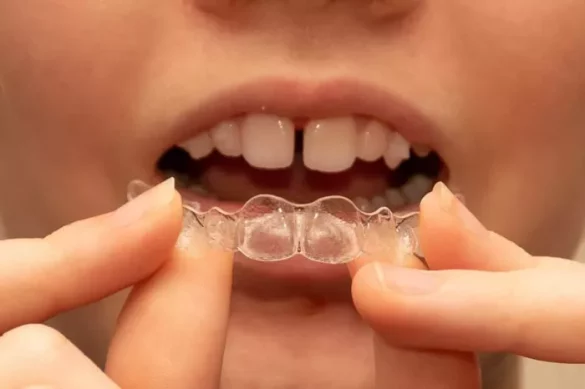
Teeth shift. Teeth move because bone remodels. Ligaments stretch and relax. Chewing forces push teeth. Habits apply pressure. Growth changes the jaw. Aging changes bone. This process is natural. This process is continuous. This process affects every person. The goal of this detailed article is to explain when teeth stop shifting, why they shift at different ages, and what patients can expect throughout life. The content also provides preventive steps and clinical insights used by dental professionals.
Many people believe that teeth stop shifting in childhood. Many people believe that teeth freeze in place after orthodontic treatment. Many people believe that their teeth move only when braces force them to move. However, these beliefs are not accurate. Teeth never fully stop shifting. Teeth can shift at any age. Teeth remain dynamic structures supported by living tissues.
Do Teeth Ever Fully Stop Shifting?
The simple answer is no. Teeth never fully stop shifting. Teeth shift at different speeds in different life stages. Teeth shift more in youth. Teeth shift less in adulthood. Teeth shift slowly in old age. But the movement never reaches zero.
This is because:
Bone remodels throughout life.
The periodontal ligament reacts to pressure.
Tongue forces continue daily.
Chewing forces continue daily.
Facial muscles change with age.
Jawbones change with growth and later resorption.
Teeth are always under pressure. These pressures are small. These pressures combine over time. These pressures create noticeable movement.
However, there are predictable phases. Orthodontists use these phases to guide treatment.
How Teeth Shift During Childhood
Primary Dentition Stage (Ages 1–6)
Baby teeth erupt early. Baby teeth fall out gradually. The jaw grows quickly. Bone is soft. Ligaments are flexible. Tooth movement is easy. Spacing is common. Mild crowding is also common.
During this stage:
Teeth shift to accommodate jaw growth.
Primary teeth act as space holders.
Chewing patterns shape the arches.
Thumb sucking influences movement.
Pacifier use increases pressure on front teeth.
Mouth breathing affects alignment.
Shifting in this age group is rapid and normal.
Mixed Dentition Stage (Ages 6–12)
Permanent teeth erupt. Baby teeth fall out. The jaw grows fast. Muscles strengthen. Permanent molars shift forward due to chewing pressure.
Key characteristics:
Teeth shift dramatically during eruption.
The dental arch widens.
Midline alignment changes.
Spacing and crowding develop.
Habits still affect tooth position.
Growth spurts accelerate movement.
Orthodontists often begin early treatment here.
How Teeth Shift in Teenagers (Ages 12–18)
Teens still experience growth. The jaw continues to lengthen. Facial muscles become stronger. Wisdom teeth may begin developing. Tooth movement remains active.
Factors related to shifting in teens:
Erupting molars push teeth forward.
Natural crowding appears as arches tighten.
Hormonal changes affect connective tissues.
Orthodontic treatment is common.
Retainer use prevents relapse.
Lifestyle habits increase pressure on teeth.
Shifting is strong during puberty. Growth changes can be unpredictable. Dentists monitor alignment every six months.
When Does Tooth Movement Slow Down?
Late Teen Years to Mid-20s
Growth slows by age 16–18 in most females. Growth slows by age 18–21 in most males. The jaw stabilizes. Bone density increases. Ligaments become more stable.
However:
- Teeth still shift.
- Wisdom teeth may cause pressure.
- Retainers remain essential.
- Small spaces may develop.
- Minor crowding may appear.
Ages 25 to 35
Tooth movement slows further. This age group often believes movement has stopped. But orthodontists know that subtle shifts continue.
Common changes include:
Crowding in the lower front teeth.
Slight forward drift of molars.
Bite deepening due to muscle pressure.
Mild midline changes.
Relapse after orthodontics if retainers were discontinued.
Movement is slower but persistent.
At What Age Do Teeth Shift the Least?
Age 35 to 50: The Most Stable Period
This age group usually experiences the slowest rate of tooth movement. Jaw growth has ended. Hormonal changes are moderate. Bone remodeling is steady.
However, stability does not mean stillness. Factors still influence motion:
- Nighttime clenching
- Stress-related grinding
- Gum recession
- Bone loss from periodontal disease
- Missing teeth creating gaps
- Bite changes from enamel wear
The absence of growth makes movement subtle. But subtle movement accumulates.
Age 50 and Beyond: Aging Creates New Shifts
Teeth shift more again after age 50. Aging affects bone density. Bone becomes thinner. Gum tissue recedes. Jaw muscles weaken. Chewing patterns change.
Common age-related changes:
Lower teeth crowding increases.
Gaps appear if gums recede.
Teeth tilt toward weaker bone areas.
Missing teeth cause drifting.
Bite collapses if molars wear down.
Bruxism accelerates changing positions.
Teeth shift slowly but noticeably.
Why Do Teeth Shift Throughout Life?
1. Mesial Drift
Mesial drift means teeth naturally move toward the center of the mouth. This is universal. This is lifelong. Chewing pressure drives the molars forward.
2. Bone Remodeling
Bone responds to pressure. Bone rebuilds around teeth. This happens every day. It never stops. It is the same process used in braces.
3. Gum and Bone Changes
Gums thin with age. Bone density decreases. Ligaments loosen. These changes create slow but continuous shifts.
4. Tooth Loss
When a tooth is missing:
Neighboring teeth drift.
Opposing teeth over-erupt.
Bite alignment changes.
This accelerates shifting.
5. Oral Habits
Small forces matter. Repeated daily motions move teeth.
Habits that cause shifting:
- Tongue thrusting
- Cheek biting
- Nail biting
- Lip sucking
- Pen or pencil chewing
- Poor posture
- Mouth breathing
6. Grinding and Clenching
Clenching presses the teeth. Grinding wears the teeth. Both force teeth into new positions over time.
7. Orthodontic Relapse
After braces:
Teeth want to return to old positions.
Ligaments need time to reorganize.
Retainers prevent relapse.
Without retainers, shifting increases.
Do Wisdom Teeth Cause Teeth to Shift?
Wisdom teeth grow deep in the jaw. They may push on structures. They may erupt partially. However, research shows they are not the primary cause of lower front crowding.
But they still affect alignment:
They create pressure in the jaw.
They change chewing force distribution.
They cause discomfort that alters bite patterns.
Impacted wisdom teeth can push molars slightly.
The effect varies by person. Extracting wisdom teeth does not guarantee stability. But it can reduce certain types of pressure.
What Age Do Teeth Stop Shifting After Braces?
Orthodontic treatment aligns teeth. It positions the bite. But the movement after braces depends on retainer use.
Immediate Post-Braces Years (Ages 13–30)
This is the period of highest relapse risk.
Reasons:
- Ligaments are soft.
- Bone is remodeling.
- Growth continues in teens.
- Muscles reshape chewing function.
- Retainer use should be daily.
Long-Term Retainer Years (Age 30+)
Movement becomes slower. However, orthodontists now recommend lifelong retainer use.
This is because:
Mesial drift never stops.
Aging changes the bone.
Bite forces shift.
Relapse risk remains.
A retainer is the only way to keep teeth exactly where braces placed them.
Signs Your Teeth Are Still Shifting
Spacing Changes
New gaps can appear. Old gaps may close. These changes are small at first but grow over time.
Crowding Changes
Crowding increases in the lower incisors. Crowding also occurs in the upper front teeth. Rotation becomes more visible.
Bite Changes
Signs include:
- More overlapping of front teeth
- Molars no longer meeting evenly
- Shifts in midline
- Increased wear patterns
Sensitivity or Pressure
Shifting can create mild discomfort. It may cause gum tenderness. It may cause sensitivity.
Can You Prevent Teeth from Shifting?
1. Retainer Use
Retainers are essential. Retainers maintain alignment. Retainers prevent relapse. Orthodontists recommend wearing them:
Full-time at first
Nightly for life afterward
2. Night Guards
Night guards prevent grinding. They reduce biting pressure. They protect tooth stability.
3. Replacement of Missing Teeth
Options include:
- Implants
- Bridges
- Partial dentures
- Restoration stops drifting.
4. Gum Care
Healthy gums stabilize teeth. Regular cleanings prevent gum loss. Daily flossing protects bone.
5. Habit Control
Avoid oral habits that push teeth. Train proper tongue posture. Treat mouth breathing.
6. Monitoring Bite Changes
Regular dental visits detect early movement. Early correction is easier than late correction.
Is It Normal for Teeth to Shift in Older Adults?
Yes. It is normal. It is expected. It relates to gum changes, bone density, and muscle alterations. Many people experience increased crowding after age 50.
Professionals look for:
- Bite collapse
- Tooth migration
- Gum recession
- Gaps forming
- Tilting of teeth
These changes can be managed. They can be stabilized. They can be corrected with orthodontics if needed.
When Should You See a Dentist About Shifting Teeth?
Seek care when you notice:
- Rapid movement
- New gaps
- Increased crowding
- Gum recession
- A shifting bite
- Pressure near wisdom teeth
- Grinding damage
A dentist evaluates bone health. A dentist measures changes. A dentist recommends treatment.
If orthodontic correction is required, early intervention prevents long-term problems.
Conclusion
Teeth never fully stop shifting. Teeth shift most in childhood. Teeth shift moderately in teenage years. Teeth shift slowly in the twenties and thirties. Teeth shift more again after age fifty. The rate changes, but the process continues for life.