


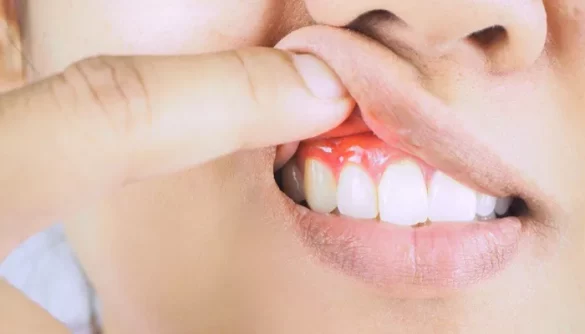
Gum disease is one of the most common oral health problems worldwide. Many people fear it leads to permanent damage. The objective of this article is to explain whether gum disease is irreversible. This article clarifies stages, biological changes, treatment limits, and realistic outcomes. The goal is to help readers understand what can heal, what cannot heal, and what actions matter most.
What Is Gum Disease?
Gum disease is a chronic inflammatory condition. It affects the tissues that support the teeth. These tissues include gums, ligaments, and bone. The disease begins with bacterial plaque. Plaque is a sticky biofilm. It forms on teeth every day. When plaque is not removed, it triggers inflammation.
How Gum Disease Develops
Bacteria release toxins. These toxins irritate the gums. The immune system responds. Blood flow increases. Swelling appears. Bleeding may occur. Over time, inflammation damages tissues. The disease progresses in stages.
Main Stages of Gum Disease
Gum disease is not a single condition. It includes several stages. Each stage has different healing potential. Understanding stages is essential to answering whether gum disease is irreversible.
Stage One: Gingivitis
Gingivitis is the earliest stage of gum disease. It affects only the gums. No bone loss occurs at this stage.
Signs of Gingivitis
Common signs include red gums. Swollen tissue is present. Bleeding occurs during brushing. Bad breath may develop. Pain is usually mild or absent.
Is Gingivitis Irreversible?
Gingivitis is not irreversible. It is fully reversible. With proper care, gums can return to health. Plaque removal stops inflammation. Professional cleaning removes hardened tartar. Healing occurs within days or weeks.
Why Gingivitis Can Heal
The reason lies in tissue biology. Gingivitis causes inflammation without structural destruction. The gum attachment remains intact. Bone is not affected. Once bacteria are controlled, tissues recover naturally.
Stage Two: Early Periodontitis
When gingivitis is untreated, it may progress. Early periodontitis begins. This stage involves deeper structures.
What Changes in Early Periodontitis
Inflammation spreads below the gum line. Gums pull away from teeth. Pockets form. Bacteria colonize these pockets. Mild bone loss may start.
Is Early Periodontitis Irreversible?
Early periodontitis is partially irreversible. Some damage can be stopped. Some damage cannot be reversed. Bone loss that has occurred does not naturally grow back. However, disease progression can be controlled.
What Can Be Restored
Inflammation can be reduced. Pocket depth may decrease. Gums can tighten. Tooth stability can improve. While lost bone does not regenerate naturally, function can be preserved.
Stage Three: Moderate Periodontitis
Moderate periodontitis involves greater tissue destruction. The disease becomes more difficult to manage.
Clinical Features of Moderate Periodontitis
Deeper pockets are present. More bone is lost. Teeth may feel loose. Gum recession becomes visible. Sensitivity increases.
Is Moderate Periodontitis Irreversible?
Moderate periodontitis is largely irreversible. Structural damage has occurred. The body cannot fully restore lost support. Treatment focuses on stabilization rather than reversal.
Treatment Goals at This Stage
The primary goal is disease control. Infection must be reduced. Further bone loss must be prevented. Tooth loss risk must be minimized.
Stage Four: Severe Periodontitis
Severe periodontitis represents advanced gum disease. It leads to significant tooth loss risk.
Characteristics of Severe Periodontitis
Large amounts of bone are destroyed. Teeth shift or drift. Bite function changes. Abscesses may form. Chewing becomes difficult.
Is Severe Periodontitis Irreversible?
Severe periodontitis is irreversible. Damage is extensive. Natural regeneration is not possible. Teeth may require extraction. Advanced interventions may be needed.
Long-Term Outlook
With treatment, disease can be controlled. Without treatment, tooth loss is likely. Quality of life is affected. Early detection is critical.
Why Gum Disease Becomes Irreversible
Irreversibility depends on tissue destruction. Soft tissue inflammation can heal. Hard tissue loss cannot regenerate easily.
Bone Biology Explained Simply
Bone remodeling occurs slowly. Periodontal bone loss involves complex immune reactions. Once the structure collapses, regrowth is limited. This makes advanced gum disease irreversible.
The Role of the Immune System
The immune response causes much of the damage. Chronic inflammation leads to tissue breakdown. This damage continues even when bacteria are reduced.
Can Lost Gum Tissue Grow Back?
Many patients ask this question. The answer depends on severity.
Natural Regrowth Limitations
Gum tissue does not fully regrow naturally. Minor swelling reduction may appear as regrowth. True attachment does not return without intervention.
Surgical Regeneration Options
Some procedures aim to regenerate tissue. These include grafts and guided regeneration. Results vary. Complete restoration is rare.
Can Bone Loss from Gum Disease Be Reversed?
Bone loss is a key factor in irreversibility.
Natural Bone Healing Limits
The body cannot rebuild lost alveolar bone on its own. Bone resorption is permanent without intervention.
Advanced Regenerative Techniques
Bone grafts may help. Growth factors may stimulate healing. Success depends on defect type. These methods improve stability but do not restore original anatomy.
Factors That Influence Reversibility
Not all patients experience the same outcome. Several factors influence disease progression and treatment success.
Oral Hygiene Habits
Consistent brushing matters. Interdental cleaning is critical. Plaque control slows disease.
Smoking and Tobacco Use
Smoking reduces blood flow. Healing is impaired. Disease becomes more aggressive. Irreversibility risk increases.
Systemic Health Conditions
Diabetes worsens gum disease. Immune disorders increase damage. Medication effects may alter healing.
How Dentists Determine Irreversibility
Dental professionals assess disease stage carefully.
Clinical Measurements
Pocket depth is measured. Bleeding is evaluated. Mobility is checked. These indicators show severity.
Radiographic Evaluation
X-rays reveal bone loss. Patterns show disease duration. Advanced loss suggests irreversibility.
Treatment Approaches Based on Stage
Treatment varies by disease severity.
Non-Surgical Treatment for Reversible Disease
Professional cleaning is essential. Scaling removes plaque. Root planing smooths surfaces. Inflammation reduces.
Surgical Treatment for Irreversible Disease
Surgery accesses deep pockets. Diseased tissue is removed. Regenerative materials may be placed.
Can Gum Disease Be Stopped Even If Irreversible?
Yes. Irreversible does not mean untreatable.
Disease Control Is Possible
Progression can be halted. Tooth loss can be delayed. Function can be maintained.
Maintenance Is Critical
Regular dental visits are required. Home care must be consistent. Monitoring prevents relapse.
What Happens If Gum Disease Is Ignored?
Ignoring gum disease leads to serious outcomes.
Oral Consequences
Teeth loosen. Abscesses develop. Pain increases. Tooth loss occurs.
Systemic Health Links
Gum disease is linked to heart disease. Diabetes control worsens. Inflammation affects overall health.
Psychological and Social Impact
The effects are not only physical.
Confidence and Appearance
Receding gums alter smiles. Tooth loss affects self-esteem. Social interactions may suffer.
Quality of Life
Chewing difficulty limits diet. Speech may change. Daily comfort is reduced.
Can Early Action Prevent Irreversibility?
Early action is the most powerful tool.
Routine Dental Visits
Regular checkups detect gingivitis early. Professional cleaning prevents progression.
Daily Home Care Importance
Brushing twice daily removes plaque. Flossing cleans between teeth. Antimicrobial rinses help.
Common Myths About Gum Disease Irreversibility
Misinformation is common.
Myth: Bleeding Gums Are Normal
Bleeding indicates inflammation. It should not be ignored.
Myth: Tooth Loss Is Inevitable
Tooth loss is preventable. Early care preserves teeth.
Living With Irreversible Gum Disease
Many patients live full lives with controlled disease.
Long-Term Management Strategies
Frequent cleanings are needed. Lifestyle changes help. Compliance is essential.
Restorative Options After Damage
Missing teeth can be replaced. Bridges and implants restore function. Planning must consider bone loss.
Conclusion
The answer depends on stage. Gingivitis is reversible. Early periodontitis is partially reversible. Moderate and severe periodontitis are irreversible. However, irreversible does not mean hopeless. With timely treatment, progression can stop. Teeth can often be preserved. Early detection remains the key to protecting oral health.