


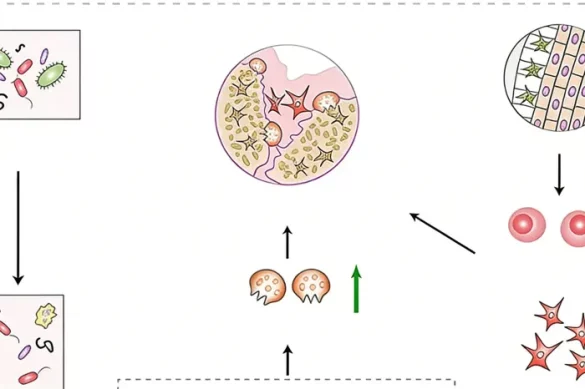
periodontal disease, commonly known as gum disease, affects millions of people globally and is a leading cause of tooth loss in adults. Patients have long faced invasive and uncomfortable treatments, and for those with severe disease, the challenge of reversing gum and bone loss often seemed insurmountable. Now, with the advent of stem cell research, hope is on the horizon for a more effective and regenerative solution.
Understanding periodontal disease
What Is periodontal disease?
periodontal disease is a bacterial infection that affects the gums and the structures supporting the teeth. It often begins as gingivitis, with swollen and bleeding gums. If untreated, it can progress to periodontitis, causing the destruction of gum tissue and alveolar bone. This may lead to tooth mobility and ultimately tooth loss. Traditional treatments focus mainly on infection control, deep cleaning, and surgery to halt further tissue loss, but they do not truly regenerate lost tissue.
Why Is Regeneration Important?
Regeneration is crucial because once the supporting structures of teeth are lost, it becomes difficult to restore oral health and function. Patients want treatments that not only stop the disease but also rebuild what has been lost, ensuring better outcomes, quality of life, and confidence.
The Promise of stem cell therapy for periodontal disease
What Are stem cells?
stem cells are unique cells that have the potential to develop into many different cell types in the body. In dentistry, the focus is on stem cells that can become bone, cartilage, or gum tissue. These cells can be harvested from various sources, including dental pulp (inside teeth), bone marrow, or even fat tissue.
How Could stem cells Transform Gum Disease Treatment?
Unlike conventional treatments, stem cell therapy aims not only to halt disease progression but to actively regenerate damaged gum and bone tissue. By introducing stem cells to the affected site, scientists believe these cells will stimulate natural tissue repair. This could help patients recover lost gum tissue, increase bone support, and even possibly save teeth that would otherwise be extracted.
Current Research and clinical trials
Breakthroughs in the Laboratory
Recent laboratory studies and animal tests have paved the way for human clinical trials in the field of periodontology.
Researchers have demonstrated that different types of stem cells can encourage regeneration of both gum tissue and supporting bone.
Notable Clinical Studies
One multicenter randomized clinical trial evaluated the use of allogeneic dental pulp stem cell injection for tissue regeneration in patients with periodontitis. allogeneic means the stem cells are derived from a donor rather than the patient. Early results are encouraging, showing improved tissue healing and reduced inflammation. These advances are bringing stem cell therapies closer to real-world dental practice.
What Makes stem cell treatment Different?
stem cell therapy is distinct in its approach to periodontitis because it does not simply manage symptoms. Instead, it offers a mechanism for actual tissue repair. Alongside this, other regenerative methods—like the use of growth factors, gene therapy, and advanced biomaterials—are being developed and may work together with stem cell approaches for optimal results.
When Will stem cell treatment Be Available for periodontal disease?
How Far Has the Science Progressed?
stem cell treatment for periodontal disease has now reached the late experimental stage in several leading research centers. Preclinical animal data and early-phase human studies suggest stem cell therapy is safe and potentially effective for promoting tissue regeneration.
However, more large-scale, well-controlled clinical trials are required to confirm its safety for routine use and to refine protocols for best outcomes. regulatory approval is another major milestone that needs to be achieved before dental practitioners can offer stem cell therapies as part of standard care.
Experts’ Estimates
Leading periodontists and oral biologists believe that stem cell treatments for gum disease may become widely available for clinical use within the next five to ten years. The timeline may vary by country and region, depending on regulatory approval, trial results, and healthcare infrastructure. The most optimistic estimates suggest some advanced clinics could start offering cutting-edge therapies in this decade, especially for patients involved in clinical research or at specialized centers.
Current Availability
At present, stem cell therapy for gum disease is mostly limited to clinical trials and research programs. Patients interested in these cutting-edge therapies may inquire with university dental hospitals or large dental research centers about clinical trial participation. Standard dental practices are not yet able to offer this treatment outside experimental settings.
Other Innovations Supporting Periodontal Regeneration
3D Printing and tissue engineering
3D-printed scaffolds are helping guide tissue regeneration. These biocompatible structures can work together with stem cells to ensure that newly formed tissue grows in the correct location and shape, further improving outcomes for periodontal patients.
Biological Enhancements
growth factors—proteins that stimulate healing—can be combined with stem cell therapy to accelerate tissue formation. Similarly, gene therapy is under investigation as a way to support tissue repair at the molecular level. advanced biomaterials are also being designed for better integration into existing gum and bone structures.
Host Modulation and Microbiome Approach
Modern periodontal therapies also focus on balancing the mouth’s bacterial environment using probiotics and reducing the body’s inflammatory response, thereby supporting the long-term success of regeneration strategies like stem cell therapy.
What Do Patients Need to Know?
Is stem cell therapy Safe?
So far, early data indicate that stem cell therapy for periodontal regeneration is safe if administered properly in a clinical setting.
However, as with any new medical treatment, long-term safety still needs to be monitored.
Who Might Be Eligible?
Initially, stem cell therapies will likely be reserved for patients with advanced periodontitis who have not responded to conventional treatments or are involved in research studies. As evidence builds and regulatory barriers are cleared, access will gradually expand.
What Can Patients Do Now?
Patients are encouraged to maintain good oral hygiene, attend regular dental checkups, and seek timely professional care for gum disease. Those interested in regenerative treatments should consult with their periodontist or dental specialist about ongoing clinical trials for potential participation.
Conclusion
stem cell therapy holds great promise as a revolutionary treatment for periodontal disease. Although not yet available as a routine procedure, progress is rapid, and the gap between research and clinical reality is narrowing. As ongoing trials establish effectiveness and safety, experts anticipate that stem cell-based periodontal regeneration will become a viable clinical option within the next decade. For now, patients should continue following recommended dental care practices while keeping an eye on emerging treatments that could soon change the future of gum health.
Frequently Asked Questions
When will stem cell treatment for periodontal disease be generally available?
Most experts estimate clinical introduction within 5–10 years, but some trials are ongoing now in research centers.
Is stem cell treatment for gum disease safe?
Early research points to good safety in controlled settings, but long-term studies are still needed.
Who qualifies for stem cell therapy for periodontitis?
Currently, mostly patients in clinical trials or specialized medical programs; broader availability is expected after regulatory approval.
What other new treatments are being studied?
Other innovations include laser therapy, 3D-printed scaffolds, growth factors, and microbiome modulation, many of which may work alongside stem cells in upcoming treatment plans.