


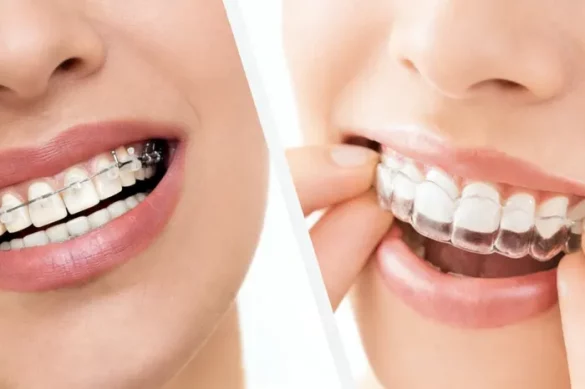
Many people wonder if their teeth or their child’s teeth require braces, but identifying the need can sometimes be tricky without expert knowledge. Understanding the signs and symptoms of orthodontic issues is essential for achieving not only an attractive smile but also long-term oral health. In this complete guide, we cover the key indicators that suggest orthodontic treatment might be necessary, what types of problems braces can solve, and steps to take if you suspect you or your child could benefit from braces.
Why braces May Be Necessary
braces are specialized dental devices used for correcting the alignment of teeth and jaws. The objective is to achieve both functional and aesthetic improvements. Proper alignment of teeth does much more than create a beautiful smile; it ensures that teeth function effectively, are easier to clean, and do not cause additional health issues. Untreated misaligned teeth can lead to speech difficulties, increased risk of tooth decay, gum disease, and excessive wear on tooth surfaces.
Common Signs You Might Need braces
There are several clear signs that suggest an adult or child might need orthodontic intervention. While some symptoms are obvious, others may go unnoticed unless checked during a dental appointment.
crooked or crowded teeth
One of the clearest indicators is visible crooked or crowded teeth. When the teeth overlap, twist, or do not appear straight, it often points to a lack of space in the mouth. Crowding can make brushing and flossing challenging, increasing the risk of cavities, gum disease, and bad breath. Even individuals who wore braces as children can experience crowding later in life.
gaps or spacing issues
In contrast to crowding, noticeable gaps or excessive spaces between teeth are another common reason for orthodontic treatment. Gaps might result from missing teeth, unusual tooth size, or a jaw that is larger compared to the size of the teeth. Leaving these gaps untreated may affect appearance and the bite.
Irregular Bites (malocclusion)
Malocclusions are conditions where the upper and lower teeth do not meet or align correctly. Common forms include:
overbite
When upper front teeth overlap significantly over lower front teeth, it is called an overbite. Overbites can cause bite problems, speech issues, and increase the risk of injury to the front teeth.
underbite
Opposite to an overbite, an underbite occurs when the lower front teeth extend past the upper front teeth, often because of disproportionate jaw growth. This can affect chewing and lead to faster facial aging.
crossbite
A crossbite happens when some upper teeth bite inside the lower teeth, rather than outside. Untreated crossbites can cause uneven jaw growth, excessive tooth wear, and receding gums.
open bite
An open bite exists when the upper and lower teeth do not touch at all when biting down. This makes biting and speaking difficult and may require intervention to correct.
Functional and Sensory Symptoms
Sometimes, the need for braces does not show clearly through appearance alone. Consider the following symptoms as warning signs:
- difficulty flossing or brushing due to crowding
- Frequent biting of the tongue or inner cheeks
- trouble chewing or biting into certain foods
- jaw pain, clicking, or fatigue after chewing
- speech problems caused by teeth positioning
Such symptoms can affect quality of life, nutrition, and oral health. Early detection and treatment typically offer the best outcomes.
Inherited and Childhood Factors
Children may display early signs of orthodontic needs before adult teeth emerge. Certain habits and genetic indicators should prompt parents to seek an orthodontic evaluation for their child:
- Crooked or crowded baby teeth
- Persistent thumb-sucking or pacifier usage after age 2
- Consistent mouth-breathing
- Early or late loss of baby teeth
- Regular tongue or cheek biting
Genetics and poor nutrition during early years can also play a role in teeth development, so monitoring your child’s oral habits is important.
The Importance of dental hygiene and Interceptive Care
Improperly aligned teeth are harder to clean, increasing risks for dental issues. If you have areas in your mouth that are difficult to reach or floss, this could be a consequence of crowded or misaligned teeth. Accumulation of plaque and bacteria can lead to gum disease, tooth decay, and long-term oral damage. Addressing alignment issues early can reduce the risk of these complications.
self-assessment: Questions to Ask Yourself
Some questions can help you decide if it is time to consult an orthodontist:
- Are you unhappy with your smile’s appearance?
- Do you feel discomfort or difficulty when chewing?
- Have you noticed your bite feels abnormal or your teeth do not close naturally?
- Has a dentist ever recommended seeing an orthodontist?
- Is there a family history of orthodontic problems?
Answering “yes” to several of these points suggests talking with a specialist would be helpful.
Seeking Professional Advice
Although self-assessment provides initial insight, only a dental professional or orthodontist can make a proper diagnosis. They may use X-rays, dental history, and a physical exam to determine whether braces are needed and what treatment approach is most suitable. Early detection can prevent further complications and may offer simpler treatment options.
What to Expect From an Orthodontic Consultation
During your visit, the orthodontist will:
- Assess teeth alignment and jaw position
- Review your medical and dental history
- Take X-rays or other diagnostic records
- Discuss treatment goals and options
Orthodontists can explain different treatments, expected duration, costs, and care instructions, helping you make an informed decision.
Conclusion
Recognizing whether you need braces depends on a mix of visible dental issues, functional problems, family history, and professional evaluation. If you have crooked or spaced teeth, difficulty cleaning your mouth, discomfort when biting or chewing, or speech problems, consider visiting an orthodontist. Early and appropriate treatment not only improves smile aesthetics but also prevents more serious oral health issues in the future. braces are a trusted tool for achieving optimal oral function and lifelong dental health.
FAQs
How young is too young to consider braces for my child?
Orthodontic assessments are recommended by age 7 since some issues are easier to address while the jaw is still developing.
Are braces only for children and teenagers?
No, adults can benefit from braces too. Treatment options are available for all ages.
Will getting braces improve my oral health?
Yes, properly aligned teeth are easier to keep clean, which reduces the risk of cavities, gum disease, and other issues.
How long do most people need to wear braces?
The duration varies, but most individuals wear braces from 1 to 3 years, depending on their needs.
Is a referral necessary to see an orthodontist?
A referral is not always necessary. Many orthodontists accept patients directly for consultations.