


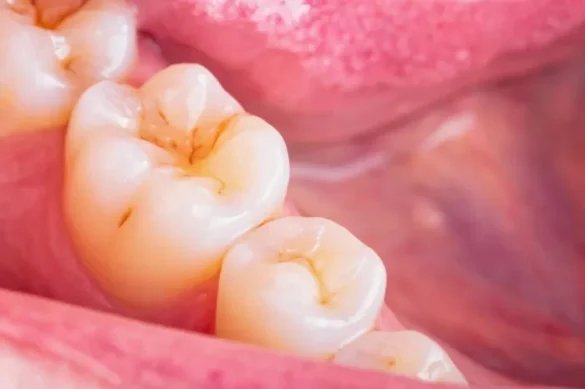
Tooth decay is a common issue that affects individuals of all ages, and understanding what a new cavity looks like is essential for maintaining oral health. Cavities, also known as dental caries, develop gradually and can go unnoticed until they start causing discomfort. Being able to recognize the signs of a new cavity can lead to early treatment and prevent further damage to your teeth.
How Cavities Form
Cavities are caused by acids produced by bacteria in your mouth. These acids erode the hard enamel surface of your teeth, creating tiny holes. The process begins when bacteria feed on the sugars and starches in the foods you eat. As the bacteria break down these carbohydrates, they produce acid as a byproduct. This acid then mixes with food particles and saliva to create plaque, a sticky substance that coats the teeth. If not removed through brushing and flossing, plaque can erode the enamel, leading to cavities.
The Stages of Tooth Decay
Tooth decay is not an overnight process. It moves through several stages, each with distinct characteristics.
Demineralization
In the earliest stage, you may notice small, white, chalky spots on the surface of your teeth. These spots indicate areas where minerals have been lost from your enamel. At this point, the damage is reversible, especially with improved oral hygiene and fluoride treatments to strengthen the enamel.
Enamel Decay
If demineralization is not addressed, the acid continues to break down the enamel. Cavities begin to form, and you might start to see more noticeable changes, such as a slight discoloration or tiny holes. White spots may turn to light brown as the decay progresses. At this stage, the cavity is still relatively small, but prompt treatment is important.
Dentin Decay
Underneath the enamel lies dentin, a softer tissue that quickly succumbs to damage once exposed. If the cavity penetrates through the enamel into the dentin, you may start to notice increased sensitivity to hot, cold, sweet, or sour foods. The spots on your teeth can appear darker brown. Pain is more likely to occur when the decay reaches this layer.
Pulp Damage
The pulp sits at the center of the tooth and contains nerves and blood vessels. If decay extends this far, it can cause significant pain and swelling in the surrounding gums. Spots on the tooth may turn dark brown or black, indicating advanced damage.
Abscess Formation
If left untreated, a deep cavity can cause an infection. This results in a pocket of pus at the root of the tooth and may lead to swelling in the jaw or face. At this phase, the infection can spread to other parts of the body and requires urgent medical attention.
What Does a New Cavity Look Like?
Recognizing a new cavity can be challenging, as early stages tend to lack dramatic visual symptoms. However, there are common signs to watch for:
White Spots
The first evidence of a new cavity often appears as small, white, or chalky patches on the tooth surface. This signifies mineral loss and is a warning that enamel is being eroded by acids. These spots are usually flat and blend into the natural color of the tooth, making them easy to miss.
Discoloration
As decay worsens, the affected area may turn light brown and then darker. Small brown or black spots can develop on the tooth surface, which are more noticeable than the initial white patches. Unlike stains caused by food or beverages, cavities tend to appear on isolated spots, while stains typically affect multiple teeth.
Sensitivity
While not always visible, sensitivity is a common early symptom. You may experience discomfort when consuming hot, cold, sweet, or sour foods. This sensitivity occurs because the enamel is thinning and the underlying dentin is exposed.
Tiny Holes or Pits
In some cases, you may see very small holes or pits on the tooth. These are the direct beginning of the cavity and are a sign that the enamel layer has already been breached. Such holes may not be visible without close inspection or dental tools, making regular checkups essential for early detection.
Pain or Discomfort
Pain is not typically present in the initial phase of a cavity. However, as the decay proceeds to deeper layers, discomfort or mild pain may occur. If you find yourself avoiding chewing on a particular tooth due to sensitivity or pain, this could indicate cavity progression.
Differentiating Cavities From Stains
It is important to distinguish between a cavity and common tooth stains. Stains from foods or beverages like coffee and tea usually cover larger areas and fade after cleaning or professional whitening. Cavities, on the other hand, generally appear as isolated dark spots or white areas and do not disappear with normal brushing.
If you notice a persistent, single spot on one tooth that does not go away, especially if accompanied by sensitivity, it is likely a cavity and should be evaluated by a dental professional.
Prevention Is Key
Stopping a cavity before it grows is the best way to protect your teeth. Preventive measures include:
Daily Oral Hygiene
Brush your teeth at least twice a day with fluoride toothpaste. Floss daily to remove plaque and food particles from between the teeth, where cavities often form.
Professional Dental Cleanings
Visit your dentist regularly for checkups and cleanings. Dental professionals can identify cavities in their early stages using special tools and X-rays. Early intervention can stop further damage and minimize treatment requirements.
Fluoride Treatments
Fluoride helps strengthen tooth enamel and can reverse early decay. Many dentists provide fluoride treatments, especially for patients prone to cavities or children.
Balanced Diet
Limit sugary and starchy foods and drinks. These items feed the bacteria that produce acid, increasing cavity risk. Choose water, vegetables, and whole grains for optimal oral health.
Dental Sealants
Dental sealants provide a protective coating for the top surfaces of molars and premolars. This helps prevent plaque and acid from settling into deep grooves where cavities frequently develop.
What To Do If You Suspect a New Cavity
If you suspect you have a new cavity, do not wait for pain to develop. Early cavities can sometimes be reversed if treated promptly. Schedule a dental appointment for a professional evaluation. Your dentist will use visual examination, probing tools, and X-rays to detect cavities and recommend the best course of action.
Depending on the stage of tooth decay, treatment options include fluoride application, dental fillings, or, in advanced cases, root canal therapy. Left untreated, cavities can result in tooth loss and more severe infections.
Conclusion
A new cavity may look like a small white or brown spot, cause increased tooth sensitivity, or create tiny pits in your tooth surface. Recognizing these signs early gives you a better chance of reversing damage and avoiding complicated dental procedures. Maintain a strict oral hygiene routine, visit your dentist regularly, and be mindful of your diet to keep your teeth healthy and cavity-free.
FAQs
What is the first visible sign of a new cavity?
Usually, a small, white, chalky area appears on the enamel as the initial sign.
Can early cavities be reversed?
Yes, damage at the demineralization stage can often be reversed through fluoride treatments and improved oral hygiene.
How do I know if a spot is a cavity or just a stain?
Cavities typically present as single, dark spots on one tooth, while stains often affect several teeth and may fade after cleaning.
Should I always visit the dentist if I suspect a cavity?
Yes. Early dental evaluation is crucial for efficient treatment and to prevent further tooth decay.
Is pain a reliable symptom of a cavity?
Pain is not common in early cavities and usually indicates the cavity has reached deeper layers of the tooth. Sensitivity is more typical in the beginning stages.