


The cost of a root canal treatment can be a major concern for many dental patients, even for those who have dental insurance. Dental procedures like root canals are essential to saving a tooth that might otherwise need to be extracted. Understanding how much a root canal costs after insurance can help you prepare for treatment and manage your oral health budget more effectively.
What Is a Root Canal and Why Is It Needed?
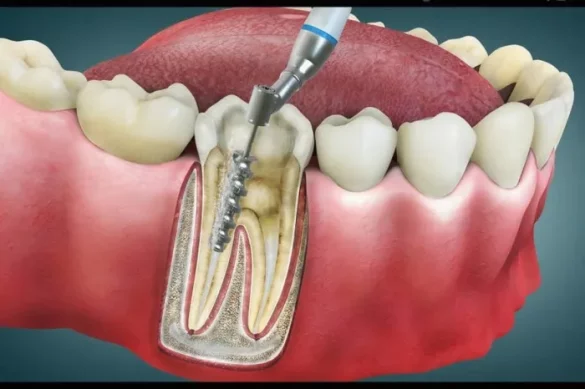
A root canal is a dental procedure used to save a tooth with a diseased or infected pulp. The dentist removes the infected tissue, cleans the inside of the tooth, and seals it. Without treatment, the infection could spread, causing pain, abscess, or eventual tooth loss. Root canal therapy offers an effective solution to prevent advanced oral health problems and maintain your natural teeth.
How Much Does a Root Canal Cost With Insurance?
Root canal costs can vary widely, but dental insurance can significantly reduce your out-of-pocket expenses. Typically, insurance plans cover 50% to 80% of the procedure after any deductible is met. On average, the cost for a root canal with insurance can be broken down by tooth type:
- Front teeth (incisors, canines): $200 – $500 out-of-pocket
- Premolars (bicuspids): $300 – $700 out-of-pocket
- Molars (back teeth): $400 – $900 out-of-pocket
These estimates may change based on your insurance plan details, dentist fees, and the complexity of the case. Always check with your provider for the most specific estimate.
Factors That Affect the Cost of a Root Canal After Insurance
Several factors determine how much you will actually pay for a root canal, even after insurance coverage. Understanding these influences can help you estimate your expenses more accurately.
1. Tooth Location
Root canals on molars are more costly than those on front teeth. Molars have more roots and are harder to access, which means the procedure is more complex and takes longer.
2. Dentist Type
General dentists typically charge less than endodontists, who are specialists in root canal treatment. Some insurance plans may only cover treatments performed by professionals within their network.
3. Insurance Plan Details
Insurance variables that can impact your cost include:
- Coverage percentage (commonly 50-80%)
- Annual maximum benefit (the total amount your insurance will pay per year)
- Deductible (the amount you must pay before your insurance contributes)
- Provider network status (in-network providers cost less)
4. Complexity of the Treatment
Teeth with multiple canals, unique anatomy, or severe infection may require more time and effort, which can increase the fee. Retreatment of previously treated teeth may also be more expensive.
5. Geographic Location
Dental costs are higher in metropolitan areas and regions with a higher cost of living. Rural areas often have lower treatment fees.
What Is a Typical Insurance Payment Scenario?
To give a realistic picture, let’s consider a hypothetical patient with an insurance plan that covers 80% of root canal treatment, a $1,000 annual maximum, and a $50 deductible, using an in-network provider:
- Molar root canal treatment fee: $1,000
- The patient pays the $50 deductible first
- Insurance covers 80% of the remaining $950 ($760)
- Patient’s out-of-pocket responsibility: $50 deductible plus 20% ($190) = $240 total
If the insurance plan has already paid out a large portion of the annual maximum for other procedures, the patient could end up paying more. It’s important to check annually how much benefit is remaining on your plan.
Additional Costs to Consider: Crowns and Restorations
The cost of a root canal is only part of the equation. After root canal therapy, most teeth require a crown or other restoration to strengthen and protect them. The price for a dental crown typically ranges from $1,000 to $1,500 without insurance. With insurance, your out-of-pocket cost is usually $500 to $1,500 more, depending on your plan and the material used.
Failing to get a crown after a root canal can leave the tooth vulnerable to fracture, so plan for this additional expense as part of your treatment.
Does Dental Insurance Always Cover Root Canals?
Most dental insurance policies consider root canals a major procedure and will cover a portion of the cost. However, coverage levels vary. Some plans cover only 50% while others may pay up to 80%. Coverage may depend on how much of your annual maximum you have already used. Always confirm with your insurer before beginning treatment.
Same-Day Root Canal Cost Considerations
Same-day root canals, where treatment happens in a single visit, do not usually cost more than traditional multi-visit treatments. The price is determined by the complexity of your case and the dentist’s fee structure, not the treatment speed.
Payment Options and Financial Tips
If the out-of-pocket cost for a root canal (including crown) is hard to manage, there are a few options to consider:
- Payment plans: Many dental clinics offer payment plans to spread costs over several months.
- Health savings accounts (HSA) or flexible spending accounts (FSA): These accounts allow you to pay for dental treatment with pre-tax dollars.
- Discussing cost breakdowns: Ask your dental provider for a pre-treatment cost estimate and request an itemized bill.
- Shop around: Fees can vary by provider even within the same area, so it is wise to consult more than one dentist if you are seeking the most affordable price.
What to Ask Your Dentist and Insurance Provider
When considering a root canal, ask the following:
- What is your fee for the procedure (by tooth type)?
- Do you accept my dental insurance, and are you in-network?
- What will my estimated out-of-pocket expense be?
- Will I need a crown afterwards, and what will that cost?
- Are there additional fees for X-rays, follow-ups, or anesthesia?
Conclusion
While root canals can be expensive, dental insurance often covers a significant portion of their cost, especially for those with adequate coverage and who use in-network providers. After insurance, you can expect to pay anywhere from $200 to $900 out-of-pocket for the root canal itself, with additional costs for crowns and follow-up care. The final amount will depend on your insurance policy, the tooth that needs treatment, where you live, and the complexity of your dental issue. Preparing by confirming coverage and seeking pre-estimates ensures there are no unexpected surprises. Always work with your dental provider and insurer to plan your care and your payments so you can preserve both your smile and your budget.
FAQs
1. Will my dental insurance pay for the full cost of a root canal?
Typically, dental insurance covers 50–80% of the cost, not the full amount. You are responsible for deductibles, co-insurance, and any amount over your annual maximum.
2. Is it cheaper to get a root canal with dental insurance?
Yes, insurance can significantly decrease your out-of-pocket treatment costs compared to paying entirely out of pocket.
3. How much will I likely pay for a root canal after insurance?
Your final cost can range from $200 to $900, depending on tooth type, your plan, and your provider’s fees.
4. Do all teeth need a crown after a root canal?
Most teeth do, especially molars and premolars, to prevent fracture after treatment. The crown itself will be an additional out-of-pocket cost.
5. What if I have already reached my insurance plan’s annual maximum?
If your annual maximum is used up, you will pay 100% of the root canal and crown fees out of pocket until your plan renews.