


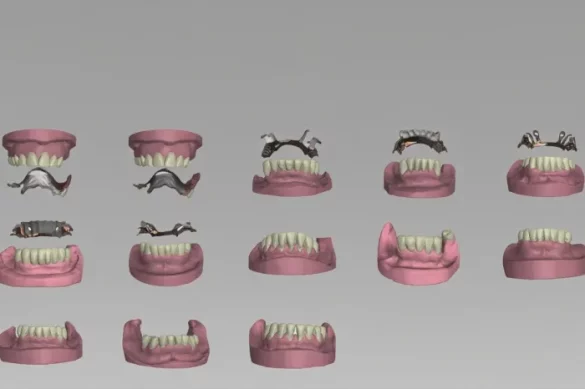
Missing teeth can have a significant impact on your appearance, comfort, and oral health. For people missing several teeth but still retaining some natural ones, removable partial dentures offer an effective and practical solution for restoring function and confidence. But with several options available, many patients wonder: how many types of removable partial dentures are there, and which one is best for their needs?
What Is a Removable Partial Denture?
A removable partial denture is a custom dental device designed to replace one or more missing teeth. It fits securely in the mouth, supported by the remaining natural teeth and surrounding oral structures. Unlike a fixed bridge or implant, a removable partial denture can be taken out and put back in by the patient without professional assistance. This makes cleaning and maintenance easier, and adjustments can be made if the fit changes over time.
Why Choose a Removable Partial Denture?
Losing teeth affects more than just your smile. It can change the way you eat, speak, and even how your jaw functions. A removable partial denture helps restore these abilities. It also fills gaps in your smile, preventing neighboring teeth from shifting, which can cause further oral health problems. Patients choose removable partial dentures because they are less invasive and more affordable than implants, and they are easy to adapt to various clinical scenarios.
The Three Main Types of Removable Partial Dentures
When considering a removable partial denture, it’s important to know there are three basic types. Each has unique materials and features, offering specific advantages and disadvantages.
1. Cast Metal Removable Partial Denture
This is the most common and well-established type of removable partial denture. It consists of a metal frame, usually made from a cobalt-chromium alloy, which provides a strong and durable foundation. Artificial acrylic teeth are attached to this framework. Metal clasps or hooks help secure the denture by gripping certain natural teeth.
Cast metal partial dentures are renowned for their strength and longevity. They can withstand the forces of chewing better than other types. The fit is usually comfortable and stable because the metal framework is made precisely to match the patient’s mouth. Cast metal partials are also less bulky than some alternatives, but the metal clasps may sometimes be visible when talking or smiling.
This denture is often recommended for patients seeking a combination of durability, functionality, and long-term use. However, a cast metal partial is not usually chosen for temporary solutions or cases where the appearance of metal clasps might cause self-consciousness.
2. Acrylic Removable Partial Denture (Flipper)
An acrylic partial denture, often called a “flipper,” is another option. It is made mostly of acrylic resin—the same material used for full dentures or the pink gum part of other dental prosthetics. Flippers do not have a metal base plate, but may contain small wire clasps to help hold them in place.
Acrylic partial dentures are typically lightweight and less expensive compared to cast metal types. They are easy to fabricate, making them a popular temporary solution while waiting for a more permanent denture or another type of dental work. For example, a flipper may be used after a tooth extraction while the gums heal.
However, acrylic partials can be bulkier and less comfortable than metal or flexible options. They are also more prone to breakage and wear, so they are usually not recommended for long-term daily use, especially in areas where chewing forces are high. Nevertheless, some patients do find them comfortable and may use them for years.
3. Flexible Partial Denture
The flexible partial denture is made from a nylon-based thermoplastic material, rather than acrylic or metal. Often known by the brand name Valplast, flexible partials have gained popularity due to their unique comfort and aesthetic qualities.
Flexible partial dentures have no metal clasps. The material is translucent, allowing the patient’s natural gum color to show through, resulting in a more natural appearance. This type is also an excellent choice for people who are allergic to certain materials used in other dentures, such as acrylic.
The biggest advantages of flexible dentures are comfort and appearance. They adapt closely to the natural movements of the mouth, making them lightweight and comfortable to wear. They are also surprisingly strong despite their flexibility, though they may not provide the same study chewing support as cast metal dentures.
Patients who value discretion and comfort often prefer flexible partial dentures. However, they may not be the ideal choice for everyone, especially patients who need to replace several teeth in areas with strong bite forces.
Comparing the Types: Key Considerations
Choosing the right type of removable partial denture depends on several factors, including cost, appearance, strength, oral health, and personal preferences.
- Cost: Acrylic partial dentures are usually the most affordable, but also the least durable. Cast metal options, while more expensive, offer a longer service life. Flexible dentures fall between these options in terms of cost, but their comfort and looks make them attractive to many people.
- Appearance: Flexible partial dentures offer the best aesthetics, with no visible metal and a gum-like base. Cast metal dentures are less noticeable than many assume, though metal clasps may sometimes show. Acrylic dentures are typically designed more for function than cosmetics.
- Durability: For long-term use, cast metal partial dentures usually outperform both acrylic and flexible options. Flexible dentures are less prone to breakage than acrylic, but not as sturdy as metal. Acrylics are most likely to crack under pressure or after repeated use.
- Comfort: Flexible dentures are generally the most comfortable due to their material and close fit. Cast metal dentures can also be comfortable when properly adjusted. Acrylic dentures sometimes feel bulky or loose, especially if not precisely fitted.
- Adjustment and Repair: Acrylic partial dentures are easy to adjust or repair since acrylic is a simple material to work with. Cast metal frameworks require specialized dental skills for repairs, while flexible partials can be difficult to modify once made.
The Process of Getting Removable Partial Dentures
The process begins with a careful clinical examination by a dental professional. The dentist will check the health of the remaining teeth, gums, and oral tissues. Multiple impressions and measurements of your mouth are taken to ensure the best custom fit.
For some patients, a temporary acrylic partial (flipper) may be made first. This gives time for gums to heal and for the dental team to plan the most suitable permanent solution. Final dentures are then crafted and fitted, followed by several adjustment visits.
Once the denture is ready, patients receive instructions on how to wear, clean, and care for it. Good oral hygiene and regular dental check-ups are essential to ensure long-term comfort and oral health. Every patient’s needs are unique, so ongoing evaluation with a dental professional is vital.
Advantages and Disadvantages of Removable Partial Dentures
Each type of removable partial denture comes with unique strengths and weaknesses.
- Cast metal dentures: Pros include durability, stability, and long-term performance. Cons are the possible visibility of metal and higher cost.
- Acrylic dentures: Pros are low cost and quick fabrication. Cons include reduced durability and bulkiness.
- Flexible dentures: Pros are superior comfort and aesthetics. Cons include limited suitability for higher bite forces and more complex repairs if damaged.
How to Choose the Best Option for You
The best removable partial denture for you depends on your oral health, budget, aesthetic priorities, and comfort needs. Discuss your goals and expectations openly with your dentist. An experienced prosthodontist or dentist can recommend the most appropriate type based on your specific condition.
Choosing the right partial denture can improve your ability to eat, speak, and smile with confidence. Modern materials and techniques allow for partial dentures that are comfortable, functional, and natural-looking.
Conclusion
There are three main types of removable partial dentures: cast metal, acrylic, and flexible. Each has its own strengths and weaknesses, affecting comfort, appearance, longevity, and price. Understanding these types will help you make an informed choice about tooth replacement. Consult with your dental professional to discuss your unique situation, and be sure to follow their recommendations for the best possible outcome. Removable partial dentures can transform your quality of life, restoring not just your smile but also your self-confidence.
Frequently Asked Questions (FAQs)
What is the most durable type of removable partial denture?
The cast metal partial denture is generally considered the most durable and long-lasting option due to its strong metal framework.
Can I wear a removable partial denture all day?
Yes, but it is important to remove the denture at night and clean it regularly to maintain oral health and prolong the life of the appliance.
Are flexible partial dentures suitable for everyone?
Flexible dentures are comfortable and aesthetic, but they may not provide enough support for patients who need to replace several teeth or who have very strong chewing requirements. Always check with your dentist for personalized advice.
How long do removable partial dentures last?
With proper care, cast metal partial dentures can last 5-10 years or longer. Acrylic and flexible dentures tend to have shorter lifespans and may need to be replaced more frequently.
Is it possible to eat normally with a partial denture?
Most people can eat comfortably with a well-fitted partial denture, though there may be an adjustment period. Start with soft foods and slowly progress to a normal diet as you adapt.