


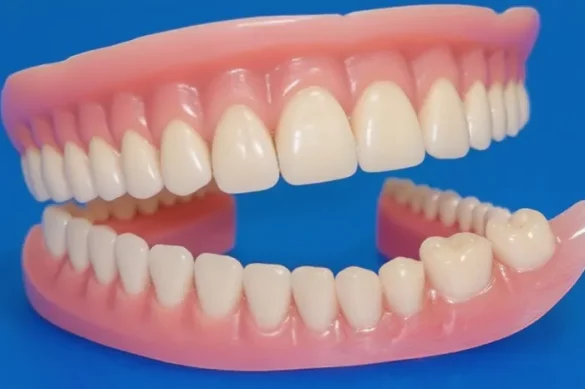
Dentures, or false teeth, have long been used to restore smiles and chewing function for those who have lost their natural teeth. Modern techniques make it possible for dentures to look very much like natural teeth, but some people may still wonder how to tell if someone is wearing false teeth. Understanding the clues and the changes dentures might cause in appearance, speech, and comfort can help you spot them, while appreciating that well-made dentures can be almost impossible to detect.
What Are False Teeth?
False teeth, most commonly known as dentures, are custom-made dental appliances that replace missing teeth and some of the surrounding gum tissue. Dentures can be full (replacing all teeth in the upper or lower jaw) or partial (replacing a few missing teeth). They are designed to look, feel, and function as close as possible to natural teeth.
Facial Changes Due to Missing Teeth and Dentures
When a person loses their natural teeth, significant changes occur in the face. Natural teeth are anchored in the jawbone, and their presence stimulates the bone and helps maintain facial structure. Without teeth, the jawbone begins to shrink and resorb due to lack of stimulation. This process can lead to sunken cheeks, wrinkled lips, and sagging skin, often called “denture face” or facial collapse.
Dentures are made to restore this lost facial support. Well-designed dentures can lift the face and return it to a more youthful appearance. However, if dentures fit poorly, are oversized, or too small, they may cause bulging lips, sunken cheeks, or unnatural lines around the mouth.
How Can You Tell If Someone Has False Teeth?
1. Changes in Facial Proportion
People who wear dentures may have subtle changes in their face shape. If dentures are too large, the area around the lips and mouth may stick out, creating a bulging look. If they are too small or poorly fitting, the face might appear sunken, especially in the cheeks and around the mouth. Deep creases, called nasolabial folds or “parenthesis lines,” may develop, and the upper lip can fold inward, resulting in an aged look.
2. The Denture Smile
Dentures can be made to provide a perfect, white, and even smile. Sometimes, this can look unnatural if compared to typical natural teeth, which usually have some slight variation in shape, alignment, and color. A smile that appears “too perfect” or a uniform set of teeth with no subtle differences can signal the presence of dentures. However, skilled dental technicians can make dentures incredibly realistic, which can make this sign unreliable.
3. Speech Clues
Wearing dentures, particularly for the first time, can affect speech. Some sounds – especially “s,” “sh,” “ch,” and “th” – might cause a slight lisp or slur if the dentures fit improperly. Over time, most denture wearers adapt and speak clearly, but periodic slips in pronunciation can sometimes indicate the presence of dentures.
4. Observation During Eating
Dentures may shift or move slightly during eating, especially if they do not fit well. You might notice a person adjusting their dentures with their tongue or fingers, chewing food more carefully, or avoiding certain hard or sticky foods. Some denture wearers may cut food into small pieces to make chewing easier. Of course, many people without dentures do this as well, so it’s only a possible clue.
5. The Gum Line Appearance
Look closely at the area where the teeth meet the gums. With natural teeth, the gum usually looks like one smooth surface, while dentures may reveal an artificial line or a slightly different color between the gum and the tooth. High-quality dentures carefully mimic real gum tissue, but less expensive options may not look exactly like natural gums.
6. Removal or Placement of Teeth
On rare occasions, you might notice someone briefly without their teeth in place – for example, first thing in the morning or at night before bed. Most denture wearers remove their dentures for cleaning and sleeping. However, most people are private about this, so accidental glimpses are uncommon.
7. Sound or Clicking
Dentures that do not fit snugly can make a slight clicking sound during talking or eating. Some people may develop ways to prevent this sound, but occasionally the noise can be heard, especially in older or ill-fitting dentures.
8. Changes in Lip and Cheek Support
Well-fitting dentures restore fullness to the lips and cheeks, but ill-fitting dentures may not support these tissues properly. This can cause folds, wrinkles, or unnatural contours in the middle or lower face. Overly pronounced lips, a lack of normal wrinkles, or a “stretched” appearance may provide subtle clues.
9. Unusual Mouth Movements
Denture wearers may sometimes adjust their dentures unconsciously. You may notice occasional opening of the mouth wider than usual, slight jaw shifts, or using the tongue to reposition teeth. These signs are generally subtle and not always visible.
The Importance of Denture Fit and Quality
A primary factor in how natural dentures appear is how well they fit and how they are crafted. Custom, skillfully made dentures are tailored to fit the individual’s anatomy, taking into account the mouth’s “neutral zone” – the balanced position where the lips, cheeks, and tongue apply even pressure, ensuring a secure fit.
High-quality dentures can provide significant facial support and can even create a “non-surgical facelift effect.” When dentures match facial proportions precisely, they are nearly impossible to distinguish from natural teeth. Conversely, poorly fitting dentures may draw attention due to unnatural facial features, speech problems, or discomfort.
Why Telling False Teeth Apart Isn’t Always Easy
Today’s dental technology allows for the creation of exceptionally natural-looking dentures. In most cases, unless dentures are poorly designed, ill-fitting, or very inexpensive, it is very difficult for the average person to tell if someone is wearing them. Factors like personal hygiene, regular dental care, and keeping up with denture adjustments make a tremendous difference in their appearance and function.
The Role of Dentists in Denture Success
Dentists and prosthodontists play a vital role in creating, fitting, and maintaining dentures. Through careful measurements and adjustments, they ensure the dentures fit comfortably, work well, and look authentic. Regular dental visits are essential to monitor changes in the jawbone, mouth tissue, and the continued suitability of the dentures. Denture wearers who get regular checkups typically retain a more natural appearance.
Conclusion
Whether or not someone has false teeth can sometimes be guessed based on changes in facial fullness, smile, speech, eating habits, or mouth movements. Still, with modern dental techniques, a well-made set of dentures is almost indistinguishable from natural teeth for most people. Paying attention to these clues may offer hints, but only dental professionals can truly tell for sure. Above all, the goal of dentures is not just appearance, but restoring confidence, comfort, and quality of life.
Frequently Asked Questions
What are the most obvious signs of false teeth?
The most obvious signs might include a perfect or uniform smile, a slight lisp when speaking, mouth movements to adjust teeth, or subtle facial changes such as sunken cheeks or bulging lips. However, good dentures can make these signs nearly invisible.
Do dentures always look unnatural?
No, when crafted and fitted skillfully, dentures can look very natural. Advances in materials and technology have made dentures much more realistic in both look and function.
How should dentures be cared for to maintain a natural appearance?
Dentures should be cleaned daily, soaked overnight, and checked regularly by a dentist. Ill-fitting dentures should be adjusted or replaced to prevent changes in facial appearance and speech.
Can dentures affect the shape of your face?
Yes, dentures provide facial support and can fill out sunken cheeks and lips. Poorly fitting dentures, or not wearing dentures after tooth loss, can lead to a sunken or aged appearance.