


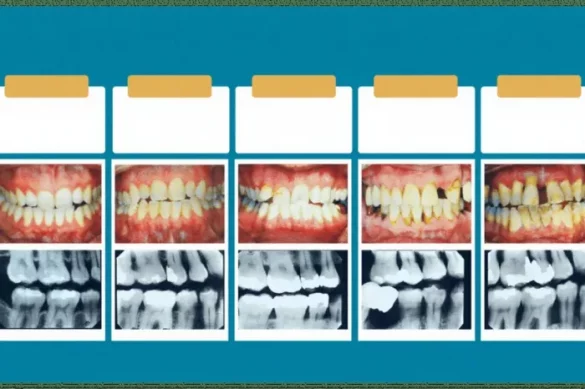
Many people experience headaches and may not immediately connect them to their oral health. Gingivitis, a common gum disease, is often overlooked as a possible source of discomfort beyond the mouth. Recent research and clinical observation have begun to shine a light on the potential relationship between gingivitis and headaches, showing that our oral health may play a more significant role in overall wellness than previously thought.
What Is Gingivitis?
Gingivitis is the earliest stage of gum disease, formally known as periodontal disease. It occurs when the gums become inflamed due to a buildup of bacterial plaque along the gumline. This infection is common and affects millions of people. Its hallmark signs include red, swollen gums, bleeding when brushing or flossing, and sometimes bad breath. Left untreated, gingivitis can progress to periodontitis, which may cause permanent damage to the tissues and bones supporting the teeth.
Causes and Symptoms of Gingivitis
The primary cause of gingivitis is plaque—a sticky film of bacteria that forms on teeth. If plaque is not removed by regular brushing and flossing, it can harden into tartar, which further irritates the gums. Initial symptoms are often mild, such as:
- Red or puffy gums
- Bleeding during brushing or flossing
- Tenderness around the gumline
- Persistent bad breath
These symptoms may seem minor but can be the start of more serious oral health problems if left unaddressed.
Understanding Headaches: Types and Common Causes
A headache can range from a mild discomfort to severe pain. Headaches are caused by many factors, including stress, dehydration, poor posture, underlying medical conditions, and infections. The most frequent types of headaches are tension headaches and migraines. While many people look for causes in stress, sleep, or diet, an often-overlooked contributor is oral health—especially conditions like gingivitis.
Can Gingivitis Cause Headaches?
Researchers and dental professionals have started to document a possible link between gum disease and headaches. The theory is that infection in the gums triggers an inflammatory response in the body. This inflammation releases chemicals that travel through the bloodstream and may affect blood vessels and nerves in the head and neck. As a result, headaches may occur.
In addition, gingivitis can contribute to jaw pain and tension. Inflammation in the gums may affect the temporomandibular joint (TMJ), leading to discomfort and tightness. This tension can radiate upwards and manifest as headaches, especially tension headaches.
Biological Mechanisms Linking Gingivitis and Headaches
Inflammation is a key player in both gingivitis and headaches. When bacteria infect the gums, the body responds by sending immune cells to fight the infection, releasing inflammatory substances. These chemicals can spread and affect other areas, including:
- The blood vessels in the head
- Nerves surrounding the jaw and face
Some studies suggest that this chronic inflammation could increase the risk of both tension headaches and migraines. Although research is ongoing, the presence of oral inflammation may well contribute to headaches for some individuals.
Bruxism and Jaw Tension: An Overlooked Factor
Another way gingivitis can lead to headaches is through bruxism, or teeth grinding. Pain or discomfort in the gums may trigger unconscious clenching or grinding, often during sleep. This puts strain on the jaw muscles, leading to tension headaches. Addressing gingivitis may help reduce these behaviors and their associated symptoms.
Types of Headaches Associated With Gingivitis
While the exact relationship needs further research, certain headache types are more commonly linked to gingivitis and other oral health problems:
Tension Headaches
These are the most common type of headache and may be triggered by jaw muscle tension caused by gum inflammation or bruxism.
Migraines
Some studies have hinted at an association between chronic gum inflammation and migraines. While not every migraine sufferer will have gum disease, people with persistent oral inflammation may notice an increase in migraine episodes.
Jaw-Related Headaches
Inflamed gums can lead to jaw pain, and pain from the jaw can radiate up to the temples and behind the eyes, causing headaches.
Preventive Strategies: Protecting Your Oral and Overall Health
Maintaining good oral hygiene is essential not only for healthy teeth and gums but also for reducing headache risk. Here’s what you can do:
Effective Oral Care
Brush your teeth at least twice a day with fluoride toothpaste. Floss daily to remove plaque from areas your toothbrush cannot reach. Rinse with an antibacterial mouthwash if recommended by your dentist. These habits can help prevent gingivitis and lower the risk of related health issues.
Regular Dental Check-Ups
Visit your dentist at least twice a year for professional cleanings and exams. Dental professionals can spot early signs of gum disease, jaw problems, or bruxism and suggest suitable treatments. Early intervention is key to preventing progression to periodontitis and avoiding headache complications.
Stress Management
Stress is a major factor in headaches and can also affect oral health. Techniques such as deep breathing, meditation, or gentle exercise can help manage stress, reducing the frequency of both headaches and oral health issues.
Mouthguards for Bruxism
If you grind your teeth, ask your dentist about custom mouthguards. These devices protect teeth and reduce jaw tension that can lead to headaches.
When to See a Dentist or Doctor
If you have frequent headaches along with swollen, bleeding gums, do not ignore these symptoms. Consult your dentist for a thorough gum health assessment. If headaches persist even after dental treatment, a physician can help rule out other causes.
Conclusion
In summary, gingivitis can potentially play a role in causing headaches through inflammation and jaw tension. The link is supported by preliminary research, clinical observation, and an understanding of how oral health affects overall wellness. Good oral hygiene, regular dental visits, and proper stress management are crucial in lowering the risk of both gingivitis and headaches. If you are experiencing unexplained headaches and have symptoms of gum disease, professional dental care can provide clarity and relief.
FAQs
Can untreated gingivitis lead to more serious health problems?
Untreated gingivitis can progress to periodontitis, increasing the risk of tooth loss and may contribute to other health conditions, including heart disease and diabetes.
Can gingivitis cause jaw pain along with headaches?
Yes, gum inflammation may affect the jaw joint, causing pain and sometimes headaches in combination.
Are home remedies effective for gingivitis-related headaches?
Home remedies may offer temporary relief, but professional dental care is necessary for diagnosis and treatment of gingivitis and its complications.
How quickly can treating gingivitis help with headaches?
Once gingivitis is treated, related symptoms often improve within days to weeks, though results vary by individual.
What is the best way to prevent headaches associated with gingivitis?
Practice good oral hygiene, attend regular dental check-ups, manage stress, and seek treatment for jaw tension or bruxism.