


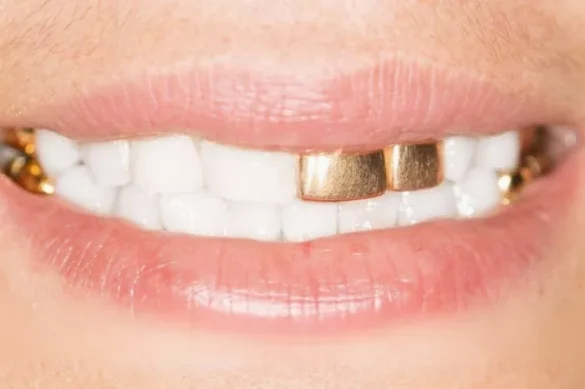
Gold teeth implants are a durable, stylish dental restoration combining the strength and reliability of modern implants with the unmistakable appeal of gold. Whether chosen for their longevity, resilience, or personal aesthetic, gold dental implants stand out as a premium solution for replacing missing teeth. Understanding the cost and process involved in achieving a gold tooth implant is key if you’re considering this unique dental upgrade.
What Are Gold Teeth Implants?
Gold teeth implants consist of two main components: a titanium or gold-alloy implant post placed in the jawbone, serving as an artificial root, and a custom-made gold crown that acts as the visible tooth. While the implant post is usually titanium because of its compatibility with body tissues, the tooth portion—the crown—can be crafted from solid gold or a high-quality gold alloy. Gold is renowned for its durability, resistance to corrosion, and gentleness on surrounding teeth.
How Much Does It Cost to Get Gold Teeth Implants?
Typical Price Ranges
The cost of a single gold tooth implant generally falls between $800 and $2,500. This price can vary widely based on several factors, such as the quality and purity of the gold, the complexity of the procedure, and the region or dental practice you choose. If multiple teeth are being replaced with gold crowns, the total becomes much higher—often running several thousand dollars or more. Full-mouth gold restorations can reach $20,000 to $60,000 and above.
Factors Affecting Cost
1. Gold Purity and Alloy Composition
Gold crowns are usually made from gold alloys—10K, 14K, or 18K—mixed with metals like palladium or copper to increase strength and reduce costs. Higher karat gold means more gold content and a higher price.
2. Number and Location of Teeth
Replacing a single tooth is much less expensive than replacing multiple teeth or an entire arch. Back teeth, which require strength for chewing, may need heavier gold alloy crowns. Front teeth often require more detailed craftsmanship for a natural appearance, which can add to the cost.
3. Preparatory Work
Additional dental work such as extractions, bone grafts, or periodontal treatment can increase total expenses. If you need a root canal or bone enhancement before implant placement, expect higher costs.
4. Local Pricing Variations
Pricing varies depending on your region. Urban clinics often charge more due to higher operating costs and demand. Local lab fees and dentist experience also impact the final bill.
5. Dentist Expertise and Technology
Experienced dentists using advanced imaging techniques, digital scanning, and high-end labs may charge premium fees. Their expertise helps achieve optimal results and long-lasting implants which could reduce future repair and replacement costs.
Gold Tooth Implant Procedure Overview
Step 1: Initial Consultation
Meet your dentist for a thorough examination. They assess gum health, jawbone density, and tooth placement. Advanced imaging tools such as X-rays or 3D scans are commonly used for accurate planning.
Step 2: Personalized Treatment Plan
The dentist creates a tailored plan addressing your functional and aesthetic preferences. Your plan will detail material choices, steps, and costs.
Step 3: Pre-Surgical Preparation
You may need to address existing dental concerns first—such as treating gum disease or tooth decay—to provide a healthy foundation.
Step 4: Implant Placement Surgery
During surgery, the implant post is inserted into your jawbone under local anesthesia. In some cases, sedation options are available.
Step 5: Healing and Osseointegration
After placement, the jawbone gradually fuses to the implant post in a process called osseointegration. This often takes several months and ensures a stable base.
Step 6: Gold Crown Fabrication
Once the implant is stable, a custom gold crown—crafted to match the shape and size of your natural tooth—is created. The gold crown adds strength, longevity, and unique style to your smile.
Step 7: Crown Attachment
After the healing period, your gold crown is attached to the implant post via an abutment. The dentist fine-tunes the fit and checks for optimal bite alignment.
Step 8: Final Adjustments
Minor adjustments may be made to ensure comfort, fit, and aesthetic appeal. Routine follow-ups help maintain functionality and appearance.
Gold vs. Other Restorative Options
Porcelain and zirconia crowns are popular alternatives. Porcelain replicates natural tooth color, making it suitable for front teeth and those who prefer a subtle look. Zirconia offers strength and durability but may wear opposing teeth differently from gold. Titanium implants are used for their reliability, while ceramic/zirconia options provide metal-free solutions. Gold crowns, however, are highly durable, resist wear, and are less likely to fracture or corrode.
Pros and Cons of Gold Tooth Implants
Pros
- Exceptional durability—less likely to need future repairs.
- Biocompatibility, causing fewer allergic reactions.
- Gentle on opposing teeth, suitable for people with heavy bites.
- Unique appearance that stands out.
- Minimal gum irritation and plaque accumulation.
Cons
- Higher initial cost compared to porcelain or ceramic crowns.
- Distinct gold look may not appeal to everyone.
- Rarely, metal allergies may occur; a dental exam will determine suitability.
Longevity and Maintenance
Gold dental crowns can last decades if properly cared for. Their resistance to corrosion and wear means fewer replacements and repairs over time. Good oral hygiene and regular dental checkups help keep your gold implants in top condition. Avoiding excessive biting force and hard objects reduces damage.
Insurance, Financing, and Reducing Costs
Dental insurance often covers part of the implant and crown cost, but high-end choices like gold are not always fully covered. Many practices offer payment plans, dental financing, and accept health savings accounts (HSA and FSA). For those exploring gold teeth in a specific region, ask local clinics about available financing and transparent pricing before deciding.
Who Is a Good Candidate for Gold Teeth Implants?
Gold teeth implants are ideal for those with strong bite forces, existing failing restorations, or seeking a distinct and durable solution for back teeth. Individuals with high cosmetic needs may prefer porcelain or ceramic crowns. Always consult a dental professional first to evaluate your oral health and discuss material suitability.
Conclusion
Gold dental implants offer a unique combination of luxury, durability, and reliability. The upfront cost is higher than traditional options, but many patients find the long lifespan and minimal maintenance compelling. Several factors influence price, including gold purity, number of teeth, dentist expertise, and regional differences. Always start with a dental evaluation to create a treatment plan that meets your aesthetic goals and budget. With proper care and planning, gold teeth implants can be a long-lasting investment in your smile.
Frequently Asked Questions
Do dental insurance plans cover gold implants?
Dental insurance may cover part of standard crown and implant costs, but gold upgrades often involve higher patient costs. Check with your provider for details.
How long do gold dental implants last?
With regular care, gold crowns and implants can last decades, often outlasting other restorative materials.
Are gold implants better than porcelain or ceramic?
Gold implants last longer and are gentler on opposing teeth but are more costly and have a distinct visual appeal.
Can anyone get gold teeth implants?
A dental exam will determine suitability. They are best for people valuing durability or a unique look, but alternatives may be better for those with metal allergies or front tooth cosmetic preferences.