


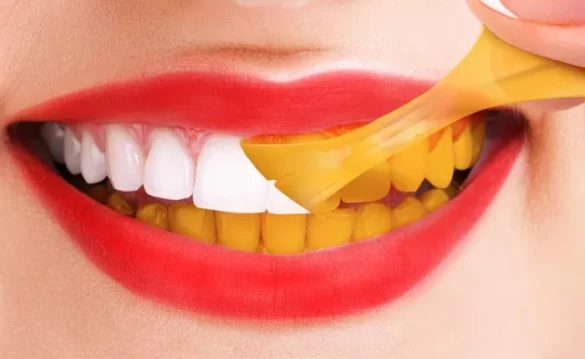
Many parents notice that their child’s teeth are not bright white. For a 7-year-old, yellow teeth can be normal or indicate other factors. Baby teeth and permanent teeth differ in color. Primary teeth are naturally whiter. Permanent teeth may appear more yellow as they grow. The dentin, which lies under the enamel, is naturally yellow. Thin enamel can make the dentin more visible. Each child’s teeth are unique. Genetics play a role in natural tooth color. Some children have naturally darker or yellower teeth without any disease.
Role of Enamel Thickness
Enamel protects teeth from decay. In children, enamel is thinner than in adults. Thin enamel can make teeth look yellow.
Permanent teeth start to appear around age six or seven. These teeth may be slightly darker than baby teeth. Teeth enamel develops fully over time. Diet, minerals, and fluoride affect enamel thickness. Thinner enamel allows dentin color to show through. This is a common reason for yellow teeth in 7-year-olds.
Diet and Staining
Food and drinks influence tooth color. Colored foods like carrots, pasta sauce, and certain fruits can leave stains. Drinks like juice and chocolate milk also affect teeth. Sugary foods can cause plaque buildup, which looks yellow. Acidic foods can wear enamel, exposing dentin. Parents should monitor their child’s diet. Brushing after meals reduces staining. Limiting sugary and acidic foods can improve tooth color.
Poor Oral Hygiene
Yellow teeth often indicate plaque accumulation. Plaque is a sticky film of bacteria. If not removed, it hardens into tartar.
Tartar is naturally yellow or brown. Children at age seven may not brush effectively. Proper brushing twice a day is essential.
Supervision by parents ensures thorough cleaning. Flossing helps remove food between teeth. Regular professional cleanings can prevent yellowing.
Fluorosis and Overexposure
Fluoride strengthens enamel but too much can cause discoloration. Dental fluorosis occurs when children ingest excessive fluoride during enamel formation. Teeth may develop white spots or yellow-brown stains. Fluorosis is more visible on permanent teeth. Drinking water, toothpaste, and supplements contribute to fluoride intake. Parents should supervise toothpaste use. Only a pea-sized amount is recommended for children under seven.
Medication and Health Factors
Some medications can affect tooth color. Antibiotics like tetracycline are known to cause staining if used during tooth development. Medical conditions affecting enamel can also cause discoloration. Certain vitamins or supplements may contribute to yellowing. It is important to discuss any medications with a dentist. Early intervention can prevent worsening discoloration.
Genetic Factors in Tooth Color
Genetics strongly influence tooth shade. Some children inherit naturally yellower dentin. Enamel may be thinner due to genetic traits. Family history can predict tooth color tendencies. This type of yellowing is normal and not harmful. A dentist can confirm if discoloration is purely genetic or related to other issues.
Decay and Dental Health Issues
Yellow or brown spots can signal tooth decay. Decay occurs when bacteria erode enamel. Cavities often appear as dark or yellowish areas. Children may not notice pain initially. Early detection is essential to prevent more serious problems.
Regular dental check-ups can catch decay before it spreads. Maintaining oral hygiene reduces risk of yellowing caused by decay.
Teeth Trauma or Injury
An injury to a tooth can change its color. Trauma can damage the pulp, which may turn the tooth yellow or gray. Even minor falls can affect developing permanent teeth. If a child’s tooth changes color suddenly, consult a dentist. Early treatment can restore tooth health and prevent long-term discoloration.
Professional Dental Cleaning and Whitening
Professional cleaning removes plaque and tartar that at-home brushing cannot. Dentists use special tools to polish teeth.
For children, whitening treatments are used cautiously. Only mild, child-safe whitening products are recommended.
Whitening should be guided by a dental professional. Over-the-counter products may damage young enamel. Focus on prevention and maintenance rather than aggressive whitening.
Daily Care Tips to Reduce Yellowing
Parents can help children maintain whiter teeth with consistent habits:
- Brush teeth twice a day with fluoride toothpaste.
- Floss daily to remove food particles between teeth.
- Limit sugary and acidic foods and drinks.
- Encourage drinking water after meals.
- Schedule regular dental check-ups every six months.
Conclusion
Yellow teeth in a 7-year-old are often normal. Factors include enamel thickness, diet, hygiene, genetics, medications, and fluoride exposure. Most yellowing is not harmful but should be monitored. Consistent brushing, flossing, and regular dental visits help maintain healthy teeth. If discoloration appears sudden, uneven, or includes dark spots, a dental consultation is necessary. Parents play a key role in guiding children to good oral care. With proper habits and professional guidance, yellow teeth can be managed and prevented from worsening.