


The festive season is full of indulgence — mince pies, mulled wine, prosecco, chocolates, and all the sweet treats we look forward to all year. But while your taste buds may love Christmas, your teeth and enamel might not feel quite the same way.
Every year at Denpure Dental Practice in Uxbridge, we notice a rise in patients experiencing tooth sensitivity, sharp pains when drinking cold or hot drinks, and discomfort while eating festive favourites. Sensitivity isn’t just annoying — it’s often the first warning sign that your enamel is under stress, softening, or beginning to erode.
So why does this happen, and how do you know when it’s time to seek professional help?
Let’s explore the causes, the consequences, and the steps you can take to protect your smile both during and after the holidays.
Why Sensitivity Increases Over Christmas
The Christmas diet is famously tough on enamel. Many festive foods and drinks are high in sugar, acidic, or both — a combination that can cause enamel to dissolve or soften.
The most common holiday culprits include:
- Sweets and selection boxes — prolonged sugar exposure feeds bacteria that produce enamel-eroding acids.
- Prosecco, champagne, and sparkling wine — highly acidic and often sugary.
- Red wine — acidic, drying, and staining.
- Citrus cocktails and mulled wine — acidity + heat + sugar is a harsh mix.
- Crisps, biscuits, and crackers — starchy foods turn into sugar and cling to the teeth.
- Frequent snacking — meaning your mouth never gets a break from acid attacks.
Each of these triggers contributes to enamel softening, leaving the teeth more exposed and sensitive.
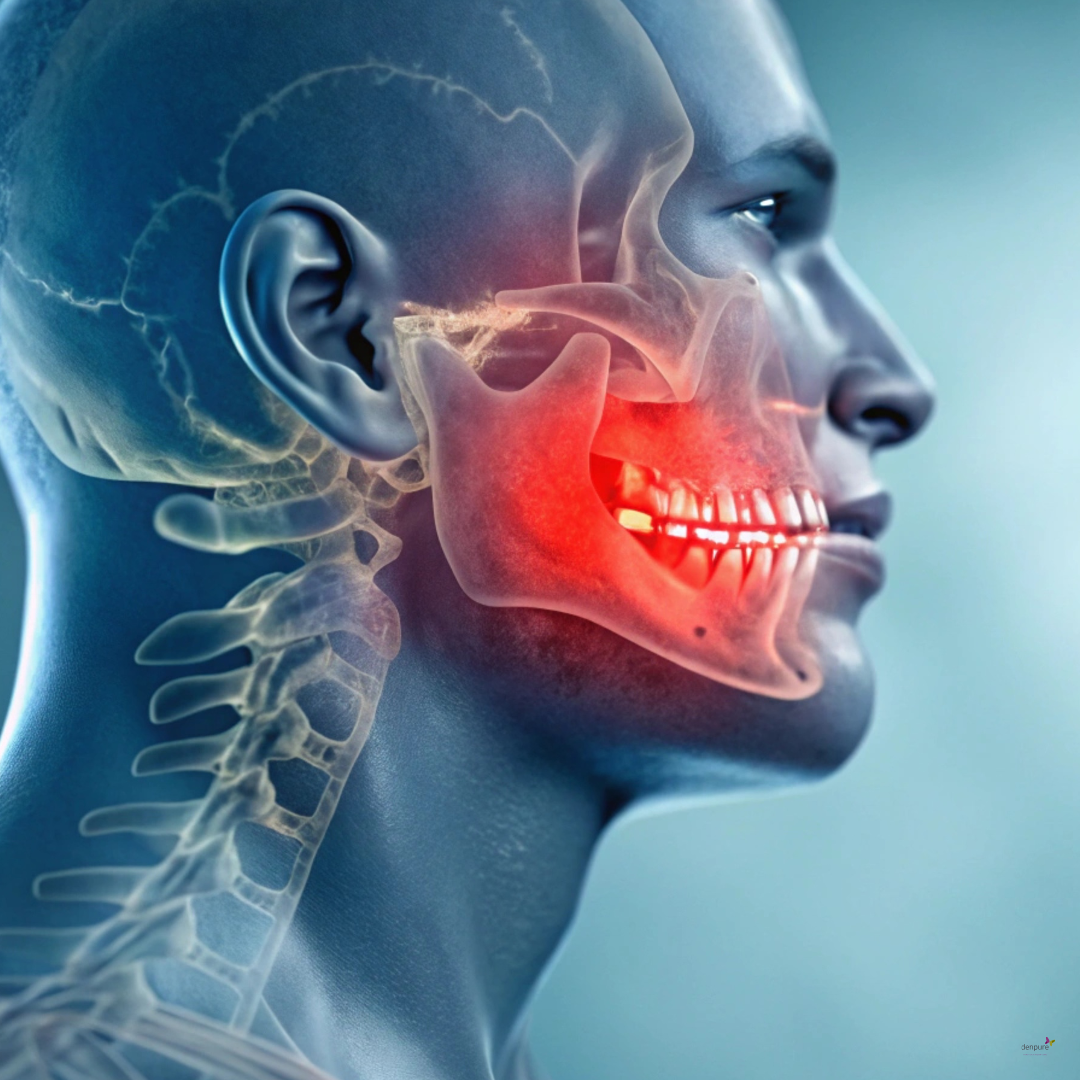
How Enamel Erosion Happens (and Why It Matters)
Enamel is the hardest material in the human body — but it cannot regenerate. Once it’s gone, it’s gone.
The trajectory of enamel erosion typically looks like this:
- Acid Exposure
Foods and drinks high in sugar or acidity cause plaque bacteria to release acids. Alcohol also dries the mouth, reducing protective saliva.
- Enamel Softening
Acid lowers the pH in the mouth, temporarily softening the enamel by dissolving minerals like calcium and phosphate.
- Surface Wear
If you brush immediately after acidic drinks or grind your teeth at night, the softened enamel wears away faster.
- Enamel Loss
Over time, repeated acid attacks thin the enamel. This is when sensitivity becomes noticeable — especially to cold, hot, or sweet foods.
- Dentin Exposure
Below the enamel lies dentin, which contains thousands of microscopic tubules leading straight to the nerve of the tooth. When exposed, even mild stimuli can cause sharp discomfort.
- Long-Term Consequences
If erosion continues, it can lead to:
- Persistent sensitivity
- Increased cavity risk
- Cracks and chips
- Yellowing (as dentin shows through)
- Poor aesthetic appearance
- Weakened teeth
- Potential need for fillings, bonding, or crowns
Christmas habits accelerate this process — particularly when snacking is continuous and brushing routines become more relaxed.
When It’s Time to See a Dentist About Tooth Sensitivity
Occasional mild sensitivity after a very cold drink or an acidic meal can be normal. But certain signs indicate your enamel may be compromised and needs professional attention.
You should book an appointment with Denpure if:
- Your sensitivity is getting worse or more frequent
- You experience pain when brushing or flossing
- Hot drinks trigger discomfort
- Biting pressure feels sharp or uncomfortable
- You notice visible enamel thinning or yellowing
- Your gums are receding (exposing dentin)
- You’ve had multiple acid-heavy days or nights out
- Your sensitivity is waking you up or limiting your eating
Sensitivity is never something to ignore. Early intervention can prevent deeper problems like decay, cracks, infections, or nerve involvement.
How to Protect Your Enamel During Christmas
Here are steps you can take to reduce damage while still enjoying the holidays:
- Drink water between alcoholic drinks to neutralise acids.
- Use a straw for fizzy or acidic beverages to reduce enamel contact.
- Avoid brushing for 45 minutes after wine, cocktails, or citrus foods — brushing softened enamel speeds up erosion.
- Chew sugar-free gum to stimulate saliva.
- Limit snacking frequency — grazing keeps the mouth in constant acid mode.
- Use fluoride toothpaste to strengthen enamel.
- Rinse with water after eating sweets or acidic foods.
- Avoid crunchy or hard snacks if your teeth already feel sensitive.
These small adjustments can dramatically reduce enamel wear.
Book a Post-Christmas Hygiene Check-Up at Denpure
Even with the best intentions, most of us indulge more than usual at Christmas — and that’s okay. The important part is caring for your smile once the festivities end.
A professional hygiene appointment at Denpure allows us to:
- Remove plaque and tartar built up over the holidays
- Clear bacteria linked to sensitivity and enamel wear
- Polish away stains from red wine, tea, coffee, and festive treats
- Assess enamel erosion and gum health
- Give personalised advice on protecting sensitivity
- Recommend fluoride or enamel-strengthening treatments
Many patients book their check-up in January as a “reset” for their oral health — a brilliant way to start the new year.
Final Thoughts
Christmas is a time to enjoy yourself — but your smile deserves enjoyment too. If you’re experiencing persistent sensitivity or worry that your enamel has taken a hit from festive foods and drinks, Denpure Dental Practice in Uxbridge is here to help.
A post-holiday hygiene visit can help catch issues early, protect enamel, and restore comfort — so you can smile confidently into the year ahead. Get in touch to book in for a peace-of-mind and body check-up with our lovely team here at Denpure.