


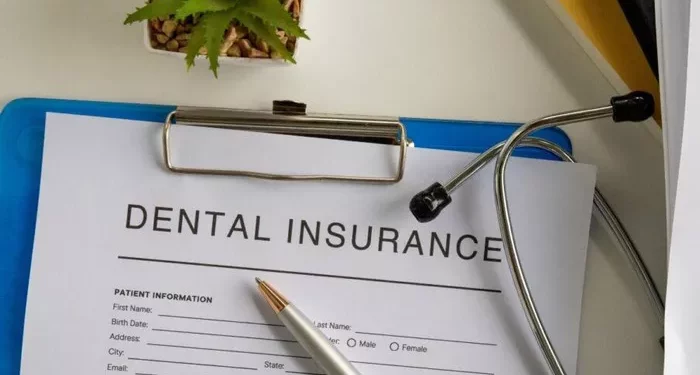
Russell Anthony, a 65-year-old retiree, made eight trips to the dentist last year and anticipates spending even more in 2026, despite having dental insurance.
“I had a root canal just last week that was about $500,” Anthony said. “The week before, I had a crown that cost several hundred dollars. And right now, I have a broken tooth I need to get fixed soon.”
Anthony, who is the uncle of HealthQ host Cara Anthony, expects to pay roughly $2,000 for dental care this year, highlighting the gap between insurance coverage and actual costs.
“Trying to weigh the cost of dental care against other financial needs is very important,” he said.
Data from the American Dental Association shows that 77% of U.S. adults had dental insurance in 2021. Yet coverage does not always shield patients from steep bills. According to a 2023 survey by KFF, one in four adults with dental insurance cited cost as a barrier to care.
Understanding Your Coverage
Dental insurance generally covers routine care fully but only partially covers more complex procedures. Many plans follow the “100/80/50” model: 100% coverage for preventive care like cleanings and exams, 80% for basic procedures such as fillings and root canals, and 50% for major treatments.
Annual coverage limits, typically between $1,000 and $2,000, mean patients pay out-of-pocket for costs exceeding the plan maximum. For example, a $4,000 treatment under a $1,500 limit would leave the patient responsible for the remaining $2,500.
Managing High Dental Costs
Experts recommend discussing finances openly with your dentist. Many offices offer pretreatment estimates, payment plans, or discounts. Patients may also consider alternative care options, such as dental schools offering reduced-cost services or federal community health centers that adjust fees based on income.
Regular Check-Ups Can Save Money
Dr. Sarah Olim, a general dentist in Katy, Texas, emphasizes preventive care. “The best way to reduce dental costs is to attend regular visits and address problems early,” she said.
Delaying treatment can turn minor issues into costly procedures. A small cavity that might cost $200 to fill can escalate into a root canal and crown costing thousands if left untreated. Daily preventive care, such as brushing twice for two minutes each time, remains crucial.
Policy Efforts to Expand Access
Federal lawmakers have focused on improving dental coverage for children. Under the Affordable Care Act, dental care is considered an essential benefit for individuals under 18. Medicaid programs also mandate dental coverage for children, aiming to improve early access to care and prevent expensive treatments later in life.
Tags: dental caretooth