

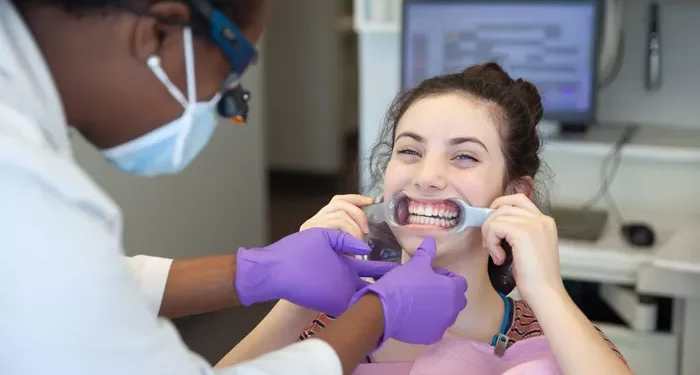
Janine Manning, a member of the Chippewas of Nawash Unceded First Nation in southern Ontario, recently faced unexpected costs for a root canal procedure. Although a common dental treatment, her dentist referred her to a specialist due to the complexity of the tooth injury.
Using the federal Non-Insured Health Benefits (NIHB) program, which covers dental care, vision, prescriptions, and medical supplies for First Nations and Inuit, Manning expected coverage. Instead, she was told the program would cover only $159 of the nearly $2,200 procedure. Private insurance covered about $1,400, leaving her to pay nearly $600 out of pocket.
Undo
“It just seems like such a frustrating system that is really not supportive of Indigenous folks who are just simply trying to access dental services,” Manning said. She filed an appeal with NIHB but was denied after waiting more than eight weeks.
Undo
The NIHB program is intended as a payer of last resort, meaning clients must first use provincial or private insurance. But dentists and program users say the system is outdated and cumbersome. Administrative requirements discourage dentists from participating, creating access challenges for clients who cannot pay upfront.
Undo
According to the NIHB 2023–2024 annual review, roughly 344,898 clients used dental benefits, which represented the program’s third-largest expenditure at over $379 million. However, access barriers remain the top complaint. Caroline Lidstone-Jones, CEO of the Indigenous Primary Healthcare Council, said delays, partial approvals, and providers refusing NIHB patients often turn treatable dental issues into preventable tooth loss.
Lidstone-Jones herself faced difficulties getting a root canal approved. After six months and four rounds of paperwork, NIHB denied her request. Private insurance covered the crown, and she paid about $1,000 out of pocket.
Dr. Aaron Burry, CEO of the Canadian Dental Association, said the program has not kept pace with modern dental practices. “Many of the concepts in the NIHB program are really from the 1970s and 1980s,” he said. Predetermination procedures are lengthy and uncertain, frustrating both patients and dentists.
These issues have led many providers to opt out, limiting options for NIHB clients. David McLaren, president of the First Nations Health Managers Association, said some community members in Kebaowek First Nation must travel long distances to find a participating dentist—and NIHB may not always cover travel costs if closer providers exist.
A 2022 parliamentary report on NIHB recommended modernizing administrative processes to improve dental care for First Nations and Inuit, but the federal government has not confirmed any follow-up actions. NIHB spokesperson Eric Head said fees are reviewed annually and that provider enrollment has increased by 10% from 2021 to 2025.
First Nations and Inuit may also qualify for the new Canadian Dental Care Plan (CDCP), but NIHB must be billed first. Head said the two programs are designed to avoid overlapping coverage and to limit gaps in service.
Dentists like Dr. Scott Leckie in Winnipeg stress the need for reform. “Sometimes offices have to dedicate a full-time clerk just for NIHB paperwork,” he said. Aligning NIHB fees with provincial dental association standards and streamlining approvals would benefit patients, providers, and the government.
Dr. Burry added, “Many First Nations clients have higher care needs than the average Canadian, but the NIHB is primarily set to cost containment. That does not necessarily work for dentists or patients.”
Lidstone-Jones emphasized that red tape makes it difficult for elders and children to access preventive care, impacting quality of life, self-esteem, and mental health. “These are actual, real-life people going through this system trying to access care,” she said.