


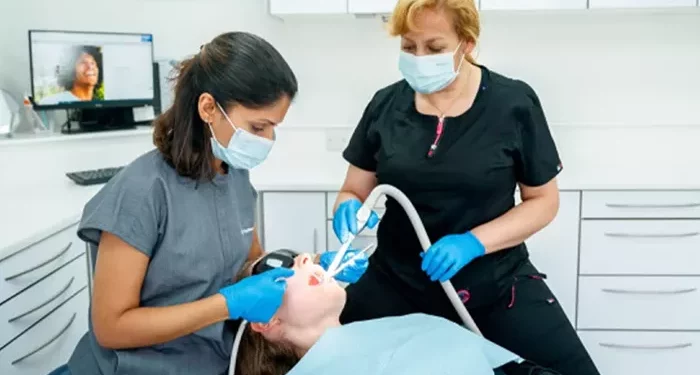
A new cross-sectional study by Su, Zhang, and Zhu underscores the growing importance of humanistic care in dental nursing, revealing how education, personal qualities, and workplace environments shape nurses’ ability to deliver empathetic, patient-centered care.
Humanistic care treats patients as whole individuals, acknowledging their emotional and psychological needs alongside clinical concerns. In dentistry—where procedures often provoke stress and fear—nurses’ ability to provide reassurance and emotional support is especially critical.
The researchers collected data from a range of hospitals and clinics, using validated tools to assess multiple dimensions of humanistic care. Their findings reveal a strong link between specialized patient-centered training and nurses’ effectiveness in delivering compassionate care.
The study suggests that nursing programs should integrate formal training in communication, empathy, and relational skills to better prepare dental nurses for real-world patient interactions.
Workplace culture also plays a decisive role. Supportive environments that recognize and encourage empathetic practice were shown to enhance nurses’ humanistic abilities. In contrast, high-pressure settings and weak administrative support significantly undermined the quality of patient engagement. The authors argue that healthcare leaders must prioritize organizational structures that protect nurses’ well-being and foster patient-centered values.
Personal qualities—including empathy, emotional resilience, and communication skills—emerged as additional key factors. The study highlights the need for ongoing professional development and self-care strategies that enable nurses to maintain emotional strength while managing demanding clinical workloads.
The findings point to broader implications for the healthcare system as it shifts toward patient-centered models. Strengthening humanistic care within dental nursing, the authors note, can improve patient satisfaction, enhance clinical outcomes, and set a higher standard for empathetic practice across medical disciplines.
By spotlighting the factors that support or hinder humanistic care, the study offers a roadmap for reforms in nursing education, workplace policy, and professional development.
As interest in emotional intelligence continues to grow within healthcare, the research marks a significant step toward embedding compassion, empathy, and human connection at the core of dental nursing practice.